
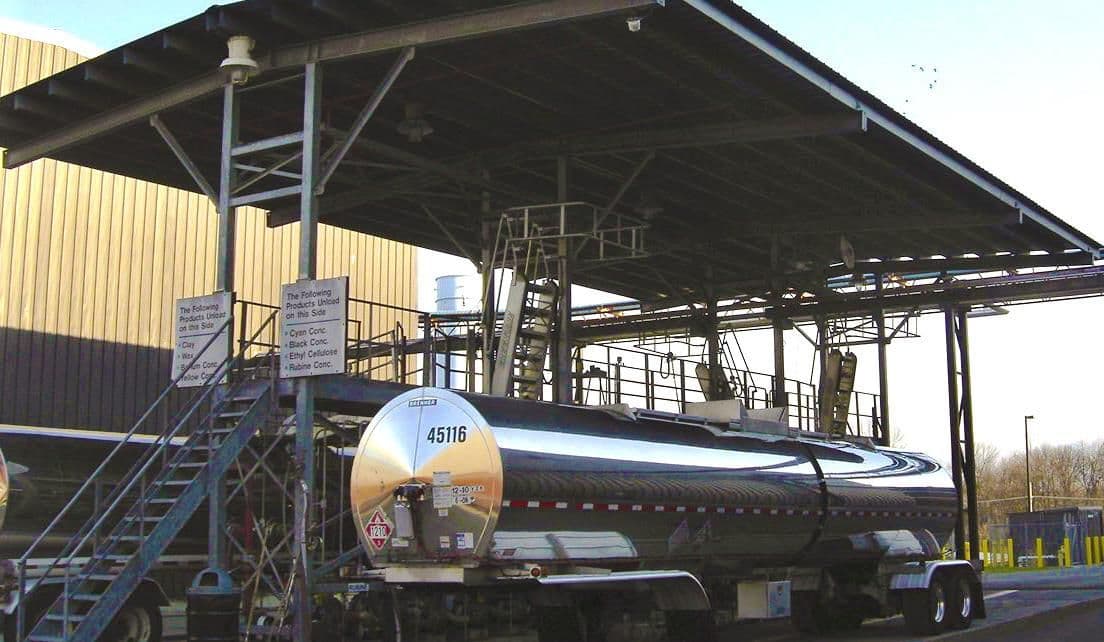
Truck & Rail Gantry
Foam and water spray over loading bays, with detection at the arms.
At a glance
- Hazard family
- Transfer & loading
- Protected by
- Foam, Water spray, Hydrant, Water curtain, Gas detection, Flame detection
- Designed to
- NFPA 16, NFPA 11, OISD‑STD‑117
- Foam-water discharge density
- 6.5 L/min/m² over the protected area
Design basis
- Foam-water discharge density
- 6.5 L/min/m² over the protected areaNFPA 16
- Foam concentrate supply
- At least 10 minutes at the design dischargeNFPA 16
Standards that apply
- NFPA 16Foam-water sprinkler and foam-water spray systems.
- NFPA 11Low-, medium- and high-expansion foam.
- OISD-STD-117Fire protection for petroleum depots and terminals.
The risk
Loading is where product is handled most: arms and hoses connect and disconnect, vehicles bring their own ignition sources, and an overfill or a failed coupling puts product on the ground under the vehicle.
A fire at a gantry spreads to the vehicle, the next bay and the gantry structure, and can close the terminal’s dispatch until it is rebuilt.
The scheme
Cover every bay from above and below, and detect at the loading point:
- Foam-water deluge over each bay, with nozzles low enough to reach under the vehicle.
- Gas detection at the loading points, and flame detection to release the deluge.
- Monitors at the ends of the gantry, and hydrants within reach of every bay.
- Water curtains where bays or neighbouring plant need separating.

Systems that apply
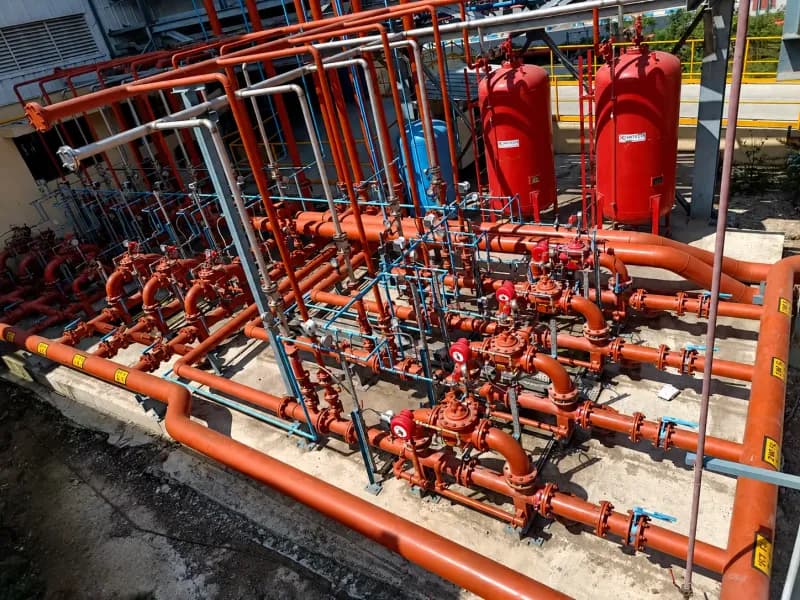 NFPA 11
Foam Based Fire Fighting System
Bladder tanks, pourers and makers for tank farms, bund areas and loading gantries.
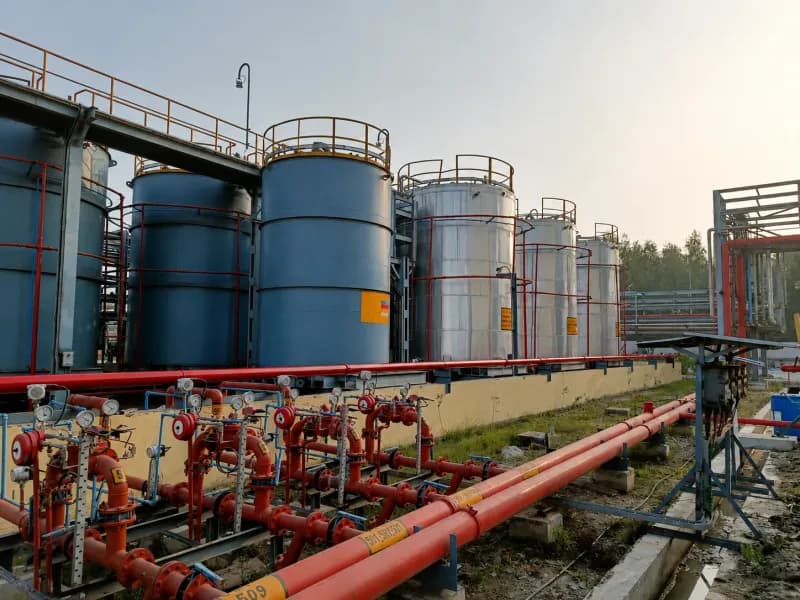 NFPA 15
Fire Water Spray System
Medium and high velocity spray for vessels, transformers and process equipment.
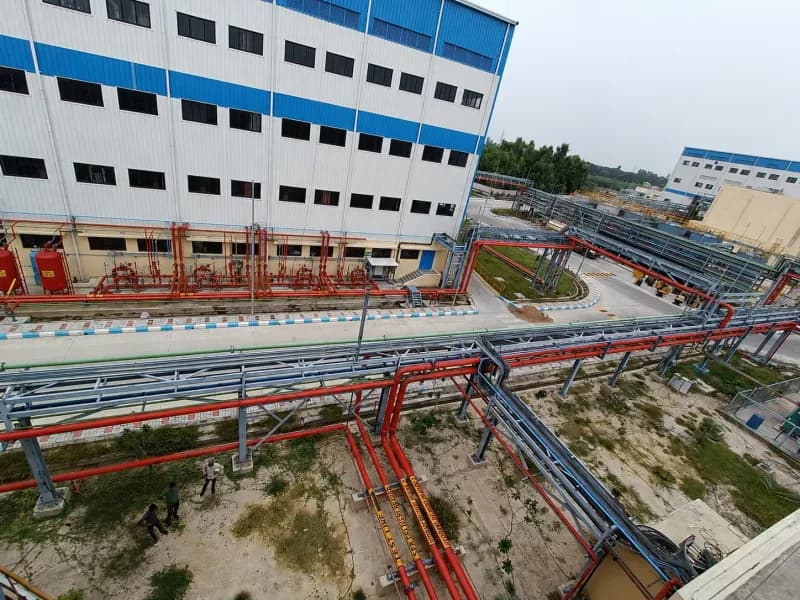 NFPA 24
Fire Hydrant System
Plant-wide ring main, hydrants, monitors and hose boxes, sized to the site.
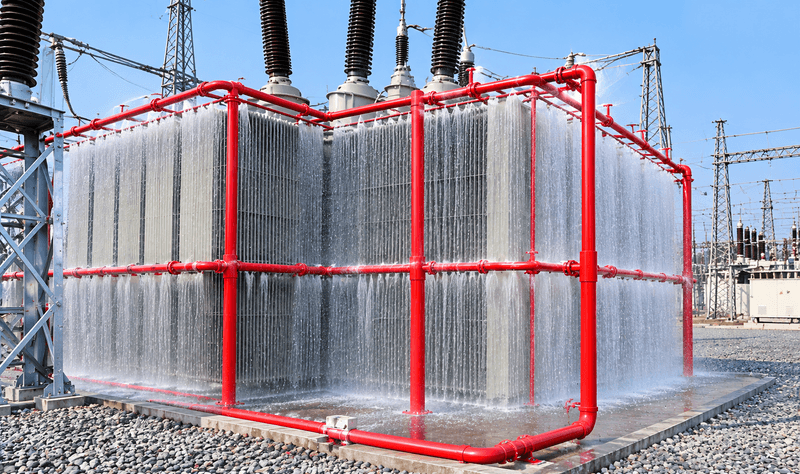 NFPA 15
Water Curtain System
Separation and exposure protection where spacing alone is not enough.
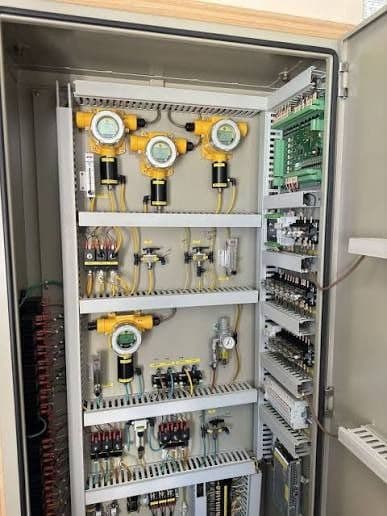 IEC 60079-29
Gas Detection System
Flammable and toxic gas detection for process areas, with alarm and shutdown.
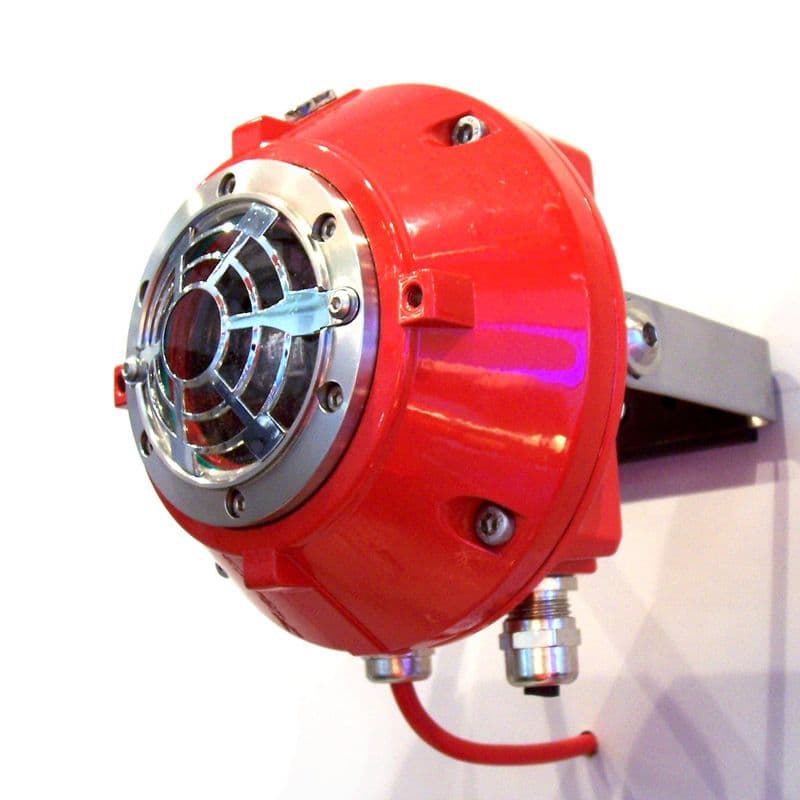 EN 54-10
Flame Detection System
Optical flame detection for open process areas, fast enough to release deluge.
Products used
Deluge Valves & Systems · 9
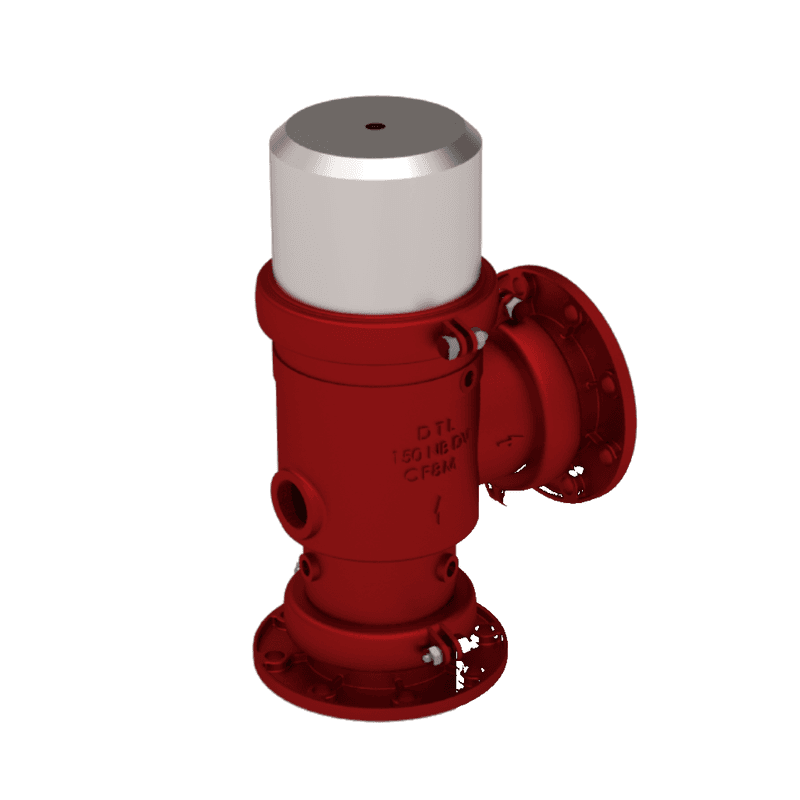

Deluge Valve Cast Carbon Steel (Model PD-CS)
Cast carbon steel, 80 to 200 mm, 250 psi
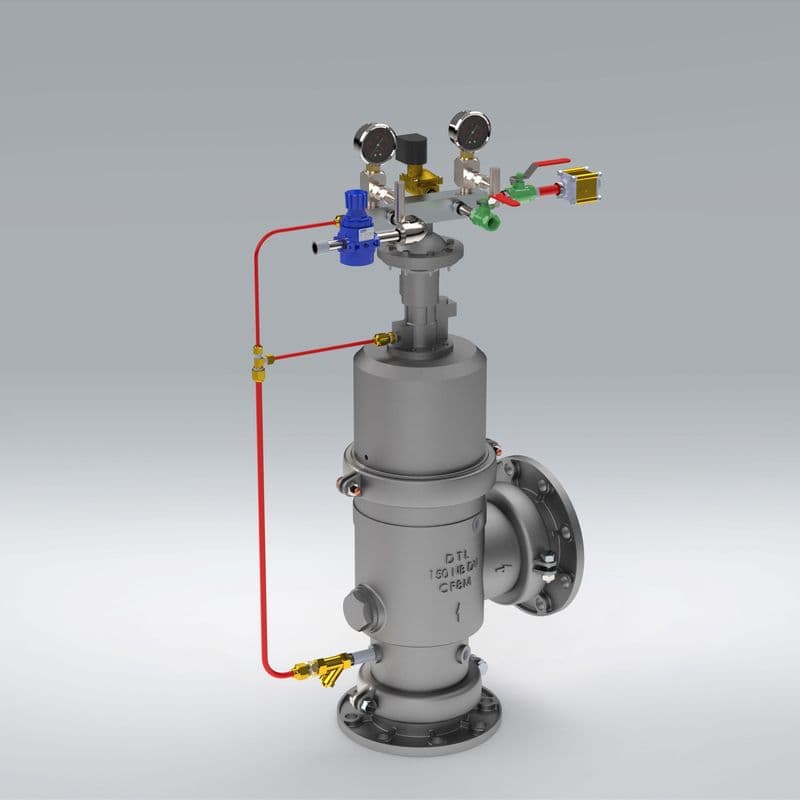
Deluge Valve Cast Stainless Steel (Model PD-SS)
Cast stainless steel, 80 to 200 mm, 250 psi
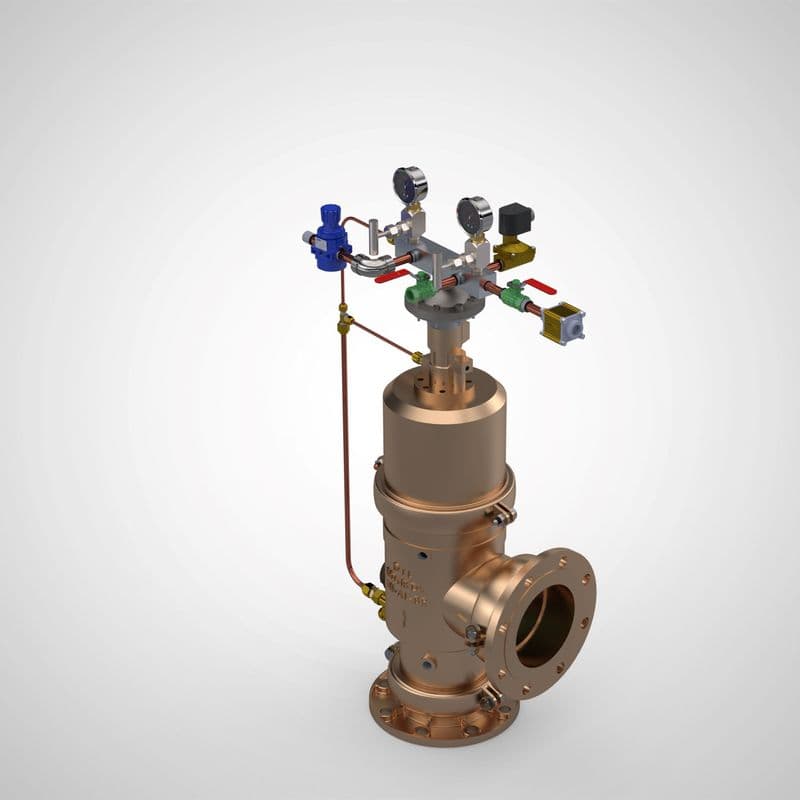
Deluge Valve Aluminium Bronze (Model PD-AB)
Aluminium bronze, 80 to 200 mm, 250 psi
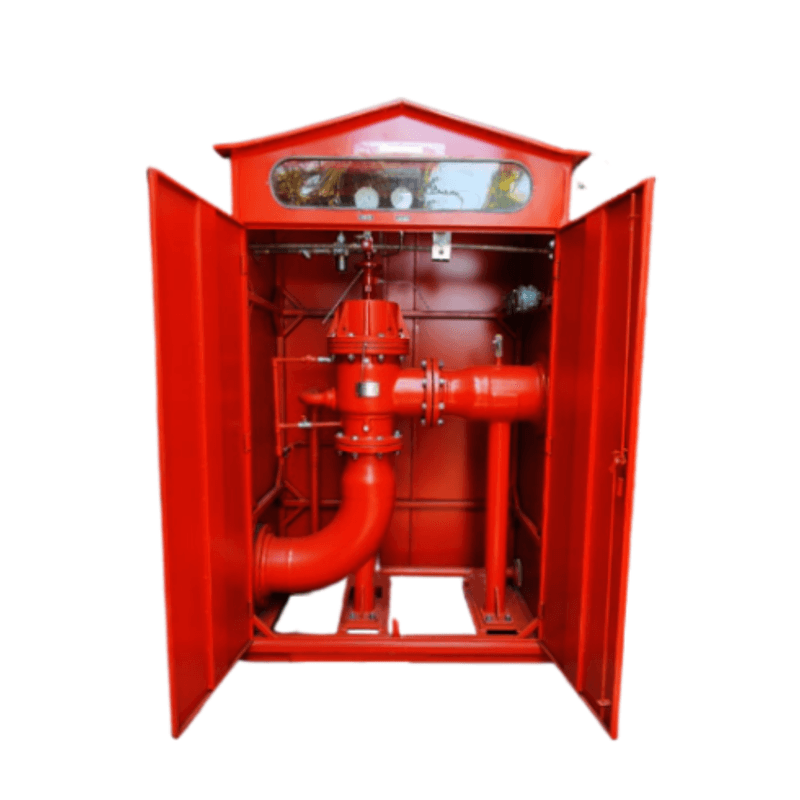
Deluge Valve Skid Cabinet
Pre-assembled and factory tested, with bypass
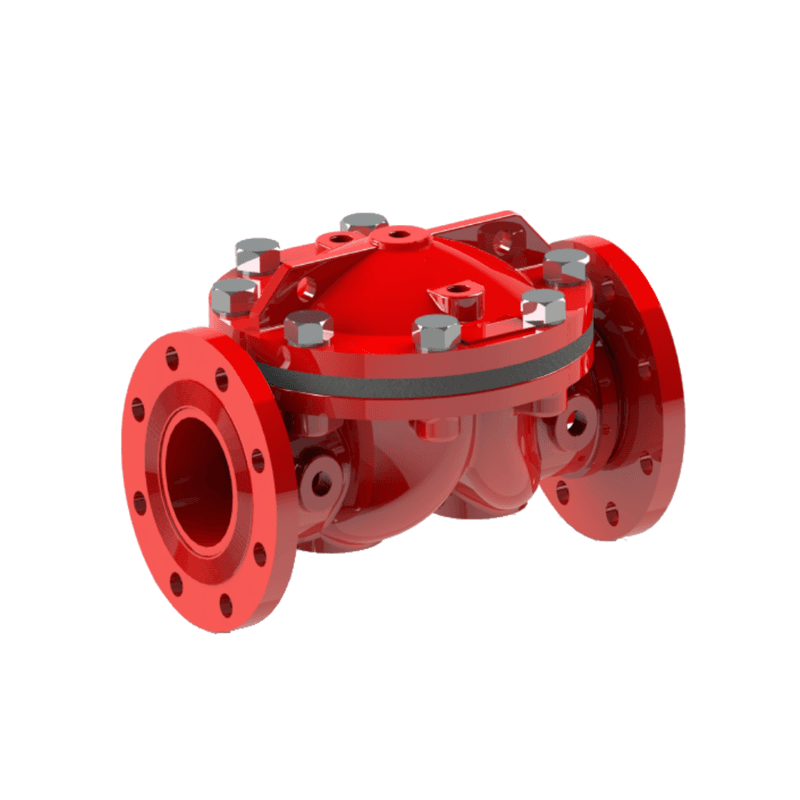
Deluge Valve Cast Carbon Steel (Model PD-ILV)
Inline globe pattern, cast carbon steel
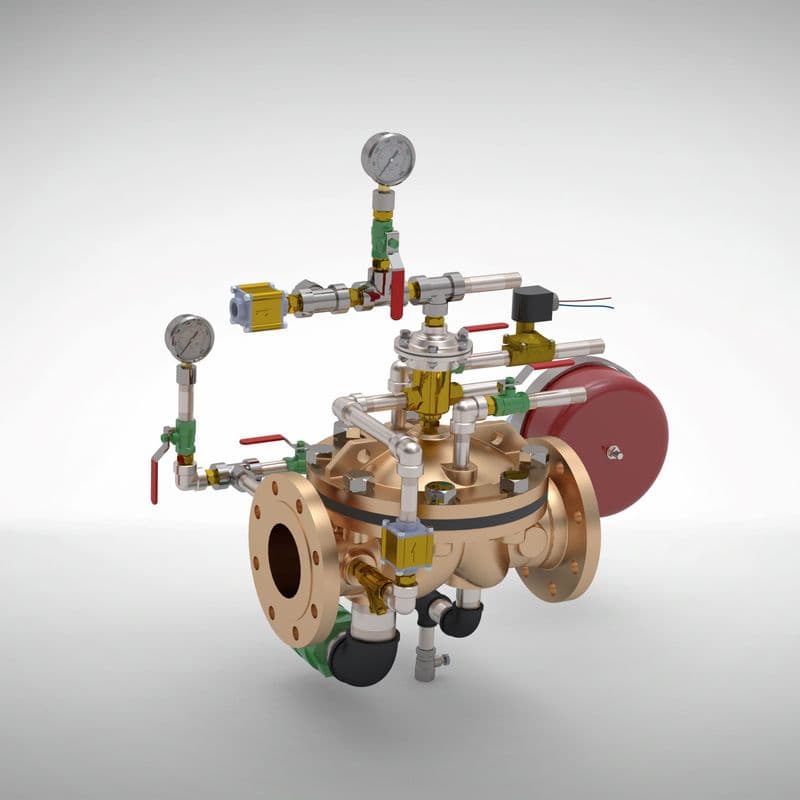
Deluge Valve Aluminium Bronze (Model PD-ILVAB)
Inline globe pattern, aluminium bronze
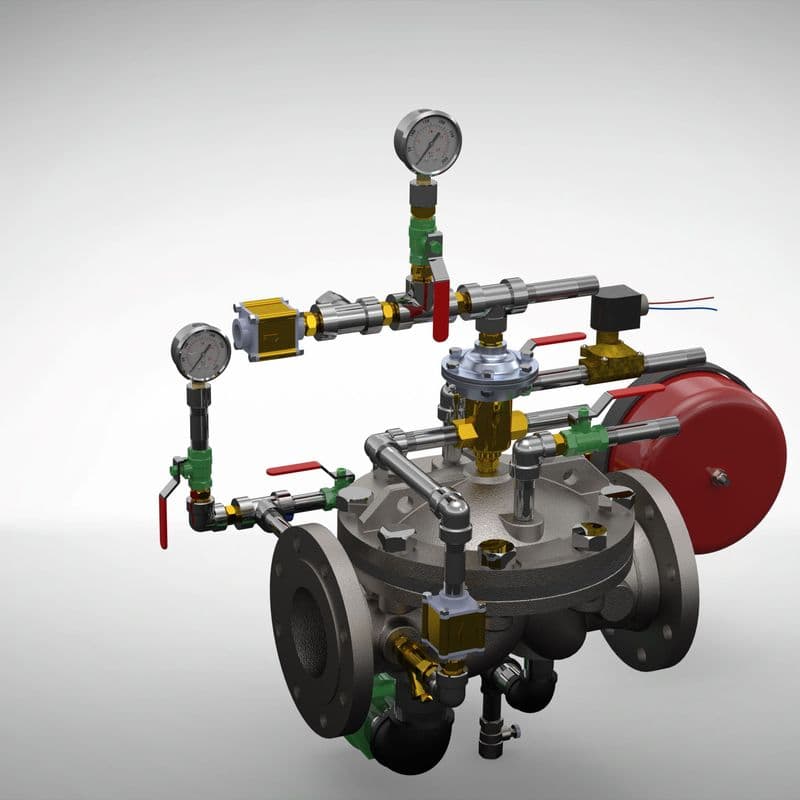
Deluge Valve Cast Stainless Steel (Model PD-ILVS)
Inline globe pattern, cast stainless steel

Deluge Valve
Dry pilot, wet pilot and electric release
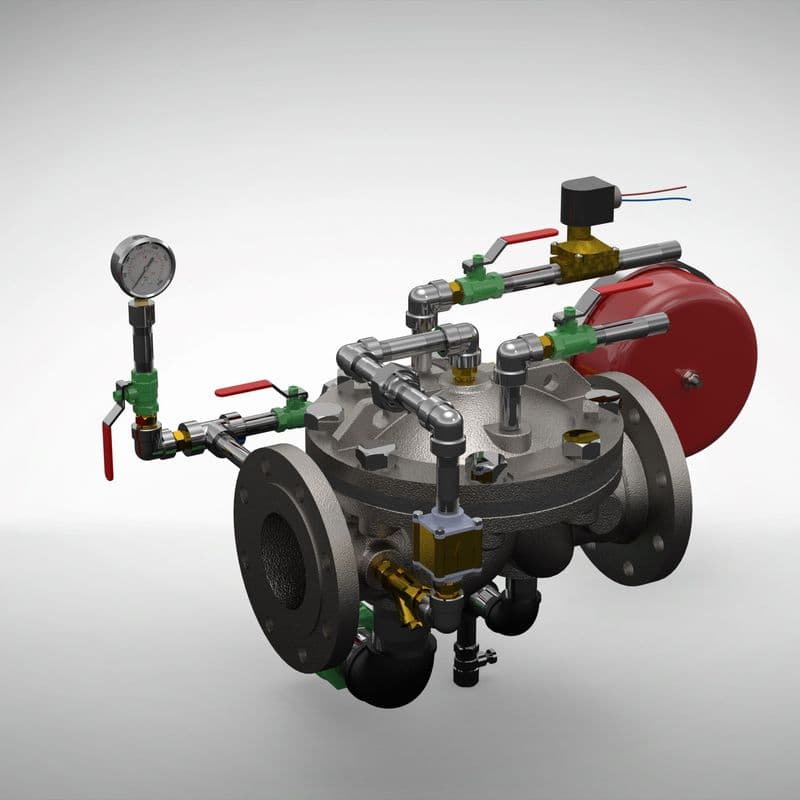
Wet Pilot Inline Deluge Assembly (Stainless Steel)
PD-ILVS with wet pilot trim, 80 to 200 mm
Foam Equipment · 11
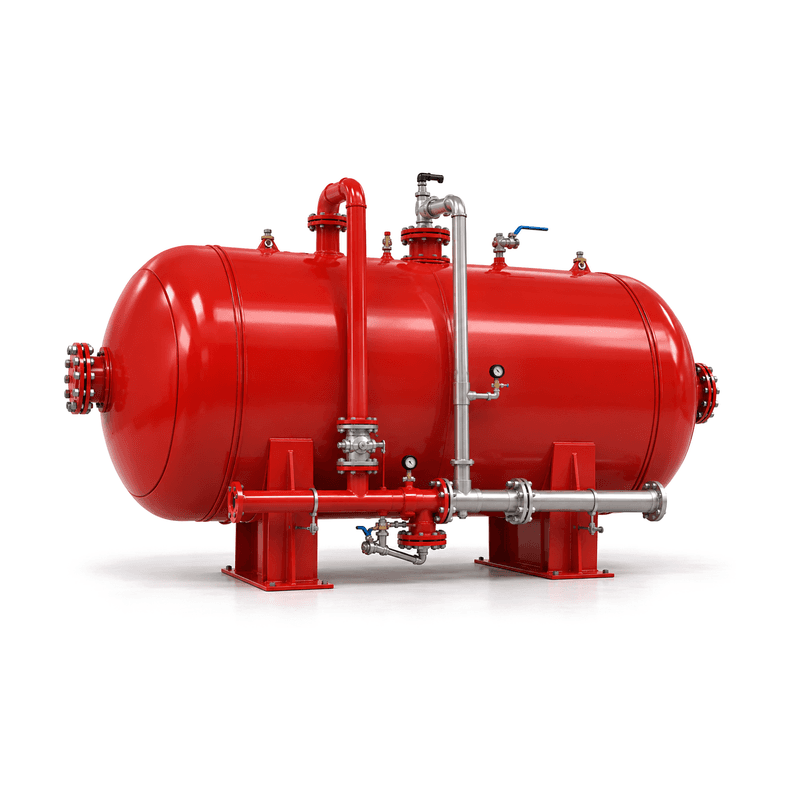
Foam Bladder Tank Horizontal with Ratio Controller
Horizontal, 1,000 to 15,000 litres

Foam Bladder Tank Vertical with Ratio Controller
Vertical, 200 to 7,500 litres
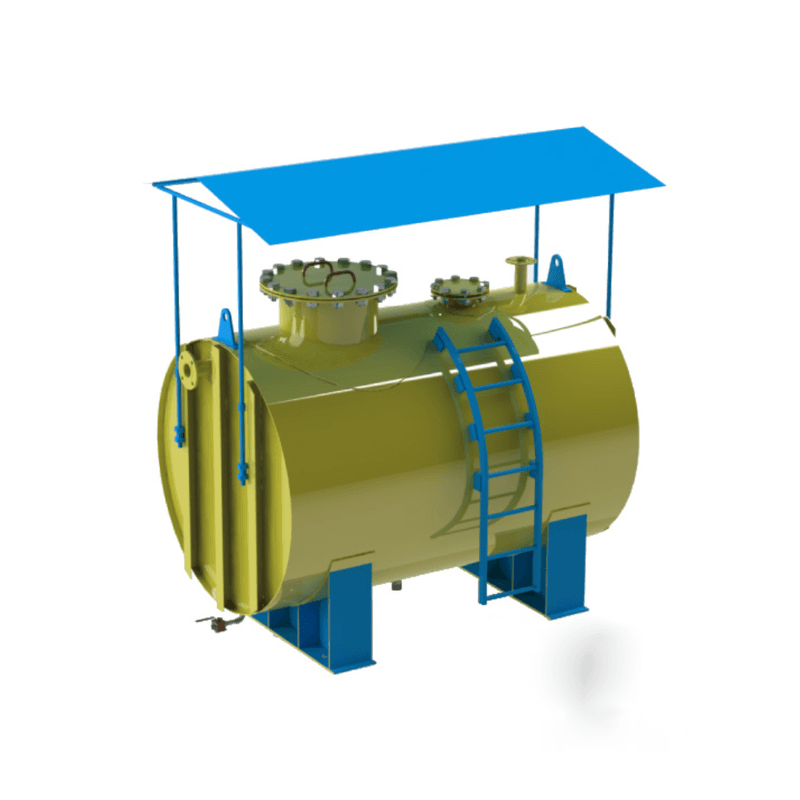
Foam Concentrate Tank
Atmospheric, horizontal, 200 to 10,000 litres
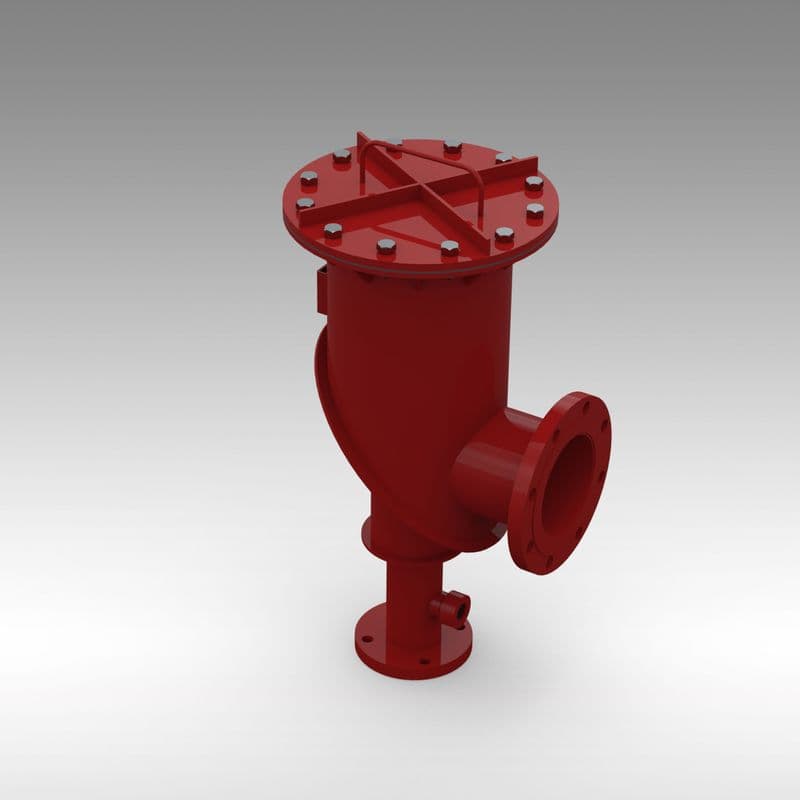
Foam Mixer (For fixed roof tank)
Fixed roof tanks, glass vapour seal, 50 to 150 NB
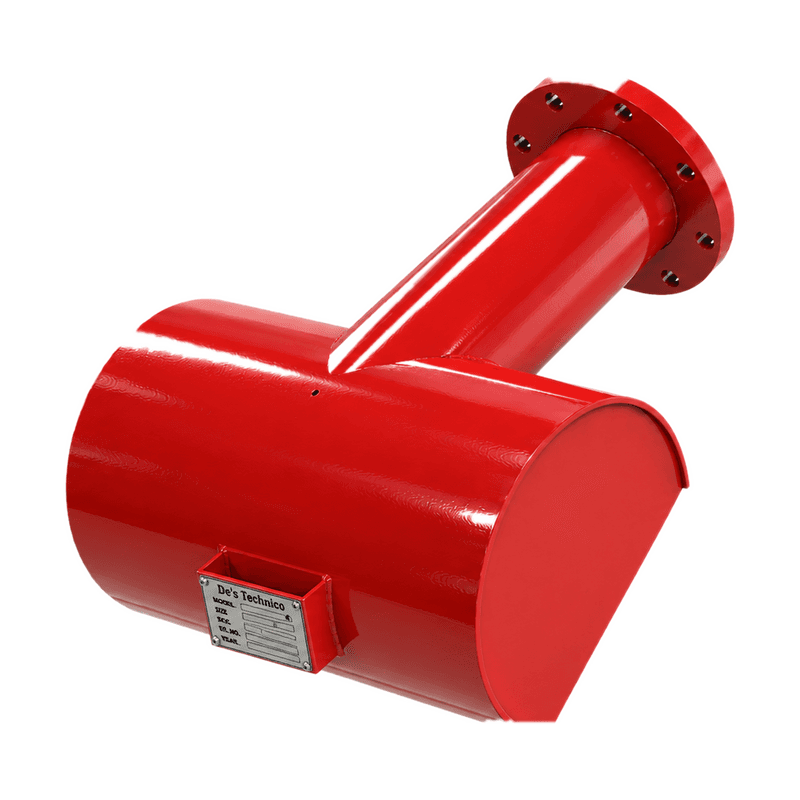
Foam Pourer Cone Roof Tank
For cone roof tanks, fixed orifice plate
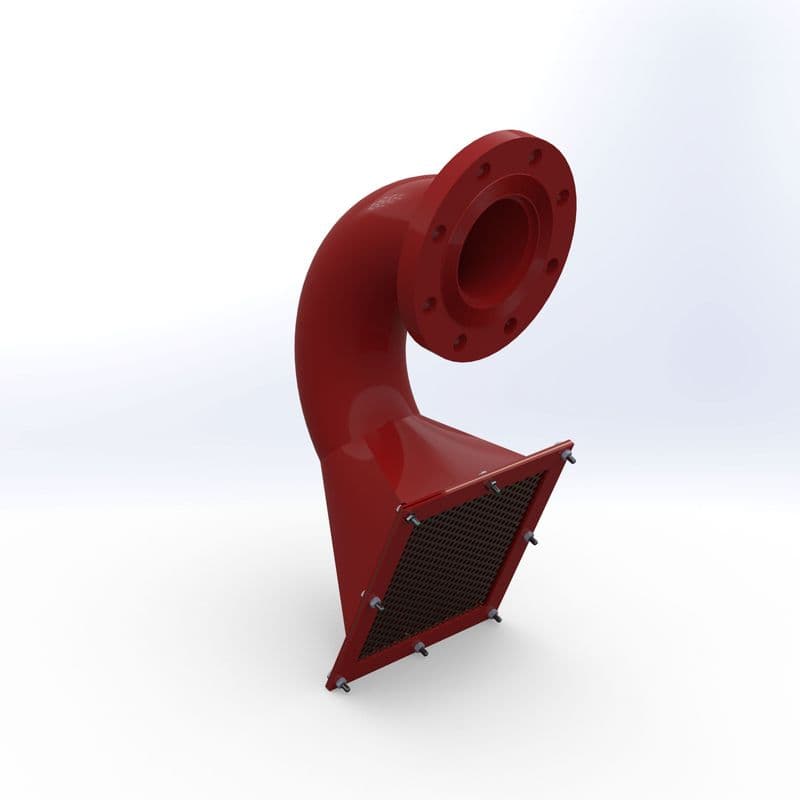
Foam Pourer Floating Roof Tank
For floating roof tanks, 50 to 80 NB inlet
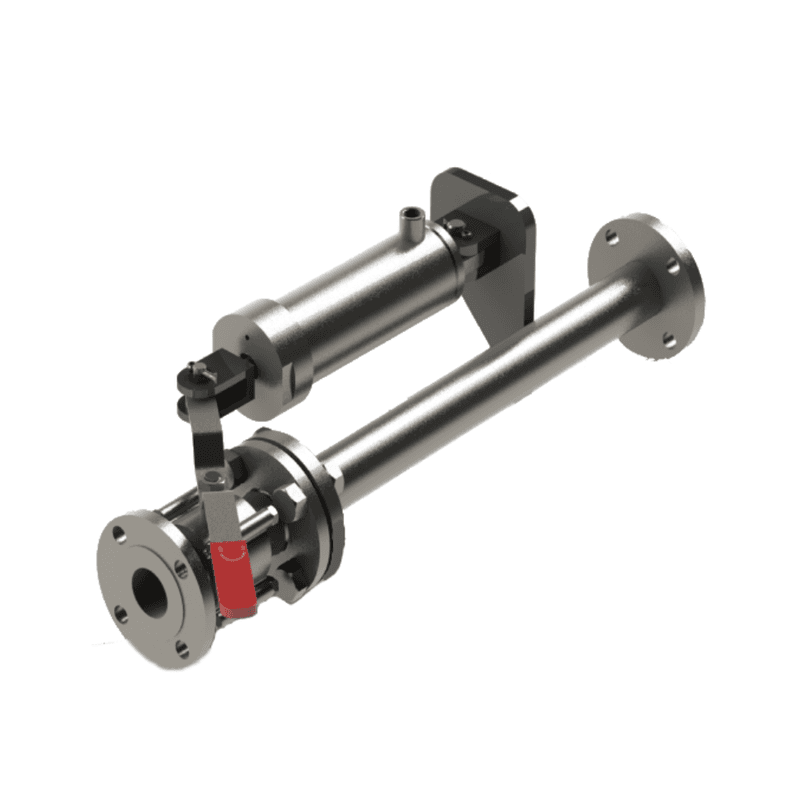
HOV (Hydraulically Operated Valve)
Auto open, manual close, 40 and 50 NB
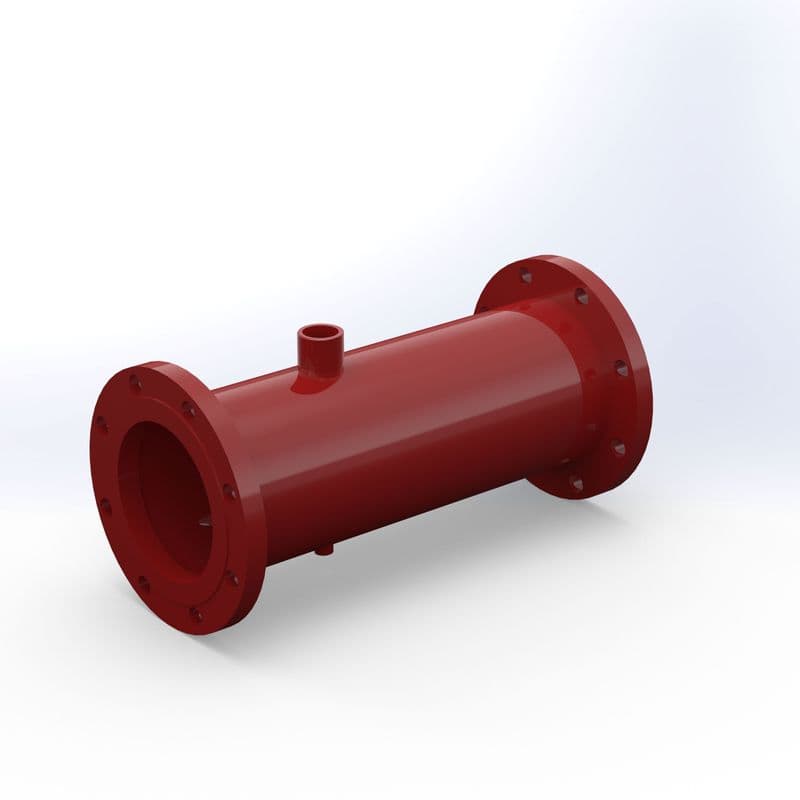
Foam Inductor
Inline, 3% or 6% induction, 50 to 200 NB
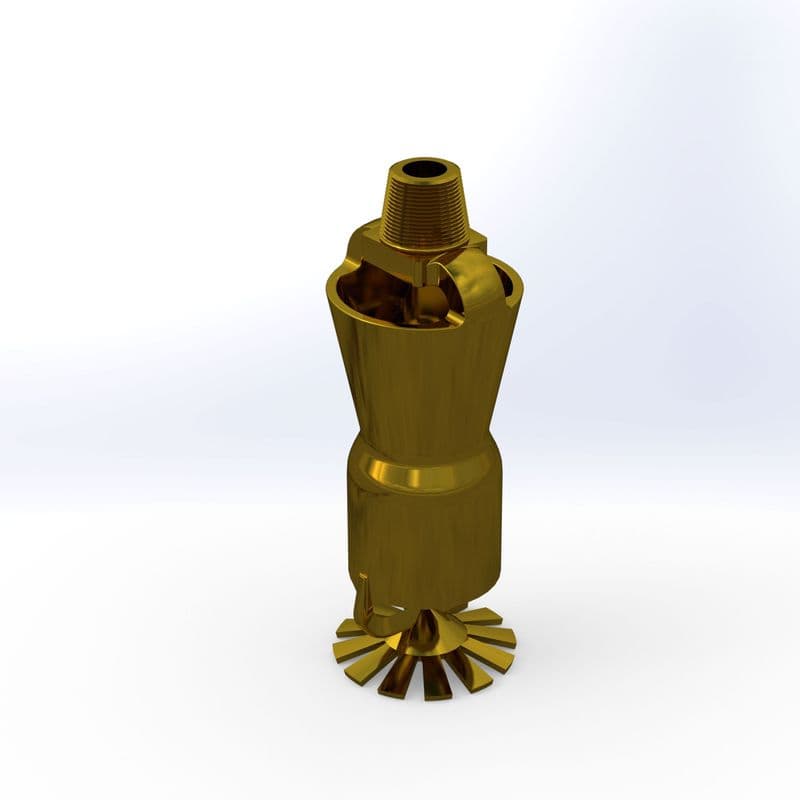
Foam Nozzle
Air-aspirating, upright and pendent, K-3.0
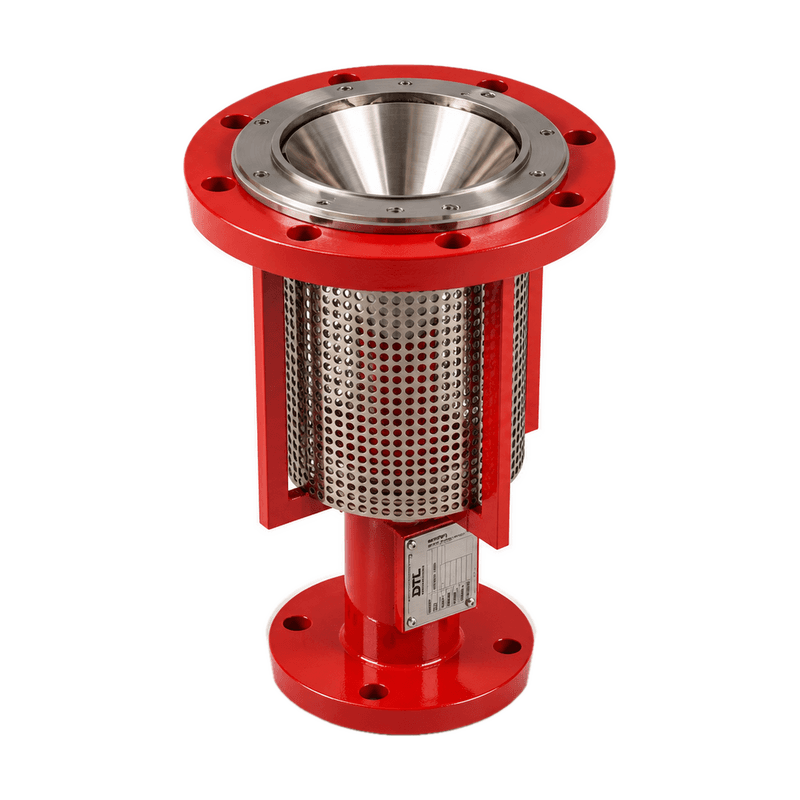
Foam Maker (For Floating Roof Tank)
For floating roof tanks, 50 to 80 NB inlet
Foam Pourer
Fixed roof tank application, with vapour seal
Spray Nozzles · 4
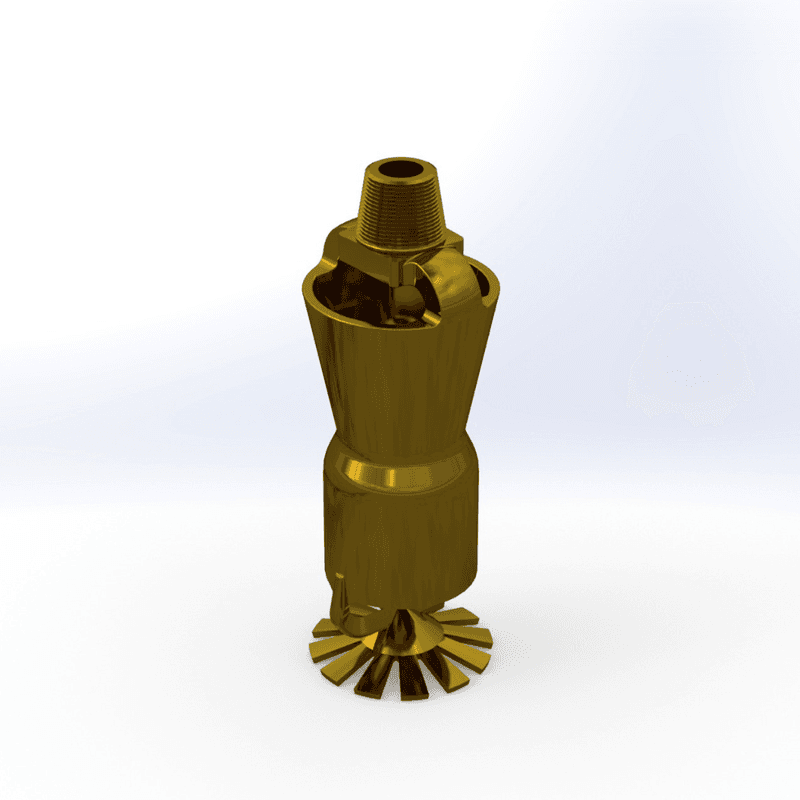 Tyco make
Sprinkler Foam-Water
Air-aspirating, upright and pendent, K-3.0
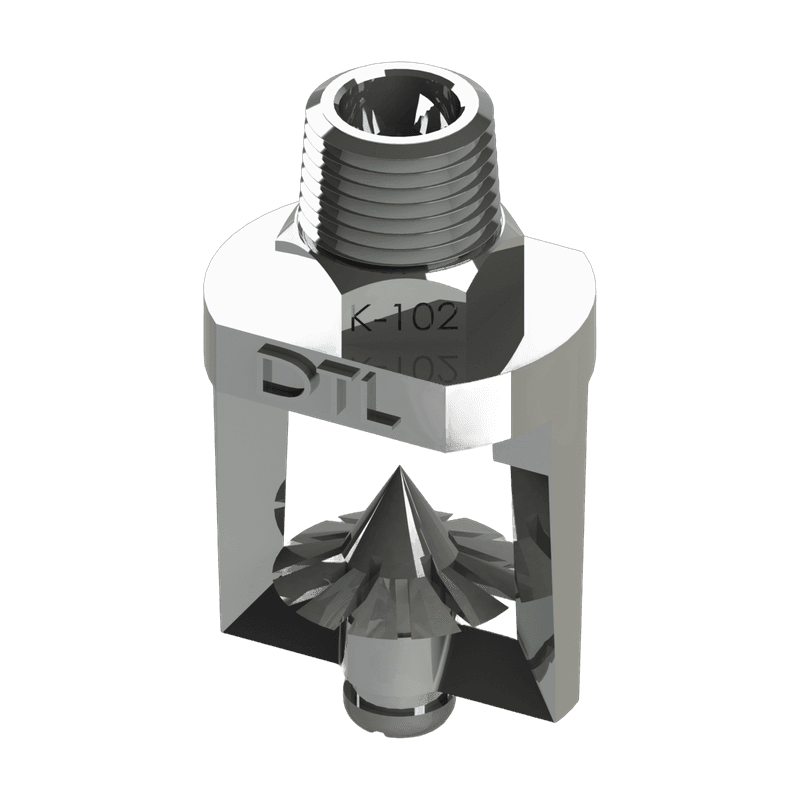
MVWS Nozzle Stainless Steel
Stainless steel 316, K-18 to K-102, 65° to 160°
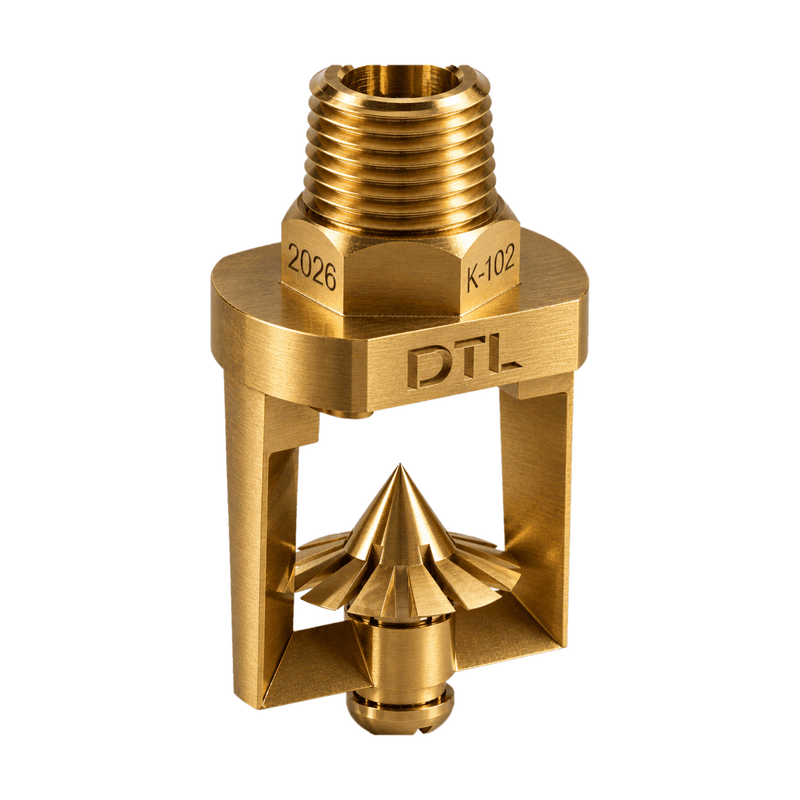
MVWS Nozzle Brass
Brass, K-18 to K-102, 65° to 160°
MVWS Nozzle
Brass or stainless steel 316, K-18 to K-102
Strainers · 6
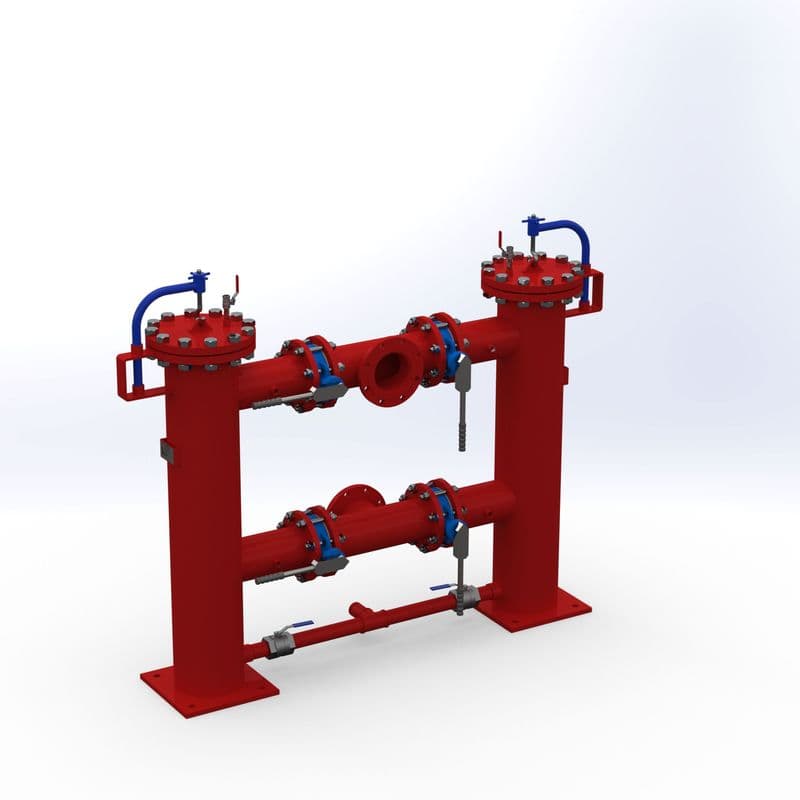
Fabricated Duplex Strainer
Twin baskets, cleaned without shutting down
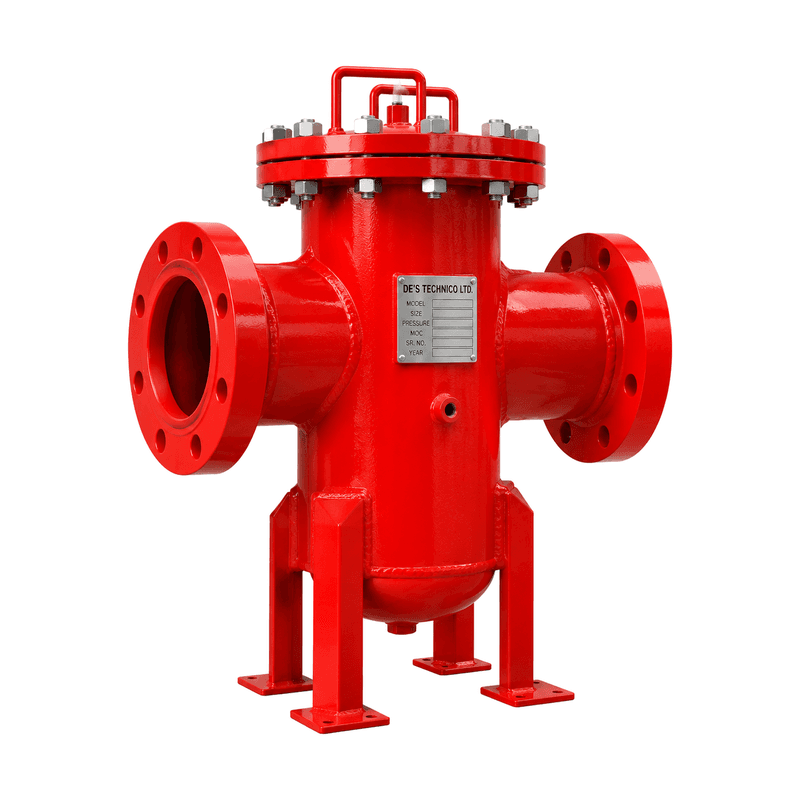
Fabricated Basket Strainer
Top-removal basket, 2" to 24"
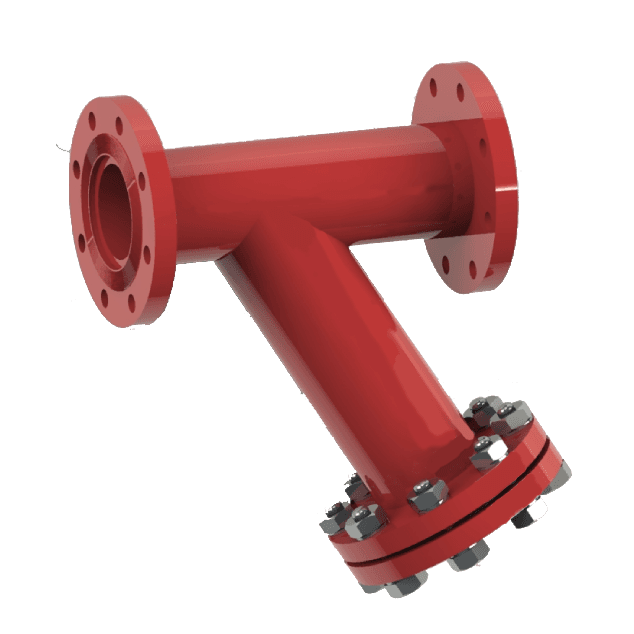
Fabricated Y Strainer
1" to 24", ASME Class 150 to 2500
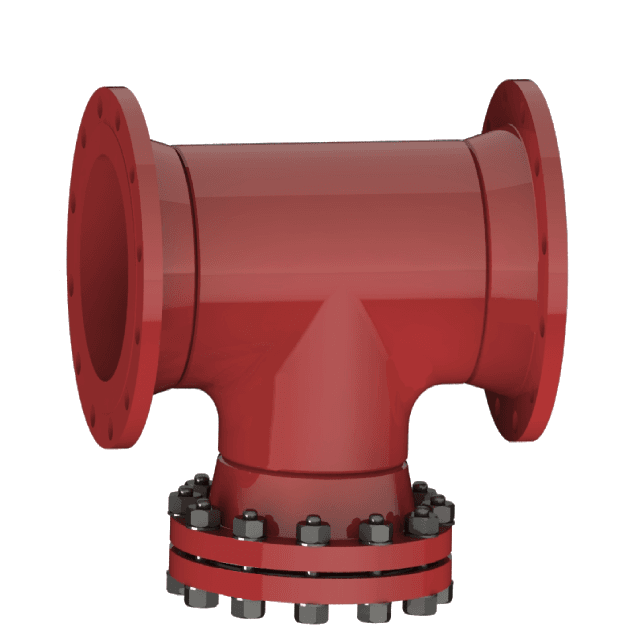
Fabricated Tee Strainer
Graded filtration, 2" to 24", ASME 150 to 600
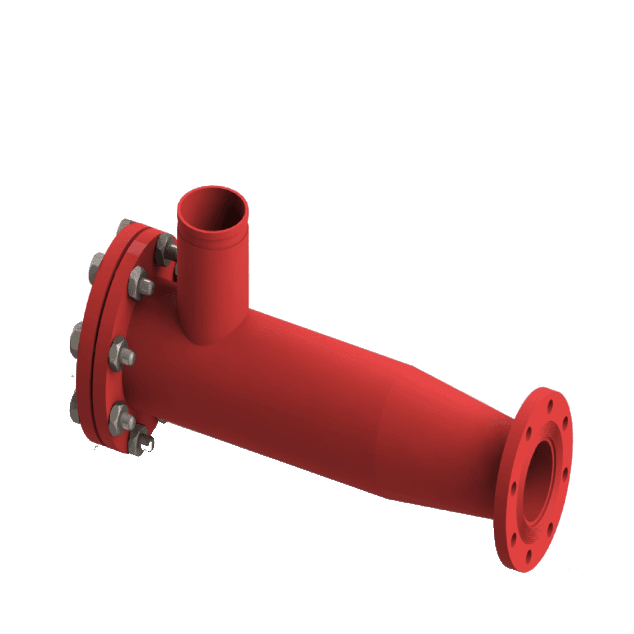
Fabricated Inline Strainer
Inline, 15 to 150 mm, 40 to 100 mesh
Strainer
Y-type, 1" to 24", threaded, socket weld or flanged
Questions we are asked
Why foam-water rather than plain water at a gantry?
A gantry fire is usually a spill of flammable liquid under or around the vehicle. Foam-water puts a foam blanket on the spill; plain water would spread it.
How is the area under the vehicle covered?
With low-level nozzles or monitors, because overhead nozzles cannot reach beneath the tanker.
What releases the system?
Flame or heat detection, or a manual release at the gantry. Gas detection at the loading points raises the alarm before anything ignites.
Related hazards
Projects on this hazard
 Tata Cummins
High velocity water spray system — Tata Cummins
High velocity water spray (HVWS) system for Tata Cummins at Jamshedpur. · Jamshedpur
 TISCO
Hydrant system — TISCO
Fire hydrant system for TISCO at Noamundi. · Noamundi
 Tata Steel
High velocity water spray system — Tata Steel
High velocity water spray (HVWS) system for Tata Steel at Joda Mine. · Joda Mine
 IOCL
Foam system — IOCL
Foam based fire fighting system for IOCL at five sites. · Hasimara, Mourigram, Dharmanagar, Rajola, Rewari
 IOCL
Medium velocity water spray system — IOCL
Medium velocity water spray (MVWS) system for IOCL at five sites. · PJPL, Panipat Refinery, Barauni Refinery, Tikrikalan bottling plant, Kalyani
 Oil India
Hydrant system — Oil India
Fire hydrant system for Oil India at Duliajan. · Duliajan
 Oil India
Medium velocity water spray system — Oil India
Medium velocity water spray (MVWS) system for Oil India at Duliajan. · Duliajan
 BHEL
Hydrant system — BHEL
Fire hydrant system for BHEL at Haldia. · Haldia
 GAIL
High velocity water spray system — GAIL
High velocity water spray (HVWS) system for GAIL at Vijaipur. · Vijaipur
 Berger Paints
Foam system — Berger Paints
Foam based fire fighting system for Berger Paints at three sites. · Naltali, Pune, Sandila
 BPCL
Medium velocity water spray system — BPCL
Medium velocity water spray (MVWS) system for BPCL at eight sites. · Tuticorin, Solur, Gummidipoondi, Cherlapally, Patna, Vijayawada, Hariyala, Rajkot
 Bridge & Roof
Foam system — Bridge & Roof
Foam based fire fighting system for Bridge & Roof at two sites. · IOCL Trichy and Sankari depot, CPCL
 IOCL
Hydrant system — IOCL
Fire hydrant system for IOCL at six sites. · Coimbatore, Quilon, Hasimara, Dharmanagar, Kalyani, Goindwal
 GAIL
Medium velocity water spray system — GAIL
Medium velocity water spray (MVWS) system for GAIL at Vijaipur. · Vijaipur
 Airports Authority of India
Foam system — Airports Authority of India
Foam based fire fighting system for Airports Authority of India at Kolkata. · Kolkata
 Berger Paints
Medium velocity water spray system — Berger Paints
Medium velocity water spray (MVWS) system for Berger Paints at three sites. · Sandila, Shibpur, Anand
 GAIL
Hydrant system — GAIL
Fire hydrant system for GAIL at Vijaipur. · Vijaipur
 IOTL
Foam system — IOTL
Foam based fire fighting system for IOTL at Vadinar. · Vadinar
 IOCL
Gas detection system — IOCL
Gas detection system for IOCL at five sites. · Barauni Refinery, Haldia, Kohand, Nabha, Jalandhar
 Tata Steel
Medium velocity water spray system — Tata Steel
Medium velocity water spray (MVWS) system for Tata Steel at Joda Mine. · Joda Mine
 Airports Authority of India
Hydrant system — Airports Authority of India
Fire hydrant system for Airports Authority of India at Kolkata. · Kolkata
 BPCL
Gas detection system — BPCL
Gas detection system for BPCL at two sites. · Rajkot, Fatuha (Patna)
 BPCL
Foam system — BPCL
Foam based fire fighting system for BPCL at three sites. · Haldia, Malda, New Jalpaiguri
 IOCL
High velocity water spray system — IOCL
High velocity water spray (HVWS) system for IOCL at three sites. · Panipat, Haldia Refinery, Digboi
 Berger Paints
Hydrant system — Berger Paints
Fire hydrant system for Berger Paints at three sites. · Sandila, Anand, Naltali
Considering us for a turnkey scope?
Send the hazard, the code and the site. Our engineers reply with a scheme and a price.