
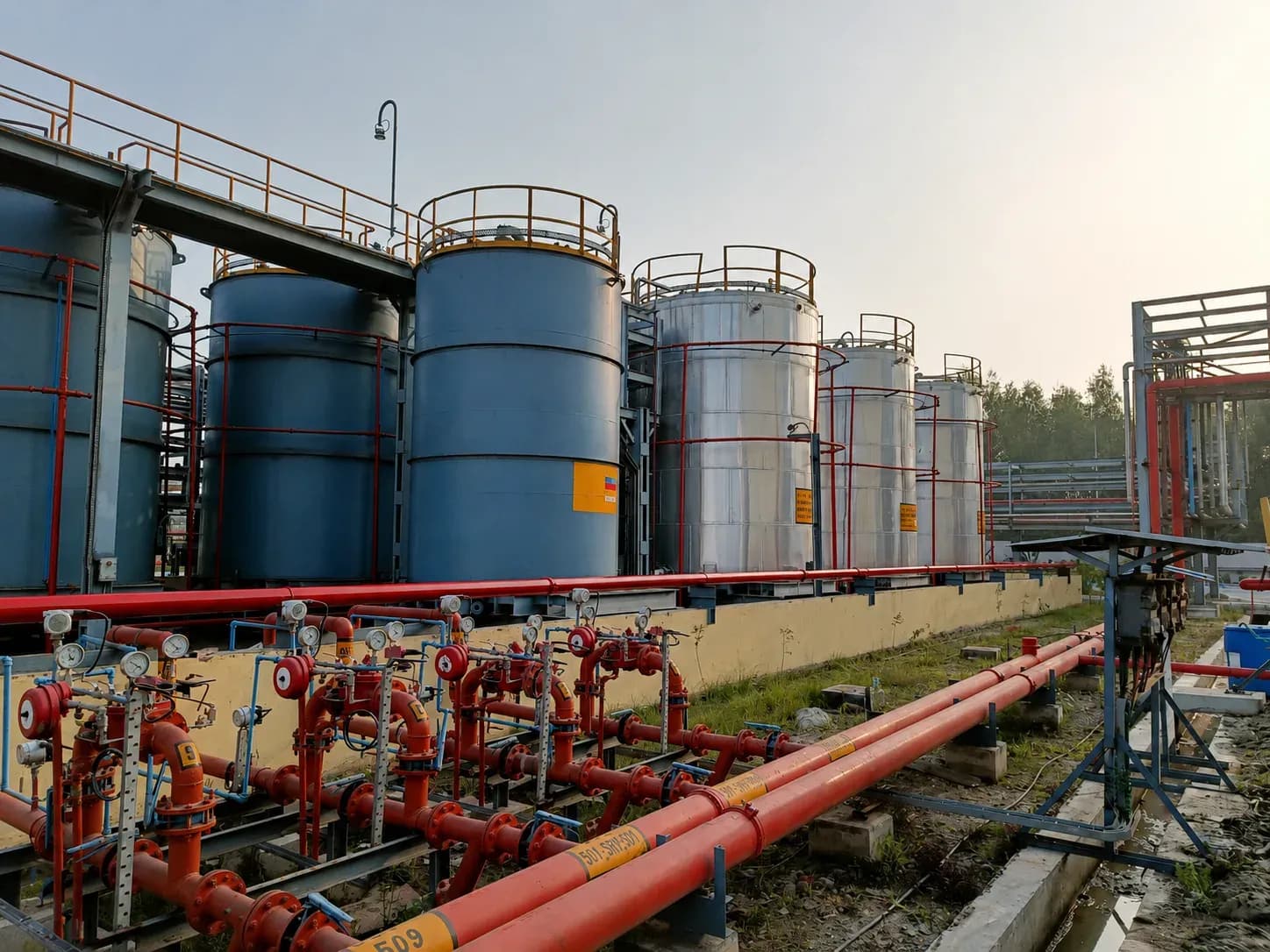
Fire Water Spray System
Open nozzles on dry pipework, released by a deluge valve on detection, that cool vessels and structures or control fires on transformers and process equipment.
At a glance
- Governing standard
- NFPA 15
- Designed to
- NFPA 15, OISD-STD-116, OISD-STD-117
- Equipment source
- Our own works
How it works

A water spray system holds a network of open, non-automatic nozzles on pipework that stays dry until the system is called. A separate detection line — a pilot sprinkler circuit, a linear heat cable or a flame detector — releases pressure from the deluge valve, the clapper opens fully and instantly, and water fills the network to every nozzle at once.
The distinction between medium and high velocity is the droplet, not the pressure. Medium velocity nozzles throw a wide cone of fine droplets that cool a surface and prevent it absorbing radiant heat from a fire nearby. High velocity nozzles throw heavier droplets hard enough to break the surface of a burning liquid and emulsify it, which is why they suit transformers and flammable liquid handling rather than exposure cooling.
Nozzle K-factor, spray angle and spacing follow from the surface being protected and the design density in litres per minute per square metre. A main pipeline strainer is required where the orifice is small enough to block.
Main components
- The deluge valve with its trim.
- Detection: a pilot sprinkler line, linear heat cable or flame detectors.
- A strainer ahead of the nozzles.
- Dry spray pipework and open nozzles aimed at the protected surfaces.
Testing and maintenance
- Trip-test each deluge valve at the intervals the code sets, and reset it afterwards.
- Run a full-flow test and check that every nozzle discharges and the pattern covers the equipment.
- Clean the strainer after every test and discharge.
| Aspect | Medium velocity (MVWS) | High velocity (HVWS) |
|---|---|---|
| Droplet | Fine, medium velocity | Coarse, high velocity |
| Purpose | Cooling and exposure protection; fire control | Extinguishing oil fires by emulsifying the surface |
| Typical nozzle pressure | About 1.4–3.5 bar | About 3.5–5 bar |
| Typical hazards | Vessels, LPG spheres, cable trays, structures | Transformers, oil-filled equipment, lube oil systems |
Typical pressures; the nozzle listing and the design govern.
Scope we take
- 1
Design
Nozzle layout over every surface to be protected, the density the code requires, deluge valve and detection sizing, and hydraulic calculation.
- 2
Manufacture
Deluge valves, spray nozzles and strainers from our own works.
- 3
Installation
Spray pipework and nozzles aimed at the protected surfaces, deluge valve sets and the detection line.
- 4
Testing
Hydrostatic test and flushing of the dry pipework.
- 5
Commissioning
Trip test of each deluge valve and a full-flow test to confirm every surface is covered.
- 6
Handover
As-built drawings, test records and operating and maintenance manuals, with training for the people who will run the system.
Equipment used
Deluge Valves & Systems · 9
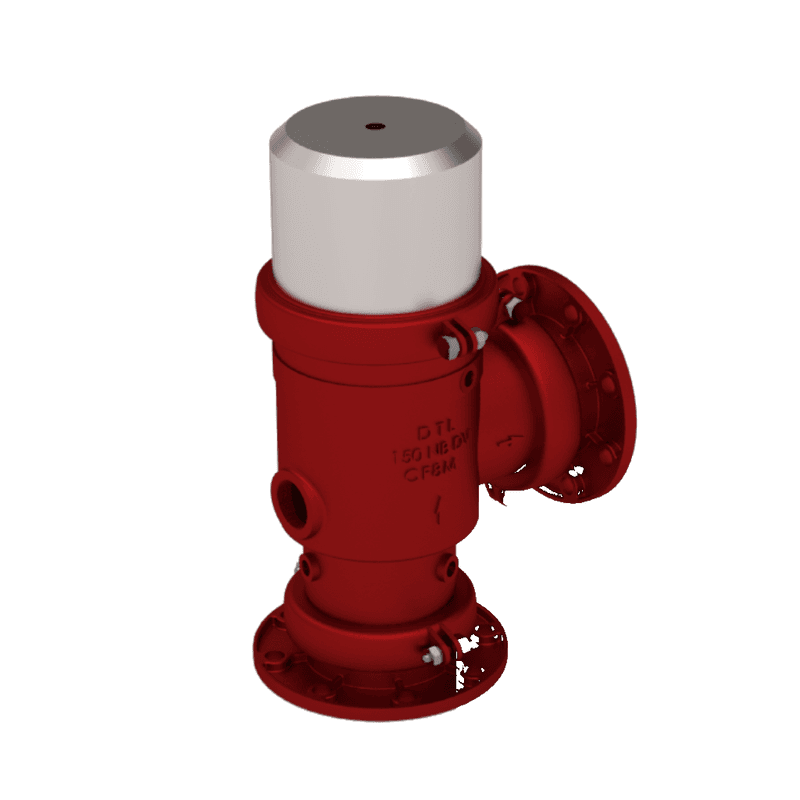

Deluge Valve Cast Carbon Steel (Model PD-CS)
Cast carbon steel, 80 to 200 mm, 250 psi
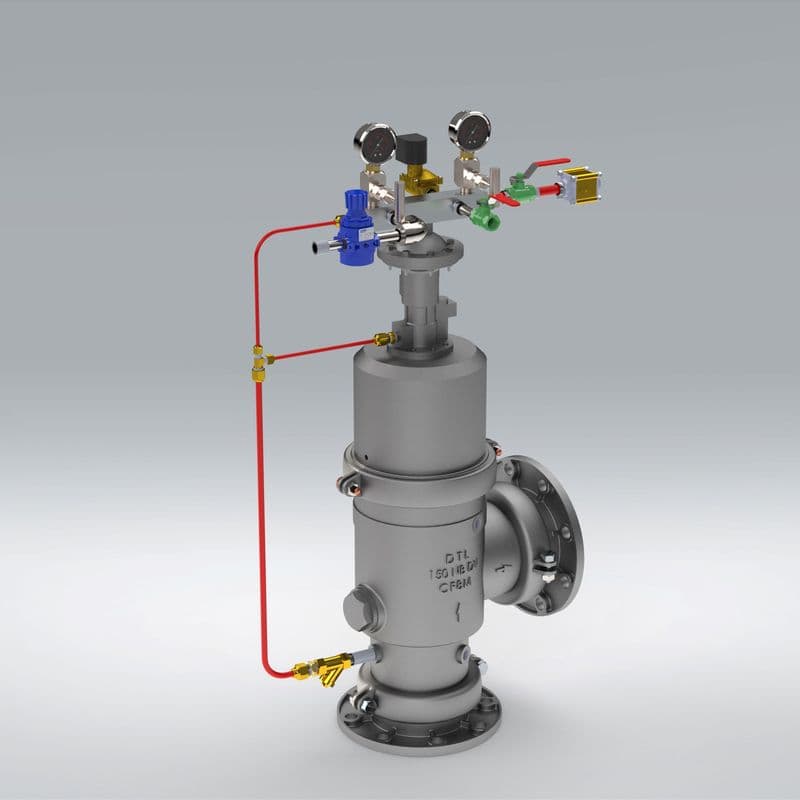
Deluge Valve Cast Stainless Steel (Model PD-SS)
Cast stainless steel, 80 to 200 mm, 250 psi
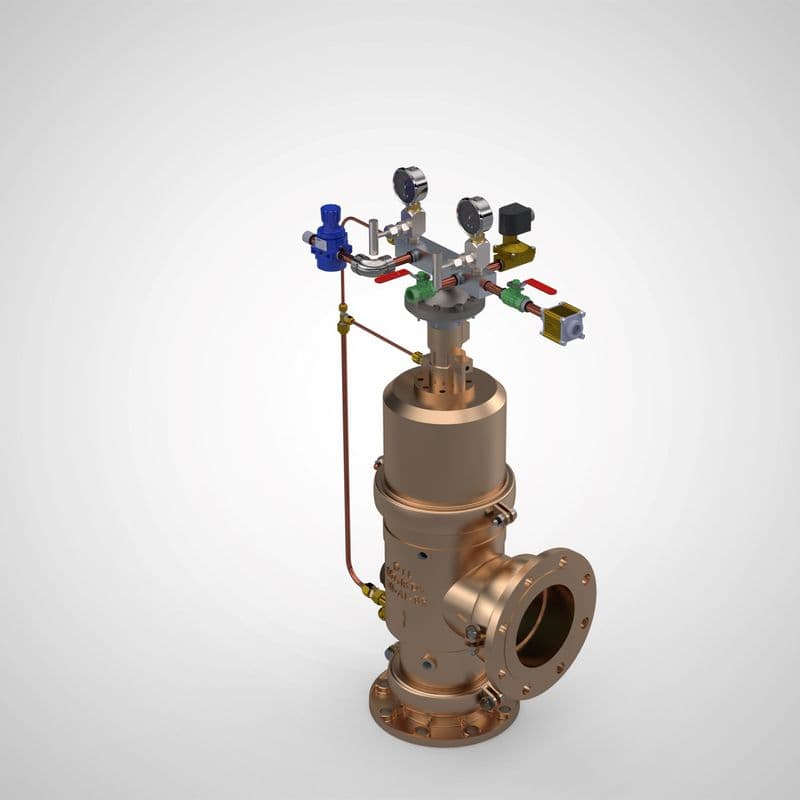
Deluge Valve Aluminium Bronze (Model PD-AB)
Aluminium bronze, 80 to 200 mm, 250 psi
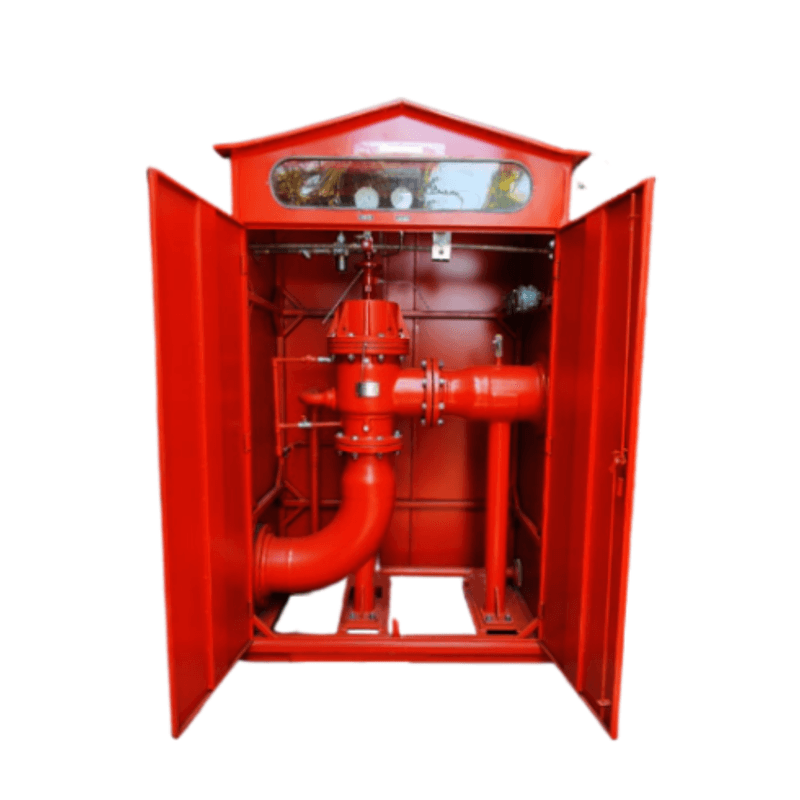
Deluge Valve Skid Cabinet
Pre-assembled and factory tested, with bypass
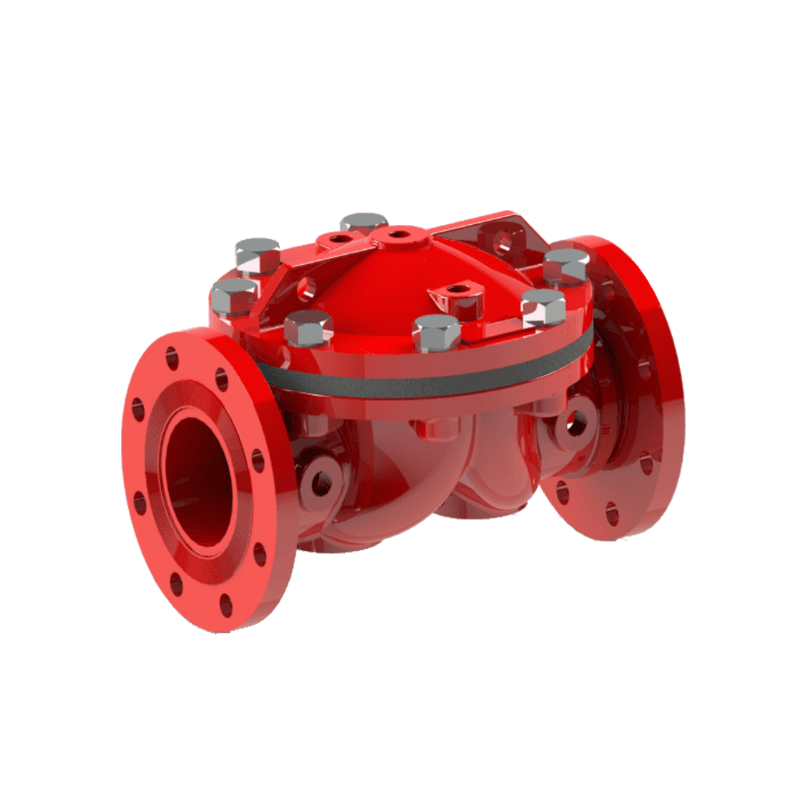
Deluge Valve Cast Carbon Steel (Model PD-ILV)
Inline globe pattern, cast carbon steel
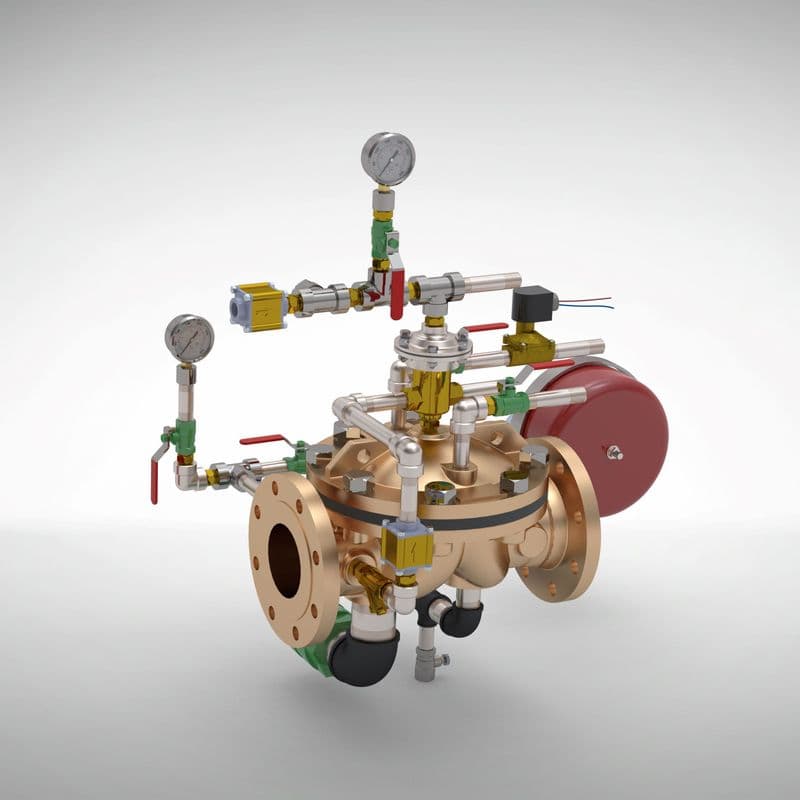
Deluge Valve Aluminium Bronze (Model PD-ILVAB)
Inline globe pattern, aluminium bronze
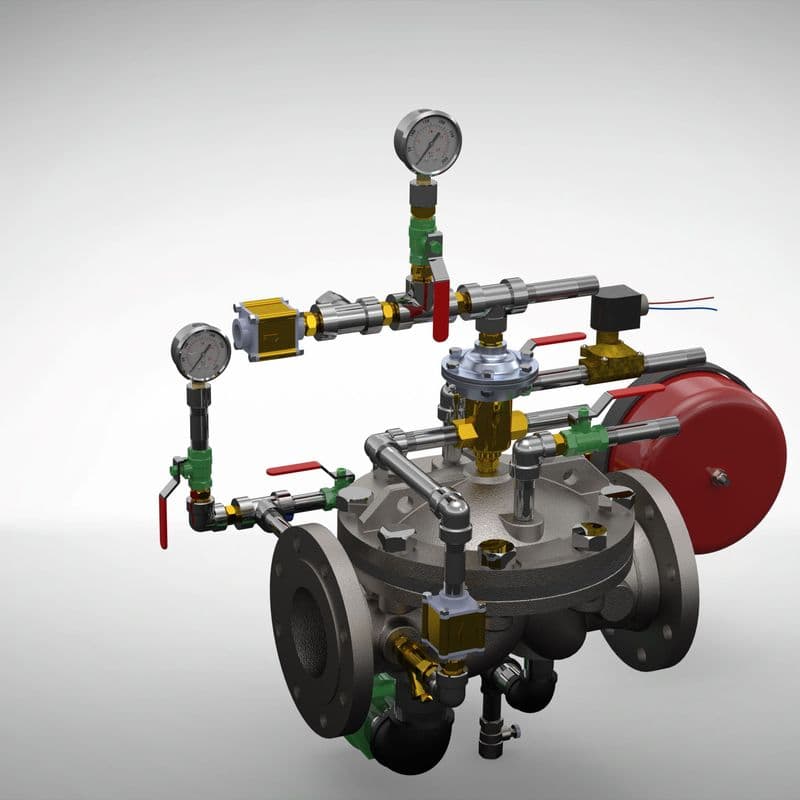
Deluge Valve Cast Stainless Steel (Model PD-ILVS)
Inline globe pattern, cast stainless steel

Deluge Valve
Dry pilot, wet pilot and electric release
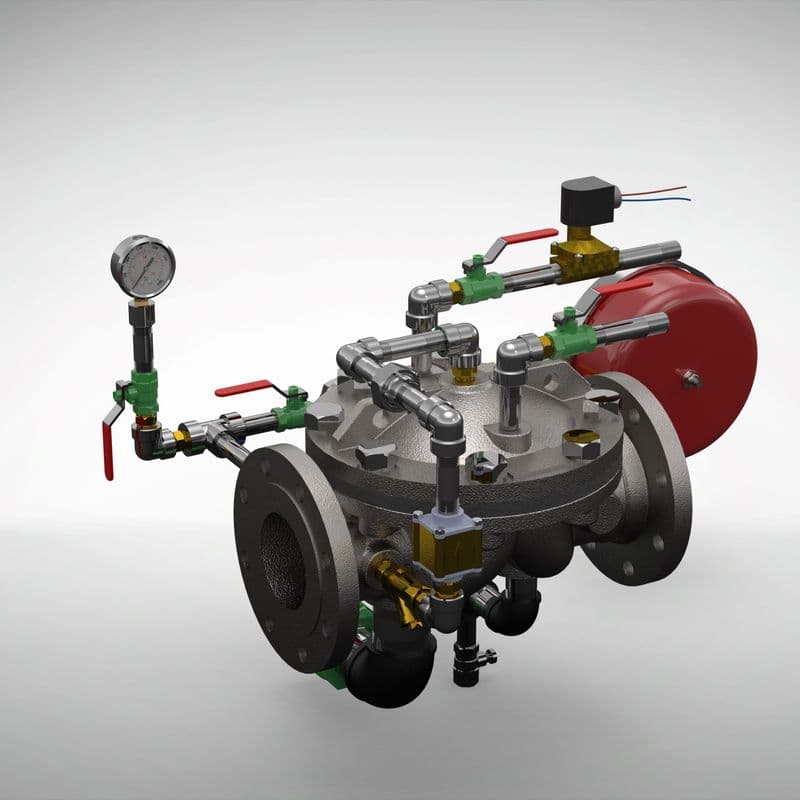
Wet Pilot Inline Deluge Assembly (Stainless Steel)
PD-ILVS with wet pilot trim, 80 to 200 mm
Spray Nozzles · 3
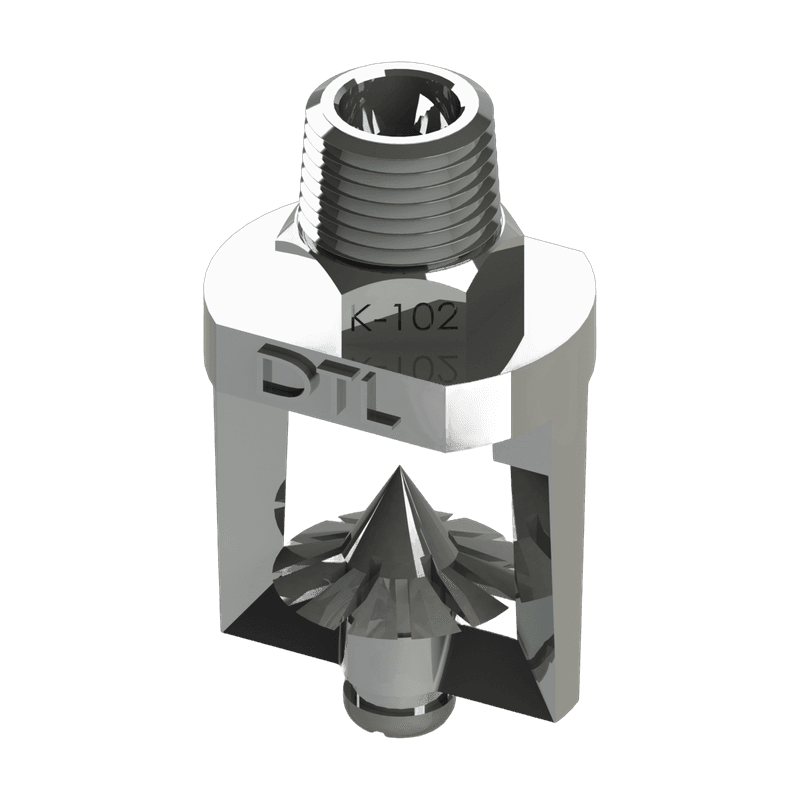
MVWS Nozzle Stainless Steel
Stainless steel 316, K-18 to K-102, 65° to 160°
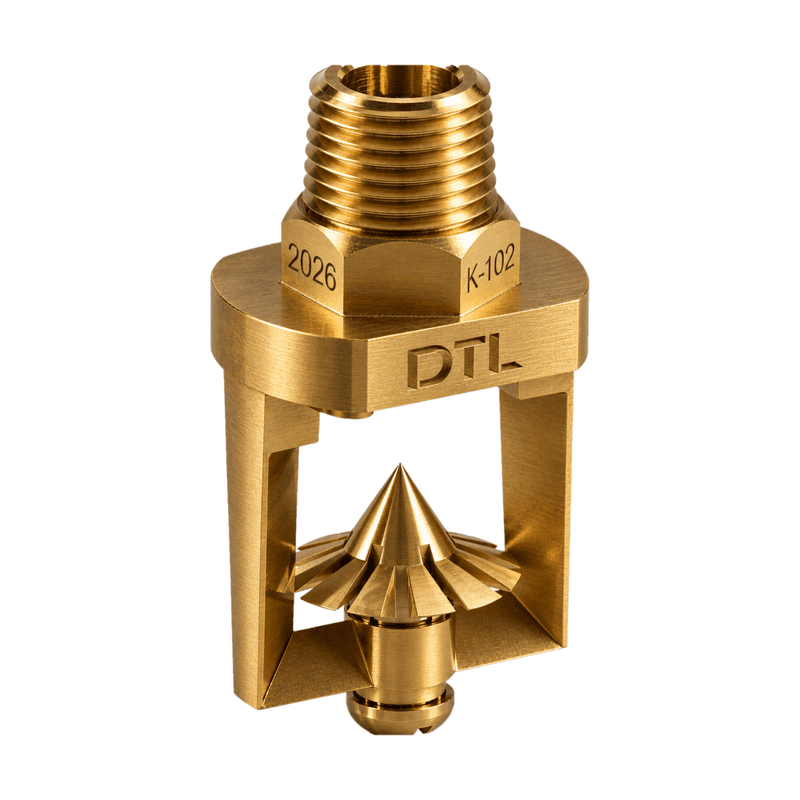
MVWS Nozzle Brass
Brass, K-18 to K-102, 65° to 160°
MVWS Nozzle
Brass or stainless steel 316, K-18 to K-102
Strainers · 6
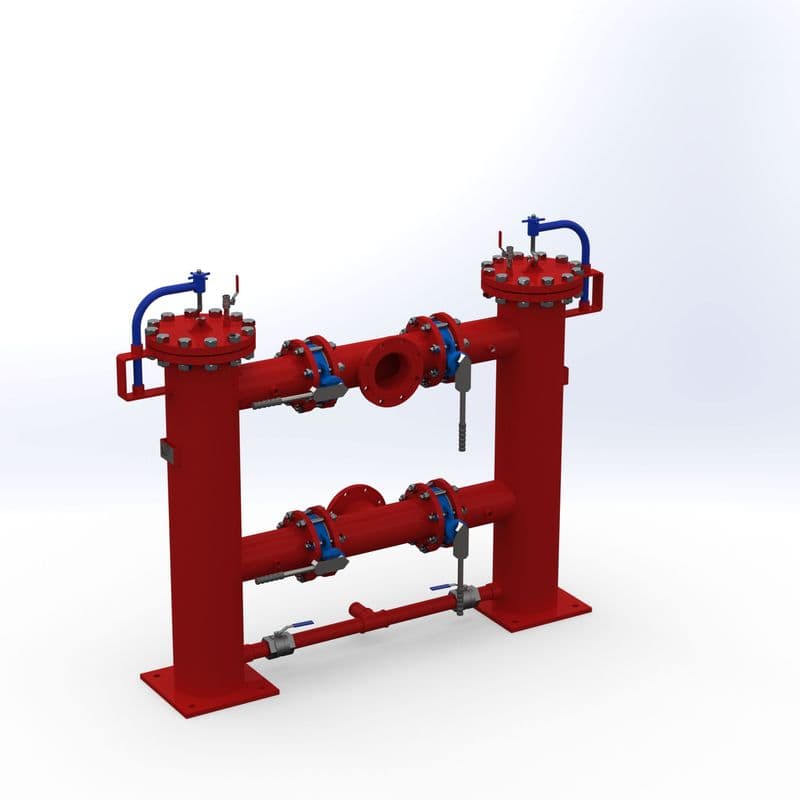
Fabricated Duplex Strainer
Twin baskets, cleaned without shutting down
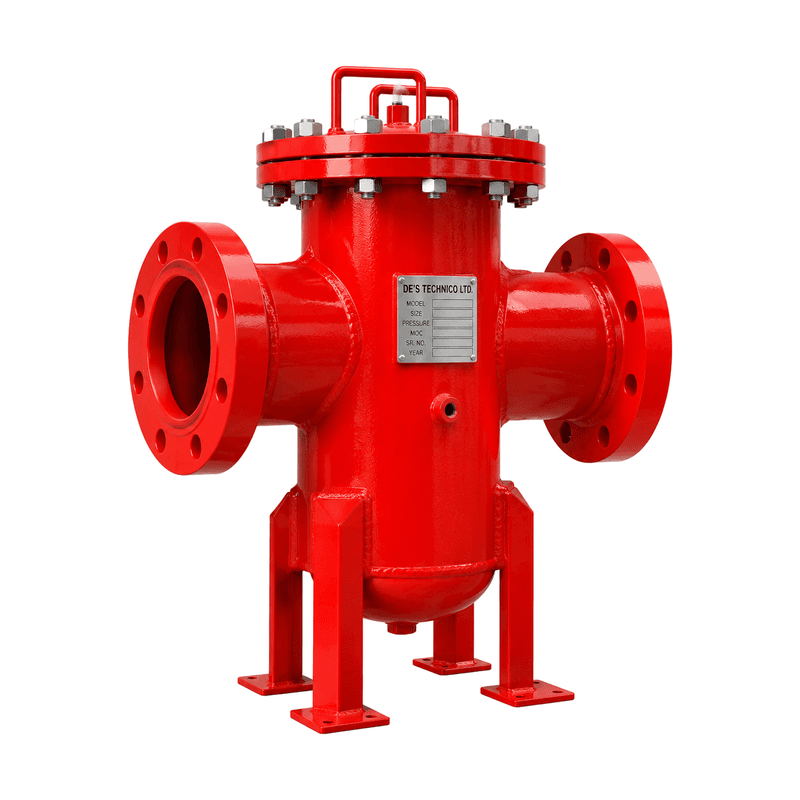
Fabricated Basket Strainer
Top-removal basket, 2" to 24"
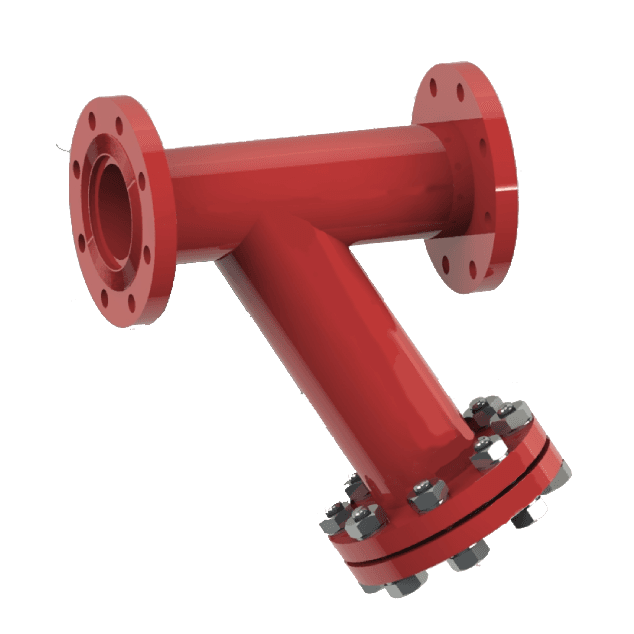
Fabricated Y Strainer
1" to 24", ASME Class 150 to 2500
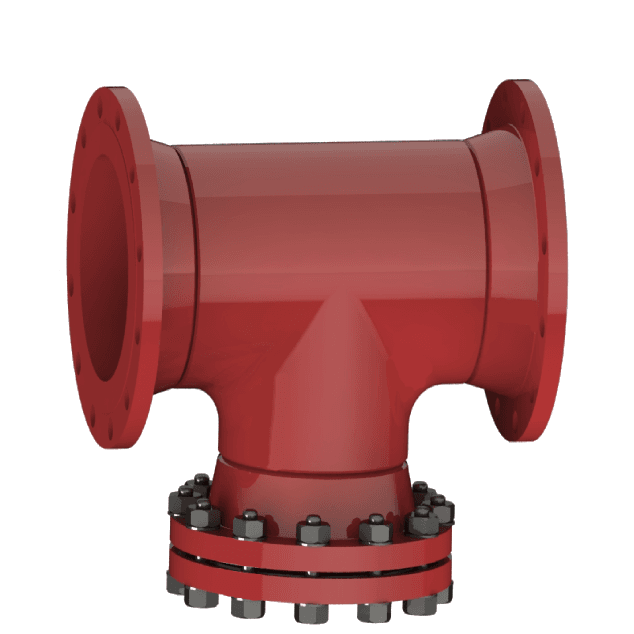
Fabricated Tee Strainer
Graded filtration, 2" to 24", ASME 150 to 600
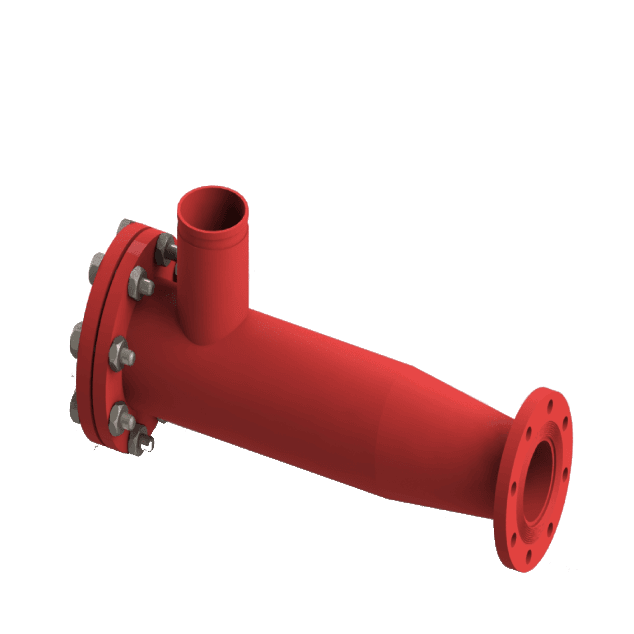
Fabricated Inline Strainer
Inline, 15 to 150 mm, 40 to 100 mesh
Strainer
Y-type, 1" to 24", threaded, socket weld or flanged
Standards
- NFPA 15Water spray fixed systems for fire protection.
- OISD-STD-116Fire protection facilities for petroleum refineries and oil/gas processing plants.
- OISD-STD-117Fire protection facilities for petroleum depots and terminals.
| Parameter | Figure | Source |
|---|---|---|
| Minimum pressure at any nozzle | 1.4 bar (20 psi), unless the nozzle is listed for less | NFPA 15 |
| Vessels, exposure protection | 10.2 L/min/m² of exposed surface | NFPA 15 |
| Transformers | 10.2 L/min/m² on the transformer; 6.1 L/min/m² on non-absorbing ground around it | NFPA 15 |
| Cable trays | 12.2 L/min/m² | NFPA 15 |
| Pumps and compressors handling flammable liquids | 20.4 L/min/m² | NFPA 15 |
| Conveyor belts | 10.2 L/min/m² | NFPA 15 |
Service and maintenance
A fire protection system only performs if it is kept in the condition it was commissioned in. Inspection, testing and maintenance to the intervals the code sets — under an annual maintenance contract or as a single visit.
| Task | Interval | Reference |
|---|---|---|
| Inspect the deluge valve, trim and gauges | Weekly to monthly | NFPA 25 |
| Inspect nozzles for blockage, damage and aim | Quarterly | NFPA 25 |
| Full-flow trip test of the deluge valve | Annually | NFPA 25 |
| Clean the strainer | After every test and discharge | NFPA 25 |
Images · 10
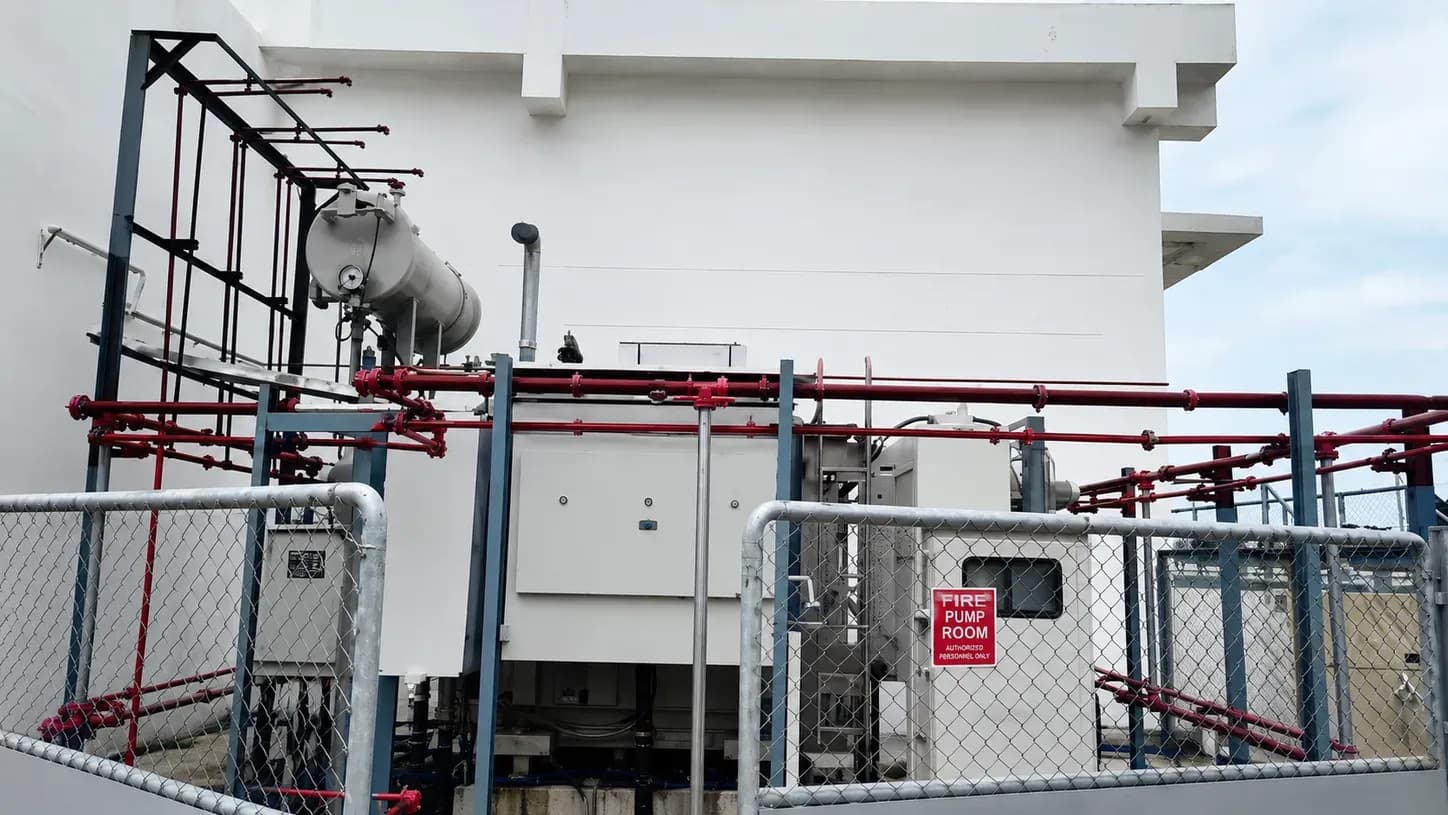
MVWS deluge valve sets on the fire water header
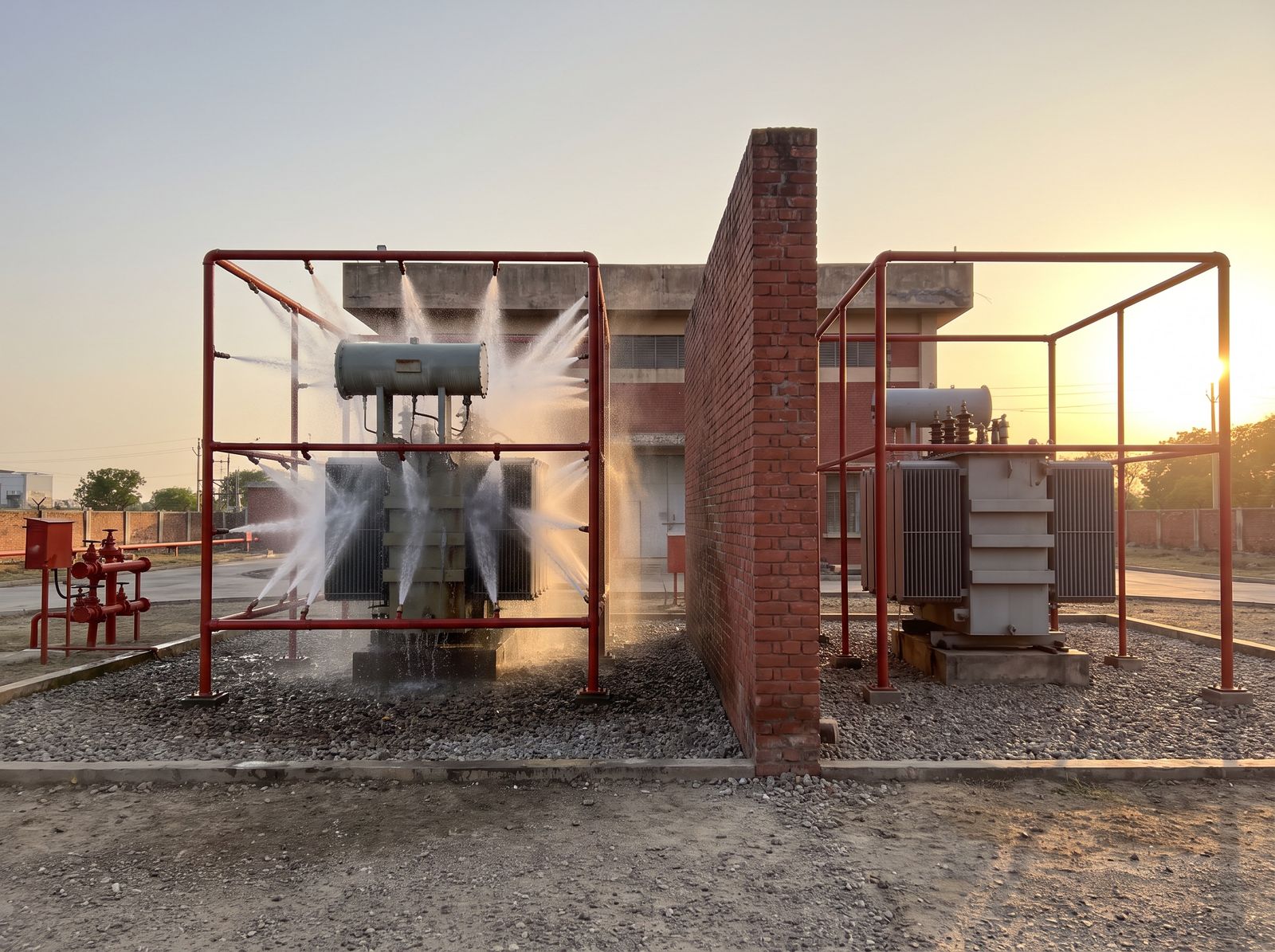
HVWS spray pipework around a power transformer
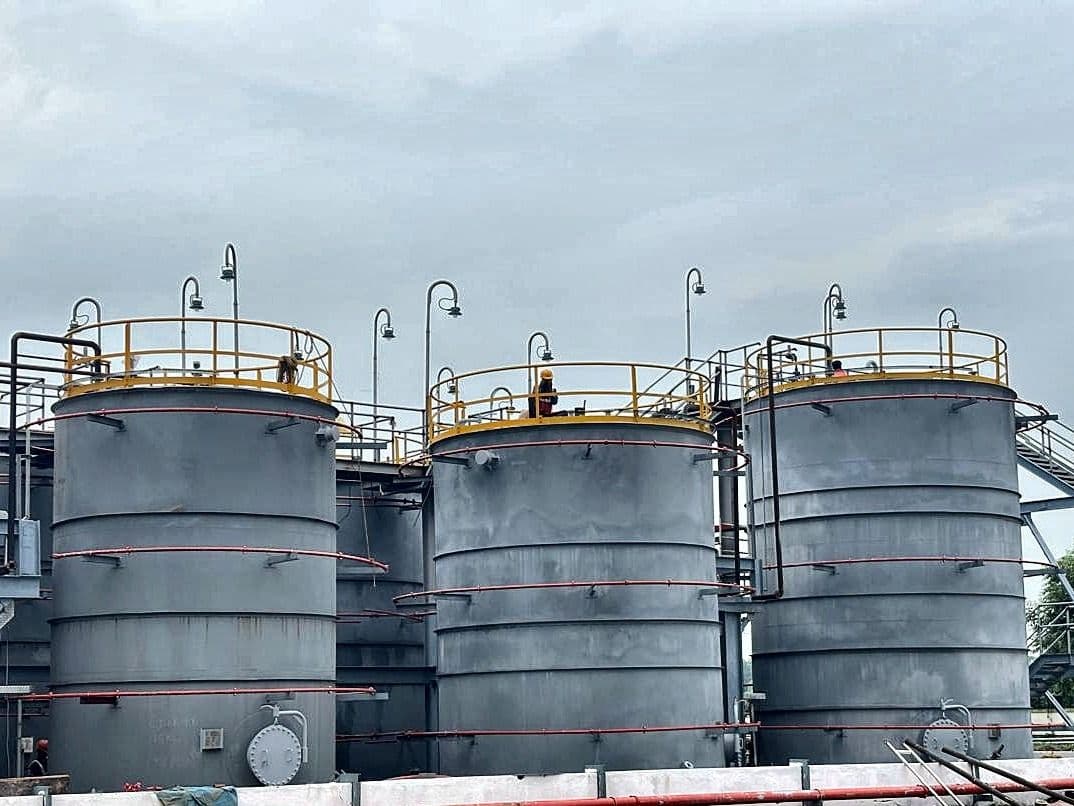
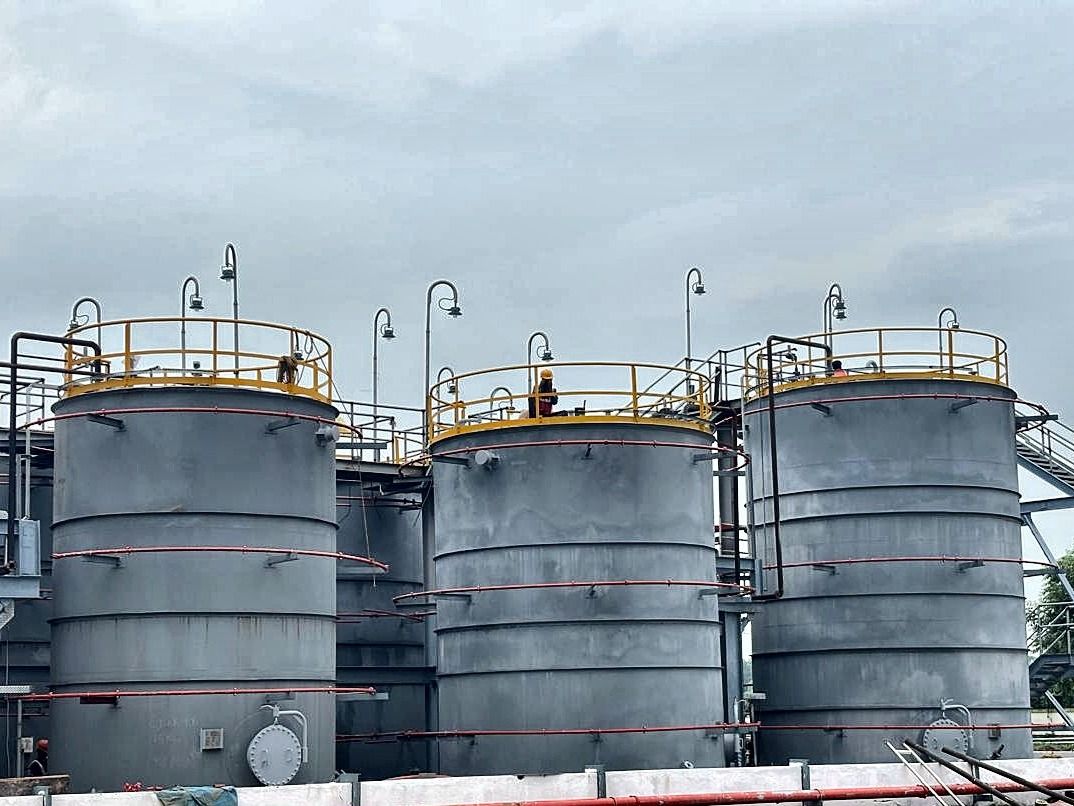
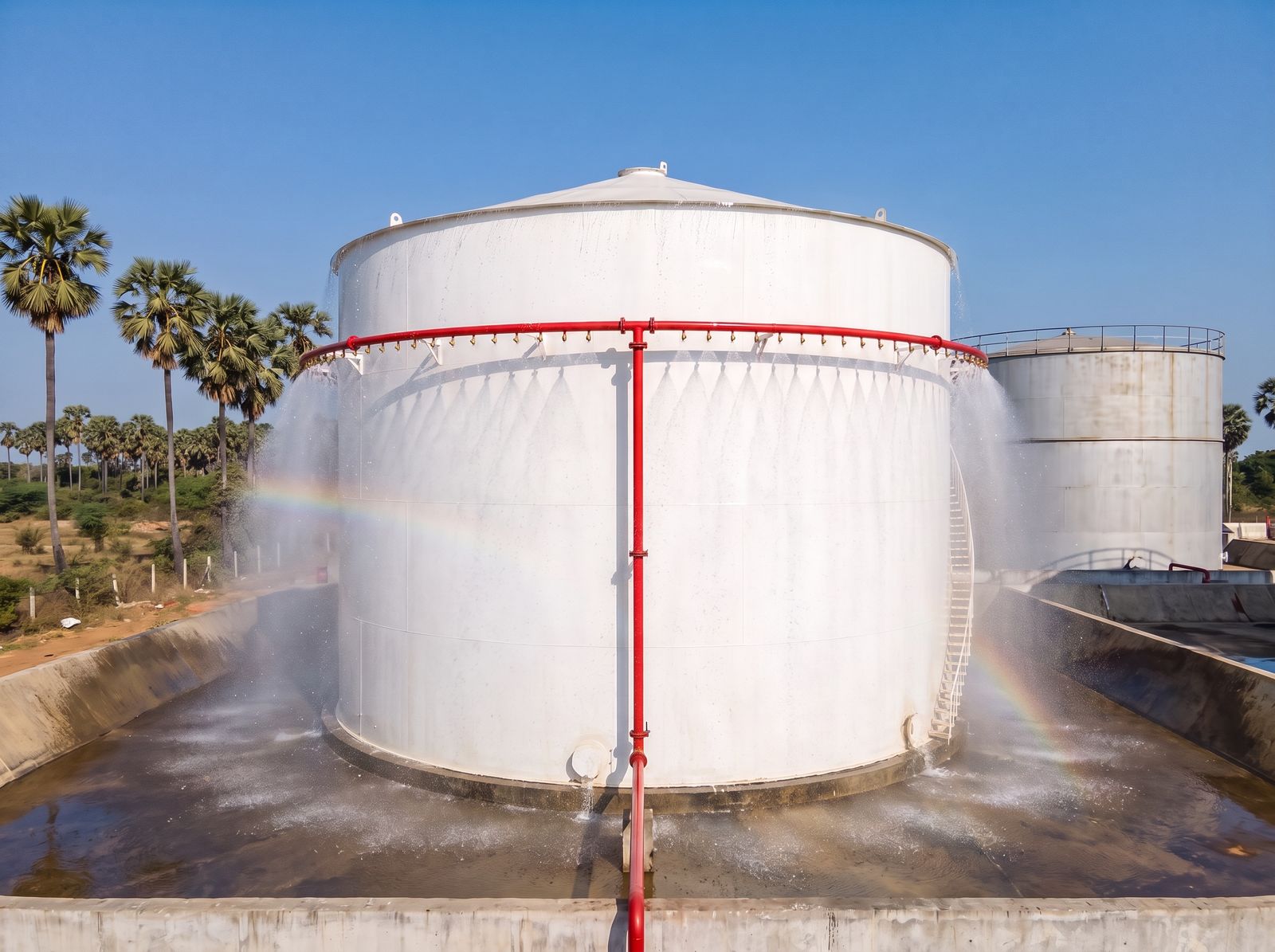
Storage tanks fitted with water spray rings
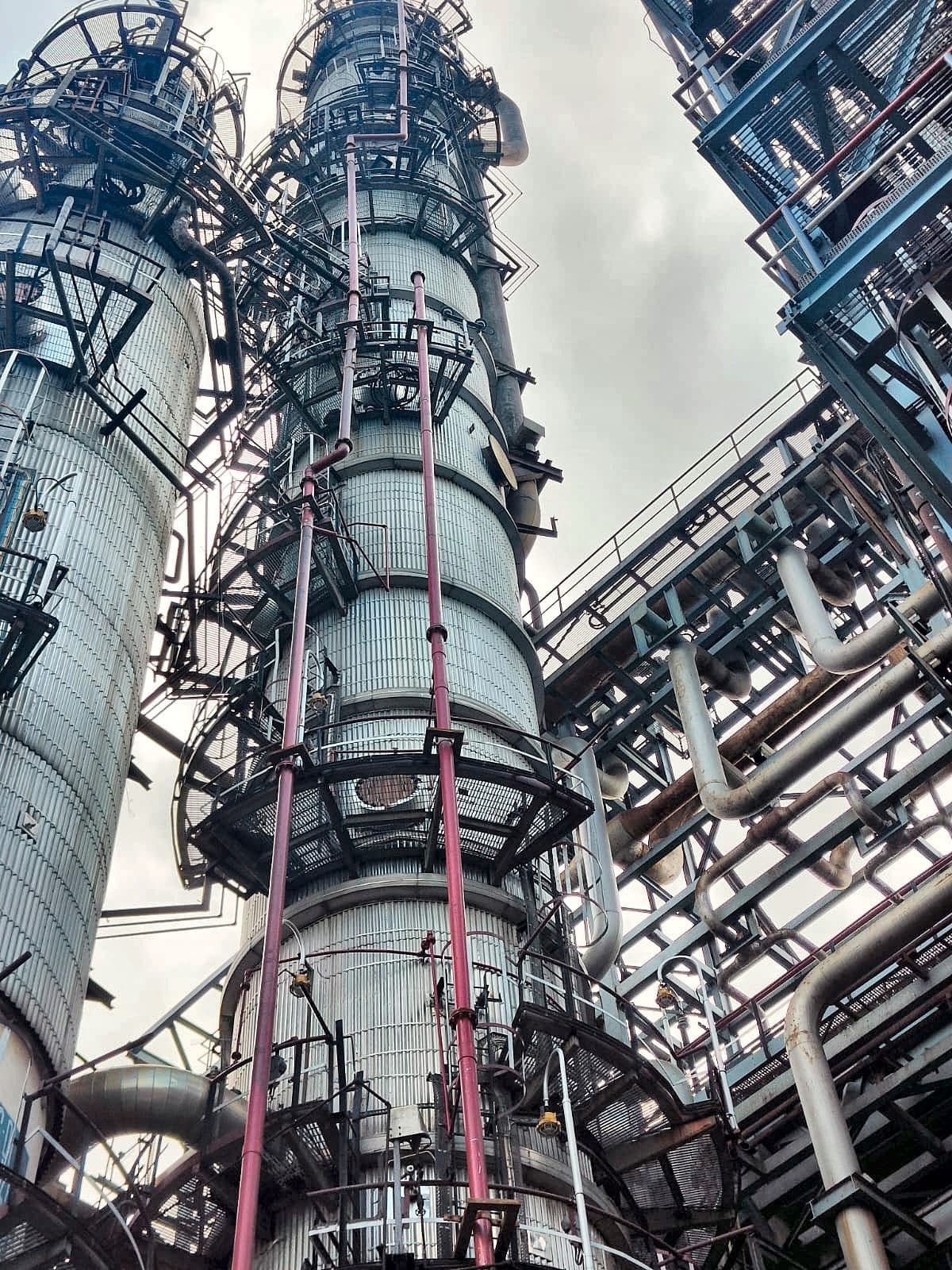
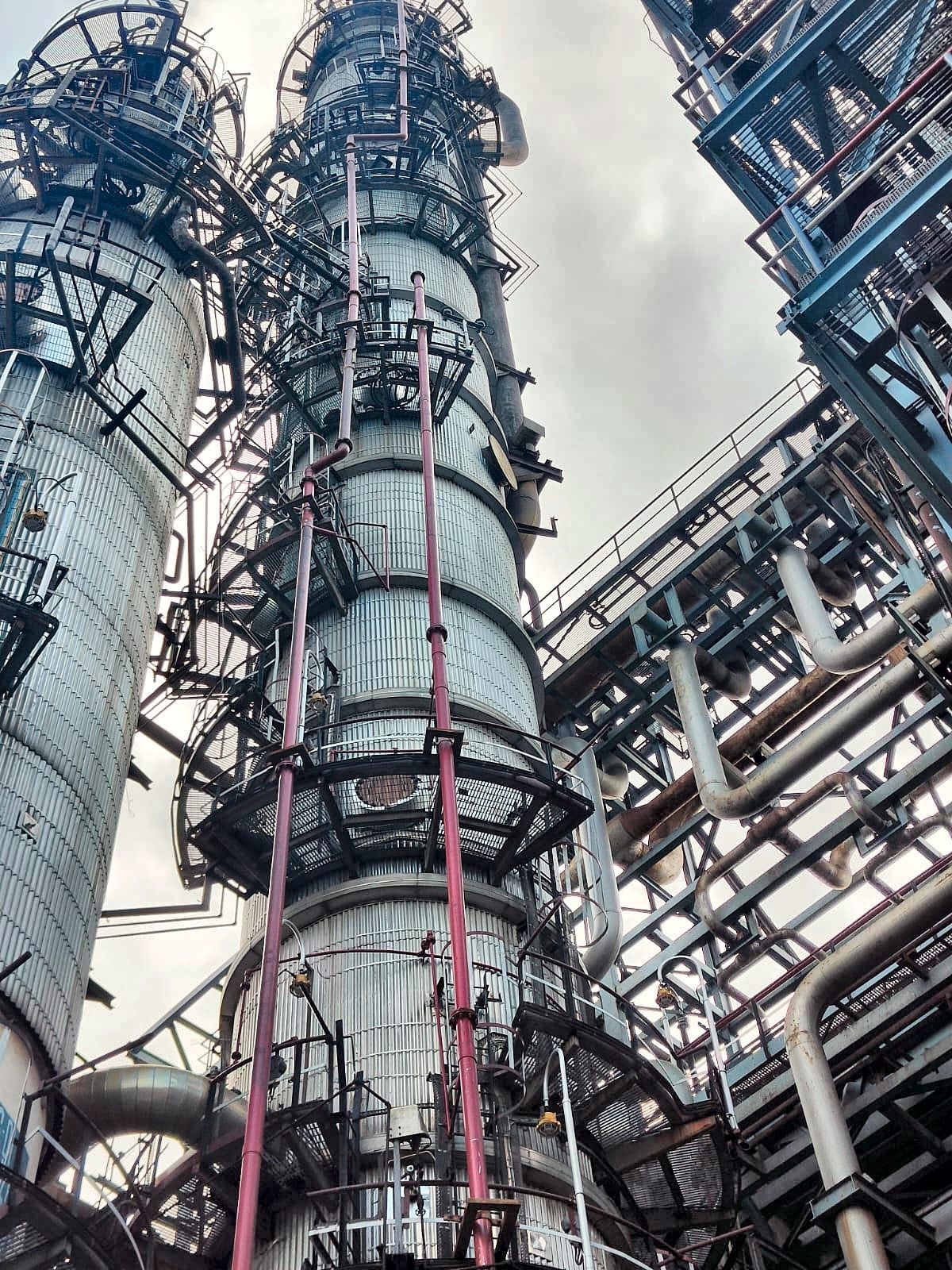
Water spray risers and ring headers on refinery process columns
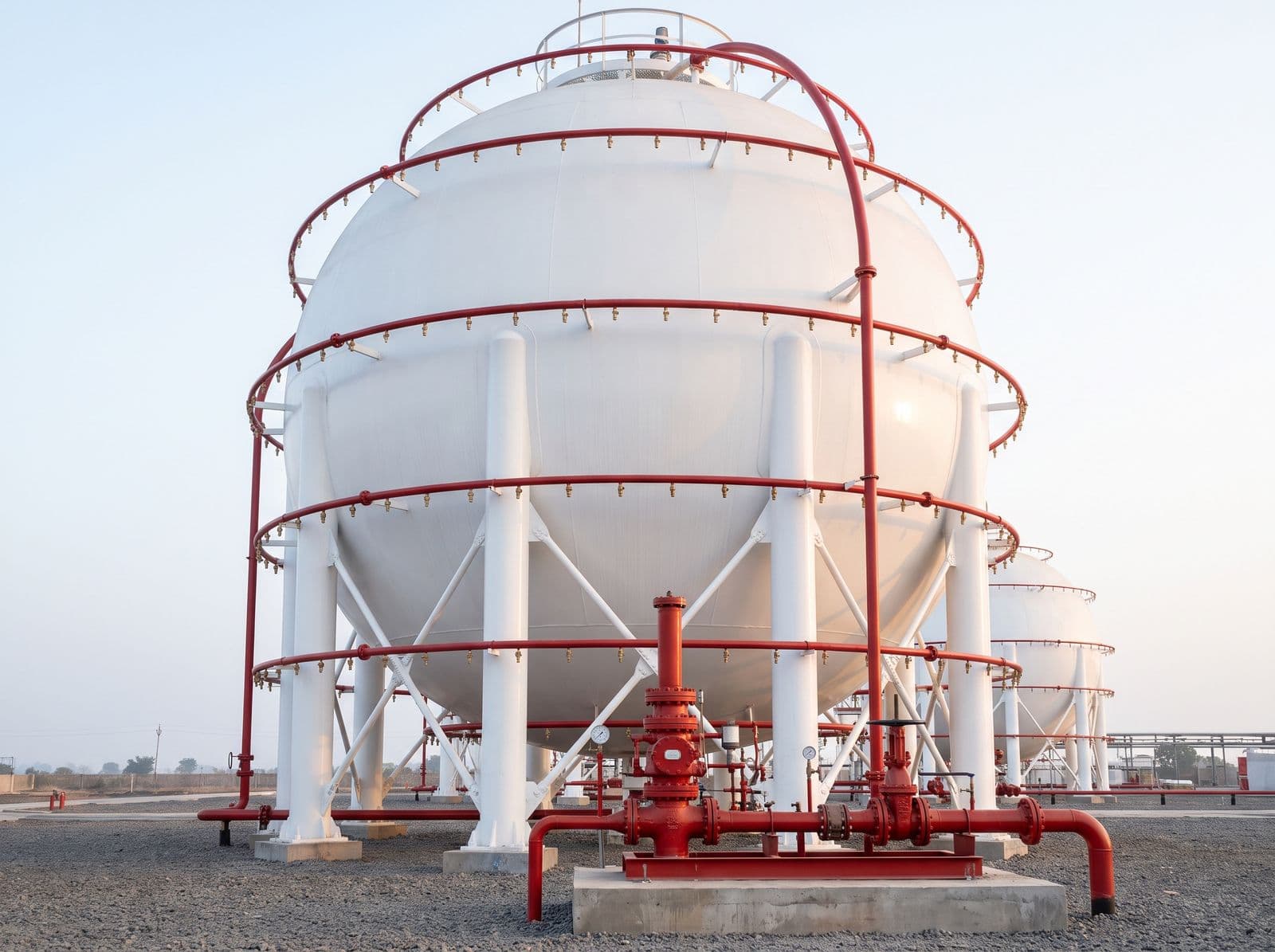
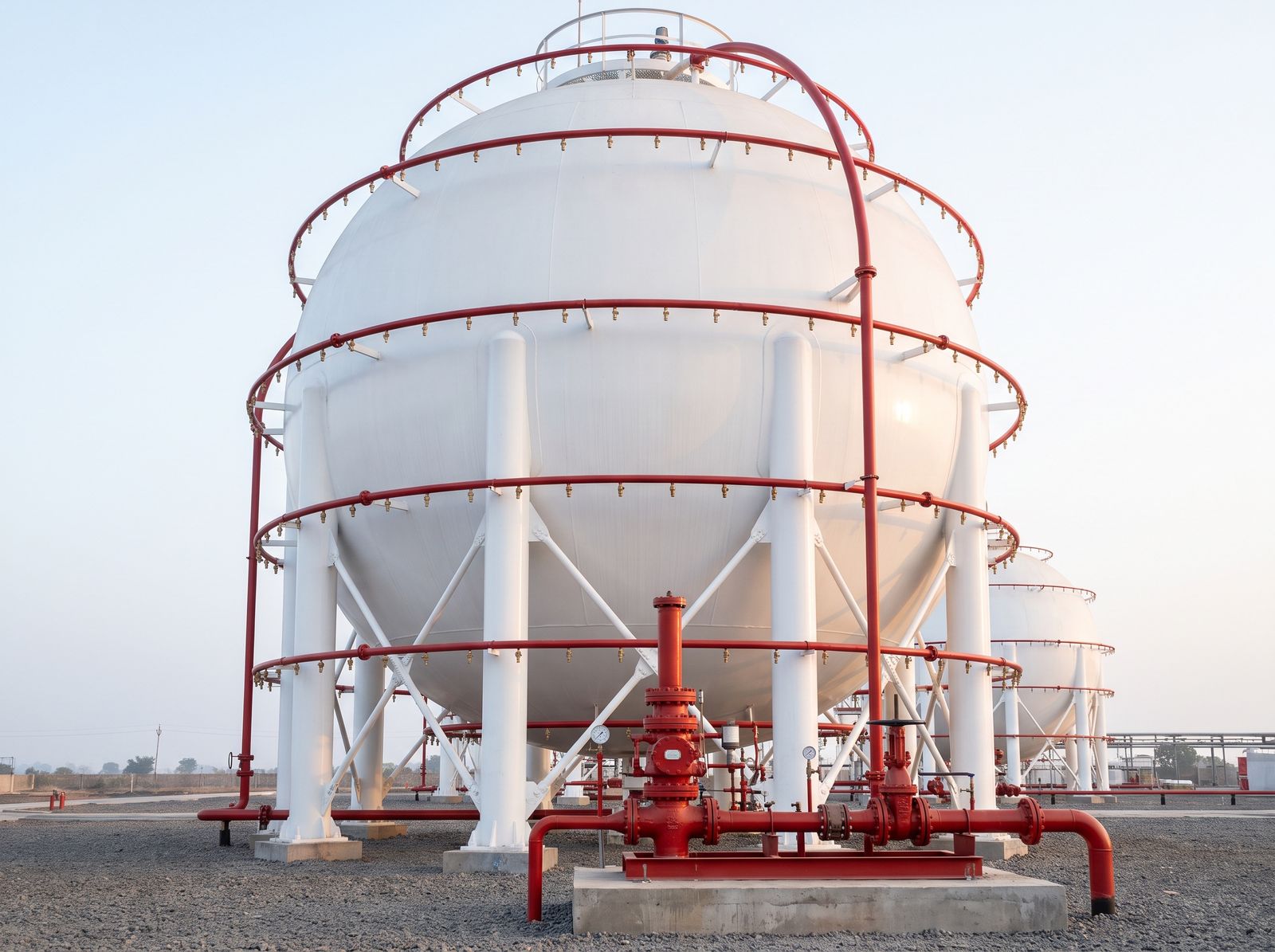
LPG Horton sphere with water spray ring headers and a deluge valve station
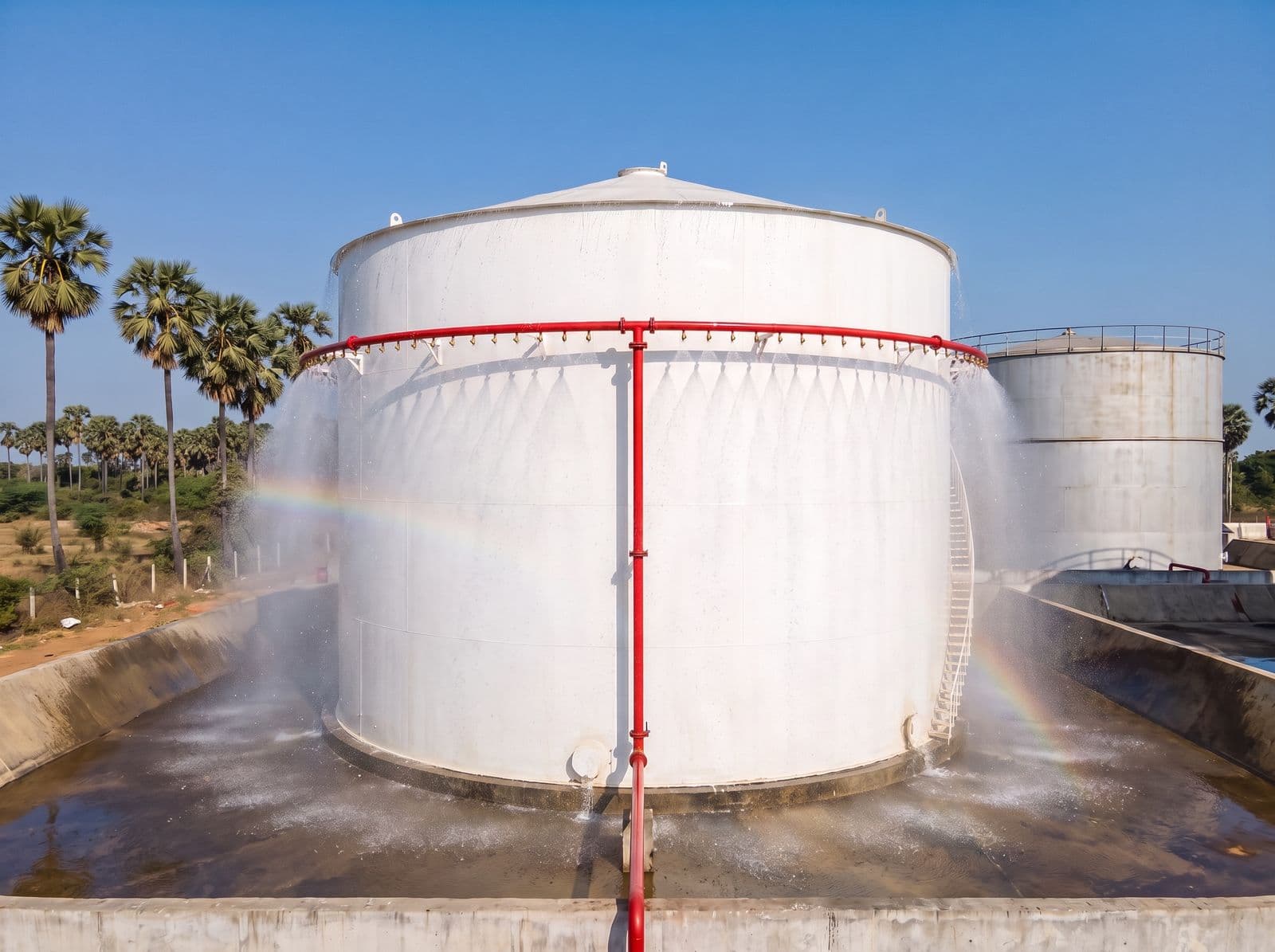
Tank cooling ring test, water spray wetting the shell of a storage tank
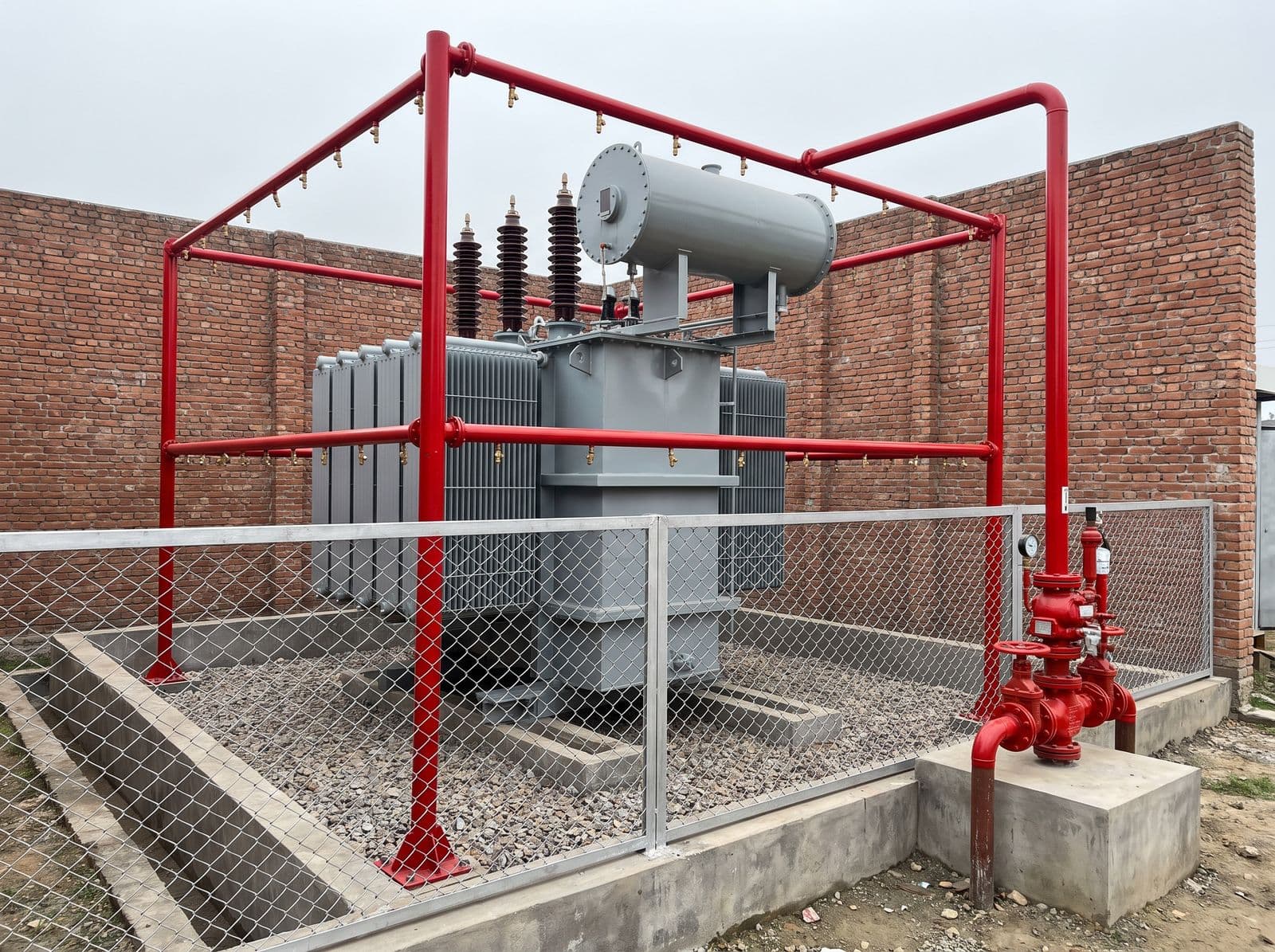
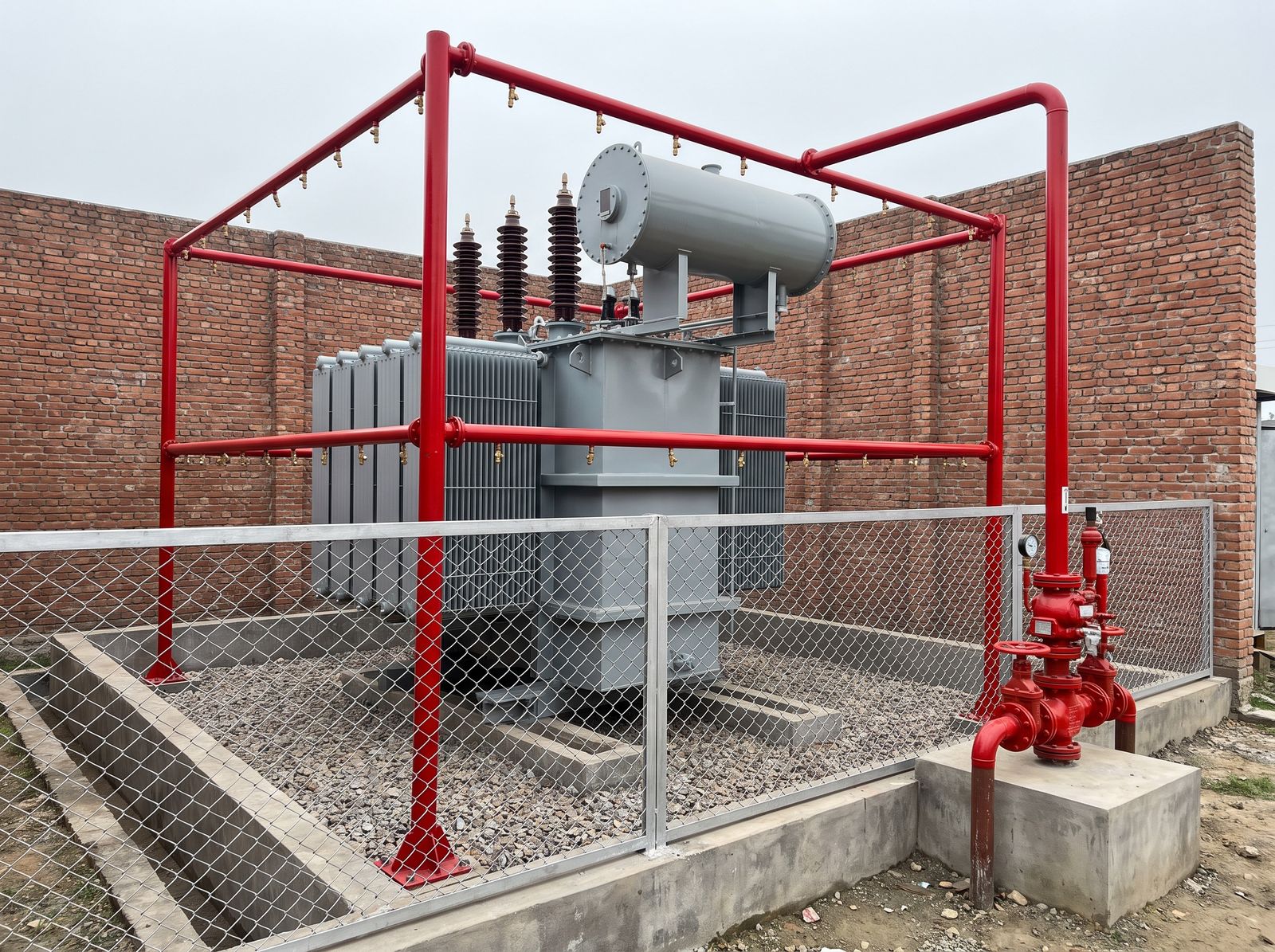
Power transformer protected by water spray ring headers with a deluge valve station
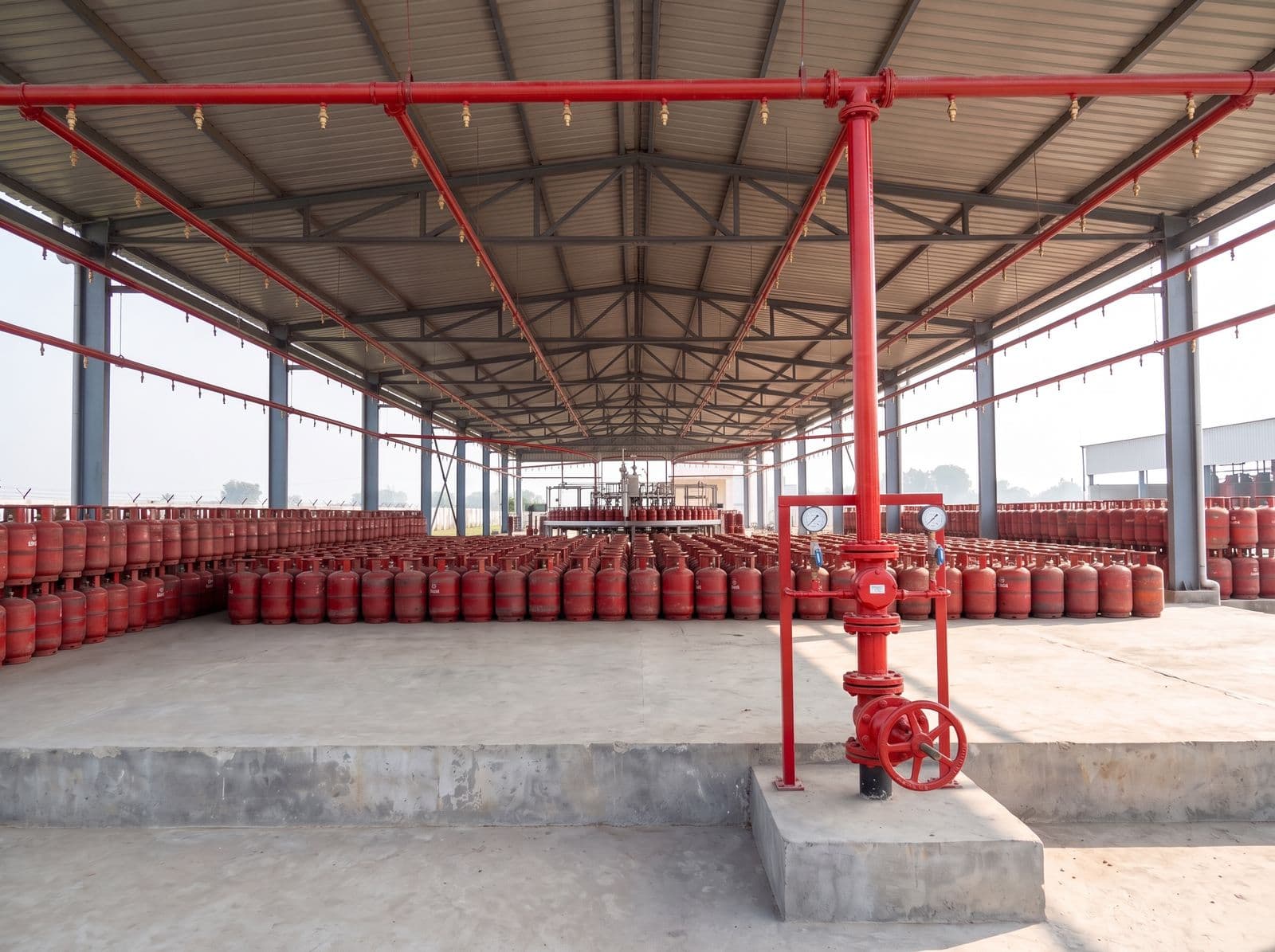
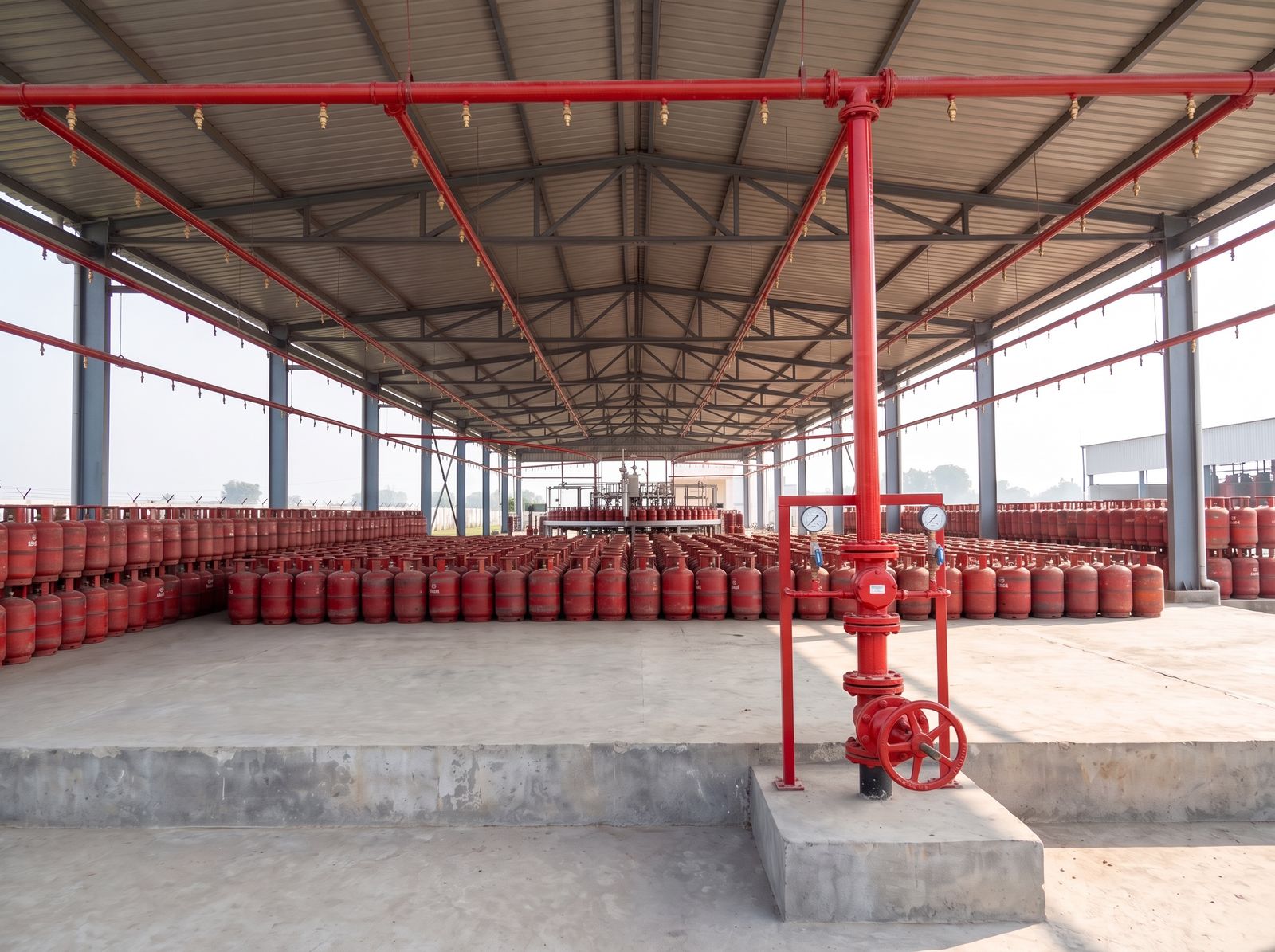
LPG cylinder storage shed with overhead water spray branch pipes and a deluge valve station
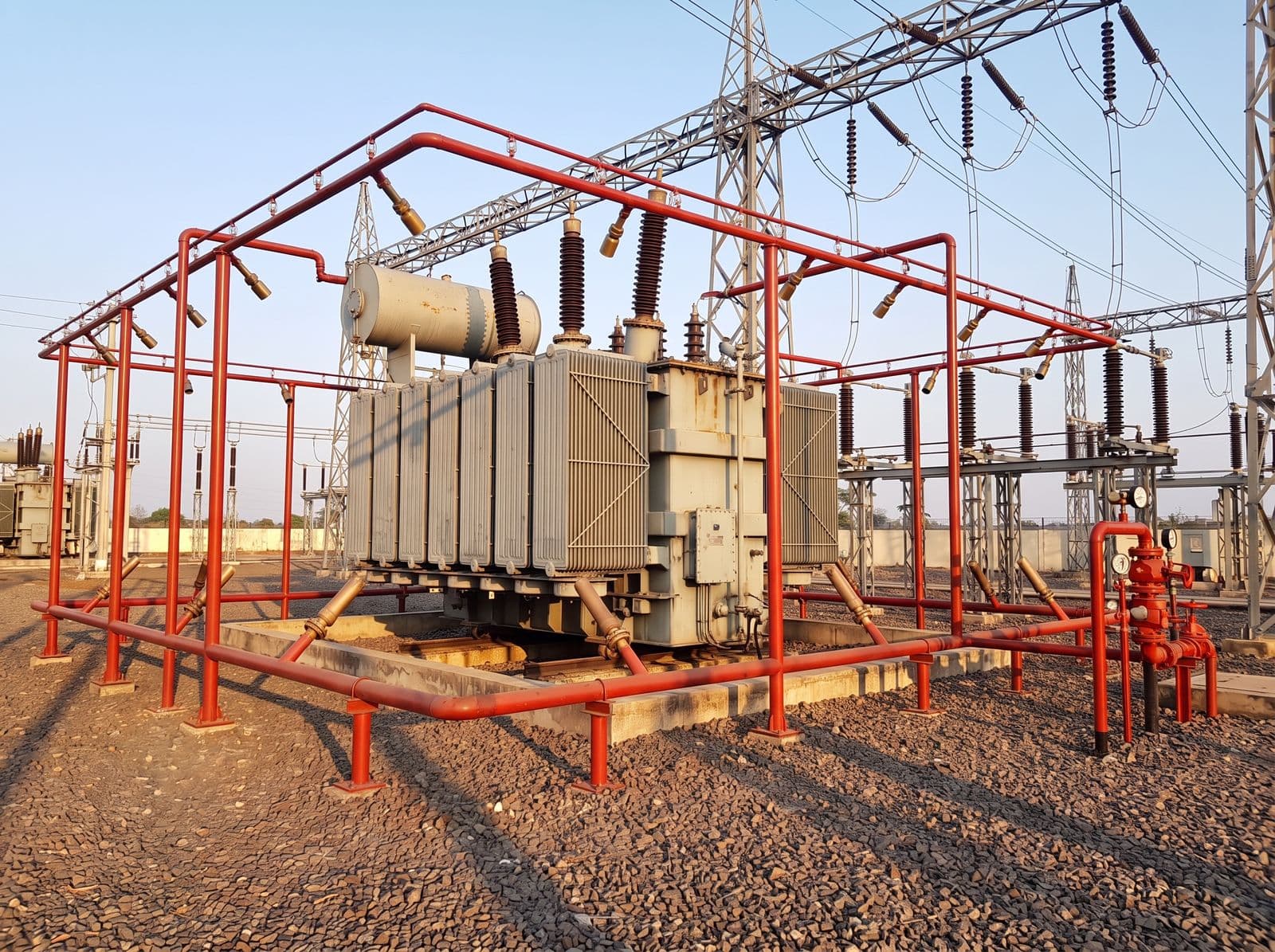
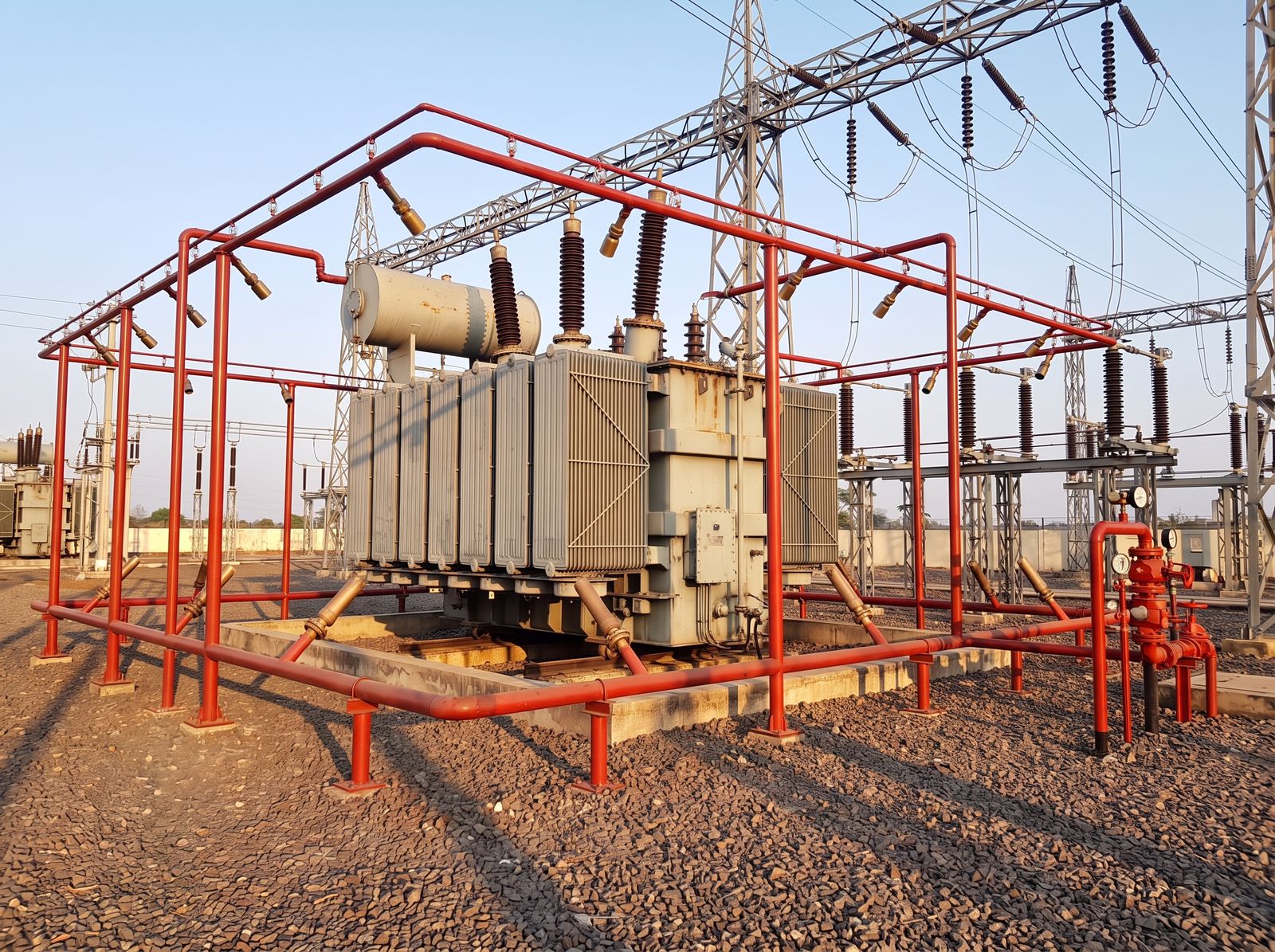
Switchyard power transformer protected by high velocity water spray projectors and a deluge valve
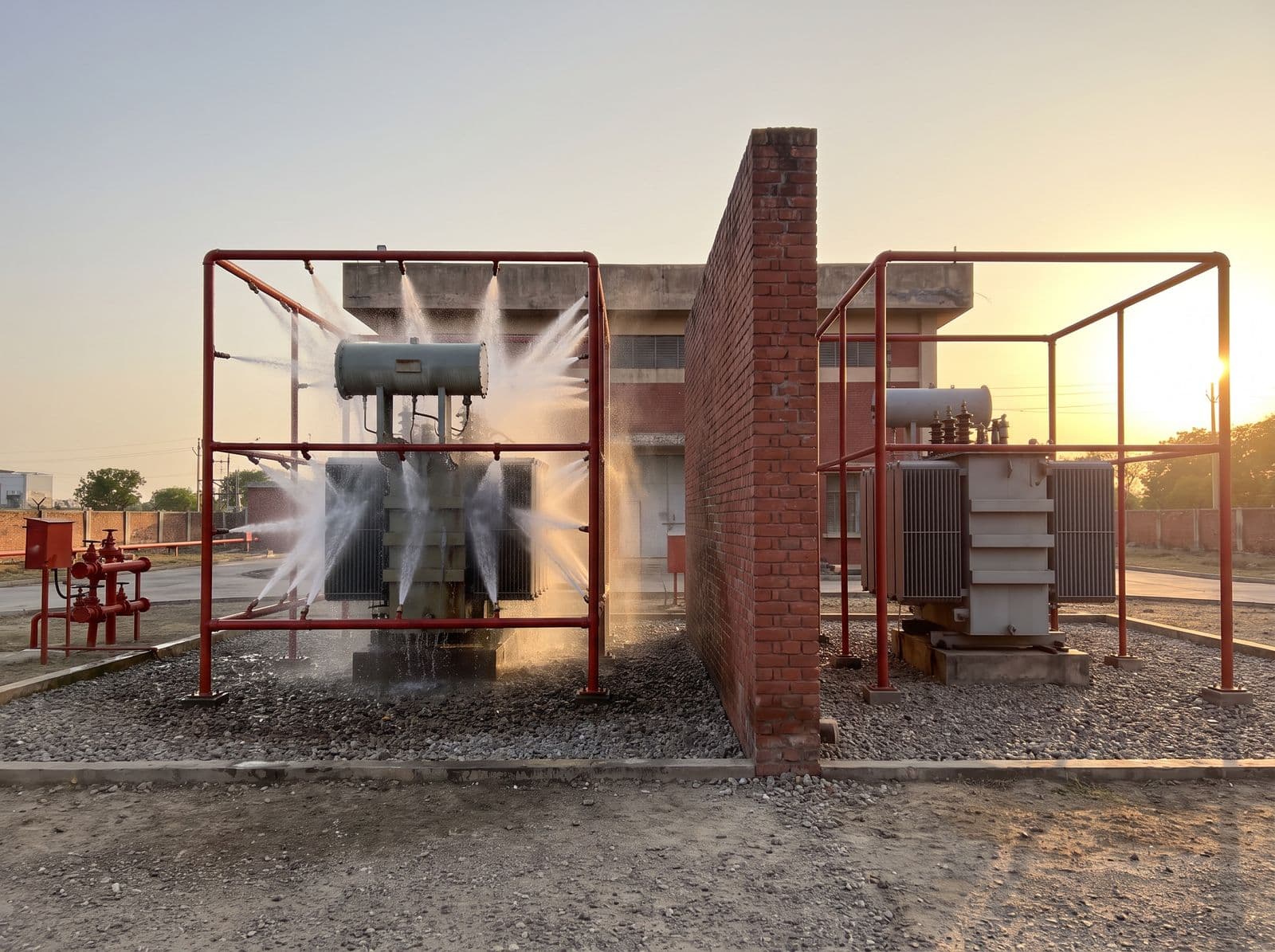
High velocity water spray commissioning test drenching a refinery transformer


Videos · 6
Deluge valve — on Vishwakarma Puja
The deluge valve, engineered for rapid and reliable fire protection.
MVWS nozzle — controlled discharge and coverage
A powerful, controlled water discharge and the coverage it gives.
MVWS nozzle — precision water flow
How the MVWS nozzle directs water where protection is needed.
Deluge valve — power, controlled
The deluge valve that releases water to a spray system when it is needed.
MVWS nozzle — when fire attacks
Targeted water discharge from an MVWS nozzle, shown on an industrial facility.
MVWS nozzle — Shubho Mahalaya
The MVWS nozzle, for refineries, industrial plants and critical infrastructure.
Why De’s Technico
Equipment from our own catalogue
Deluge valves, MVWS nozzles and strainers are made in our own works, so supply and execution answer to one schedule.
Built and tested in our works
Manufactured in two factory units of 48,000 and 30,000 sq ft, with in-house testing before despatch.
10 installations on record
Our project record lists 10 medium and high velocity water spray installations, from design through commissioning.
One contract, design to handover
A lump-sum turnkey scope on single-window responsibility: design, engineering, supply, installation and commissioning answer to one schedule.
Questions we are asked
MVWS or HVWS — which do we need?
MVWS cools and protects exposed surfaces such as vessels and structures; HVWS extinguishes oil fires on transformers and similar equipment by emulsifying the burning surface. Many sites use both.
Why is the pipework dry?
The nozzles are open, so the pipework stays dry until the deluge valve opens. That makes water spray suitable outdoors and in freezing conditions.
What releases the deluge valve?
A detection line — a pilot sprinkler line, linear heat cable or flame detectors — or a manual release. When it trips, the valve opens fully and water reaches every nozzle at once.
What density does a transformer need?
NFPA 15 sets 10.2 L/min/m² over the transformer and 6.1 L/min/m² over the non-absorbing ground around it.
Why is there a strainer before the nozzles?
Small nozzle orifices block easily. NFPA 15 calls for a strainer on systems with small orifices and where the water may carry debris.
Related systems
Projects with this system
 GAIL
GAILHigh velocity water spray system — GAIL
High velocity water spray (HVWS) system for GAIL at Vijaipur. · Vijaipur
 Tata Steel
High velocity water spray system — Tata Steel
High velocity water spray (HVWS) system for Tata Steel at Joda Mine. · Joda Mine
 Tata Cummins
High velocity water spray system — Tata Cummins
High velocity water spray (HVWS) system for Tata Cummins at Jamshedpur. · Jamshedpur
 IOCL
IOCLHigh velocity water spray system — IOCL
High velocity water spray (HVWS) system for IOCL at three sites. · Panipat, Haldia Refinery, Digboi
 Berger Paints
Medium velocity water spray system — Berger Paints
Medium velocity water spray (MVWS) system for Berger Paints at three sites. · Sandila, Shibpur, Anand
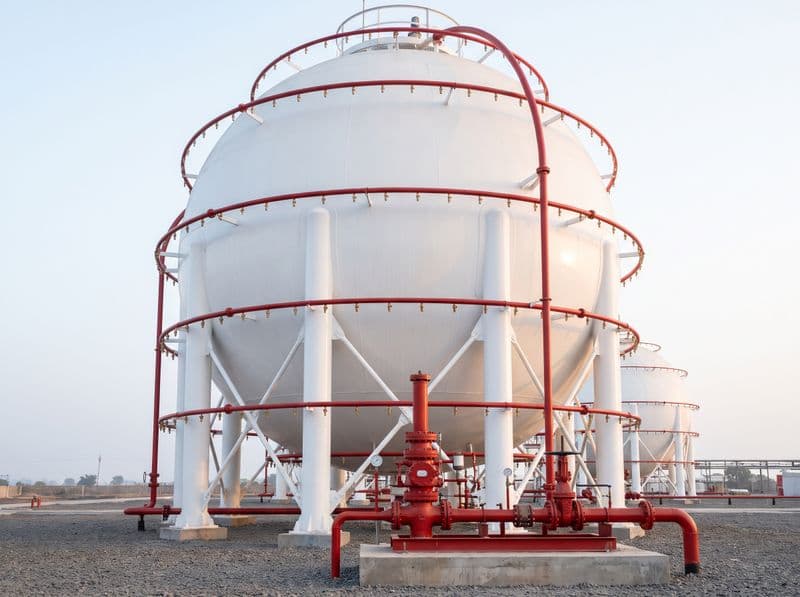 GAIL
GAILMedium velocity water spray system — GAIL
Medium velocity water spray (MVWS) system for GAIL at Vijaipur. · Vijaipur
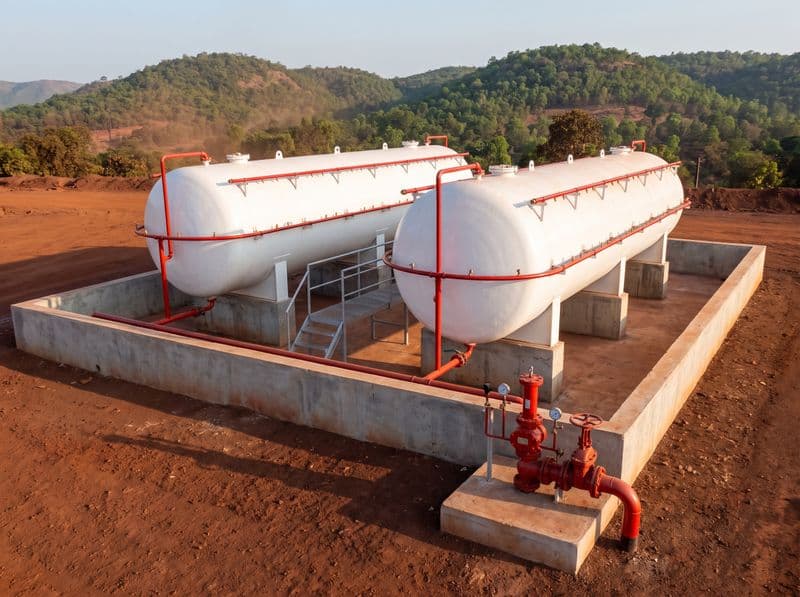 Tata Steel
Medium velocity water spray system — Tata Steel
Medium velocity water spray (MVWS) system for Tata Steel at Joda Mine. · Joda Mine
 BPCL
BPCLMedium velocity water spray system — BPCL
Medium velocity water spray (MVWS) system for BPCL at eight sites. · Tuticorin, Solur, Gummidipoondi, Cherlapally, Patna, Vijayawada, Hariyala, Rajkot
 IOCL
IOCLMedium velocity water spray system — IOCL
Medium velocity water spray (MVWS) system for IOCL at five sites. · PJPL, Panipat Refinery, Barauni Refinery, Tikrikalan bottling plant, Kalyani
 Oil India
Medium velocity water spray system — Oil India
Medium velocity water spray (MVWS) system for Oil India at Duliajan. · Duliajan
Considering us for a turnkey scope?
Send the hazard, the code and the site. Our engineers reply with a scheme and a price.