
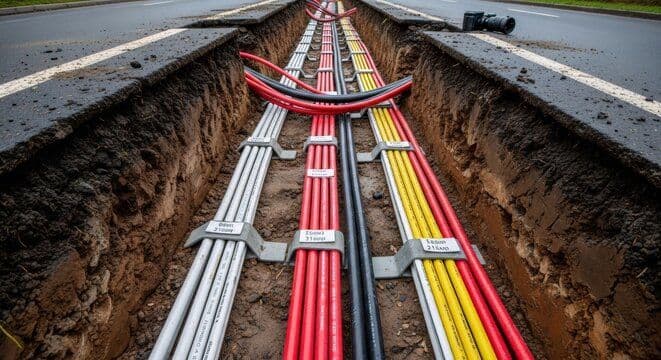
Cable Galleries / Trenches
Linear heat detection with water spray or clean agent.
At a glance
- Hazard family
- Electrical & process
- Protected by
- Water spray, Clean agent, Fire alarm, CO₂, Water mist
- Designed to
- NFPA 15, NFPA 12, NFPA 2001, NFPA 72
- Water spray on cable trays
- 12.2 L/min/m²
Design basis
- Water spray on cable trays
- 12.2 L/min/m²NFPA 15
- CO₂, deep-seated fire (dry electrical)
- 50% design concentration, within 7 minutesNFPA 12
- Clean agent hold time
- At least 10 minutesNFPA 2001
Standards that apply
- NFPA 15Water spray fixed systems for fire protection.
- NFPA 12Carbon dioxide extinguishing systems.
- NFPA 2001Clean agent fire extinguishing systems.
- NFPA 72Fire alarm and signalling.
The risk
A cable gallery is a long run of fuel: every metre of cable insulation burns, and a fire travels along the trays faster than people can follow it in a confined, smoke-filled space.
The damage outlasts the fire. Power and control cables for a whole plant can run through one gallery, and losing them stops the plant.
The scheme
Detect along the whole run and suppress where the cables are:
- Linear heat detection cable along the trays, locating a fire to its zone.
- Water spray onto the trays, or clean agent or CO₂ where the gallery is enclosed and normally unoccupied.
- Fire stops at walls and floors to keep the fire in its section.
- Detection and alarm linked to the control room, with access for firefighting at each section.

Systems that apply
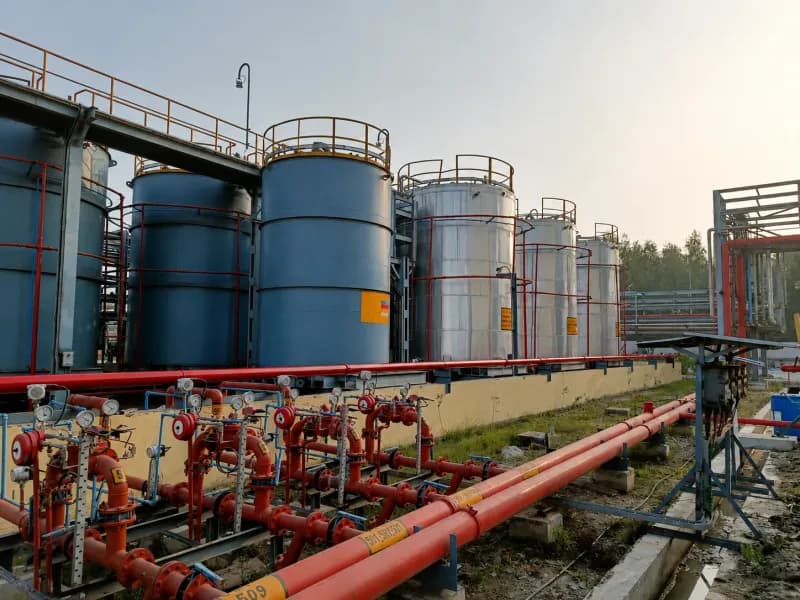 NFPA 15
Fire Water Spray System
Medium and high velocity spray for vessels, transformers and process equipment.
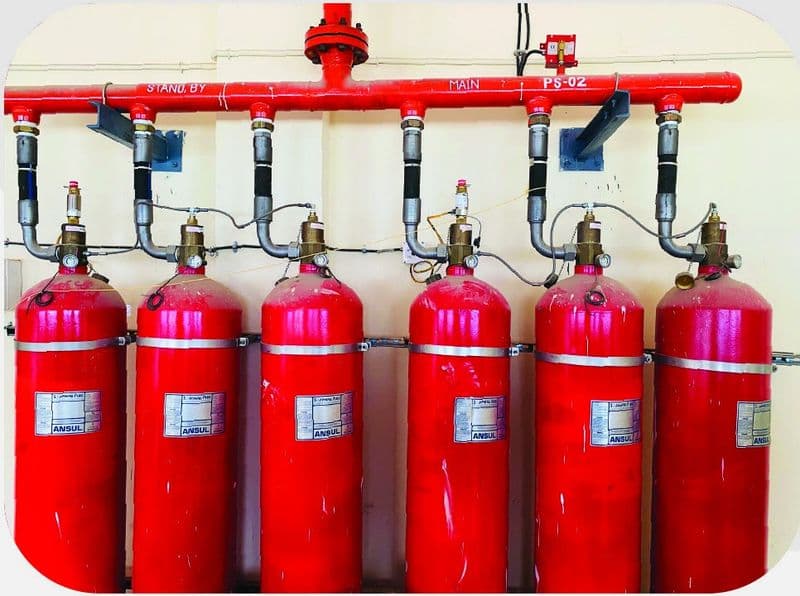 NFPA 2001
Clean Agent Fire Suppression
Gaseous suppression for control rooms, server rooms and cable galleries.
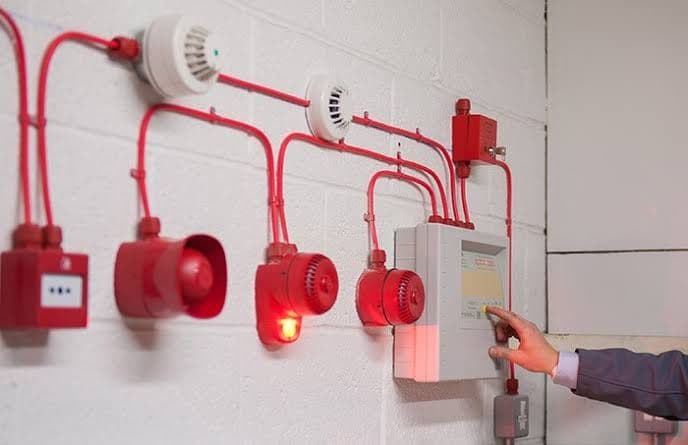 NFPA 72
Fire Detection & Alarm System
Detection and alarm, supplied and integrated under the same contract as the suppression system.
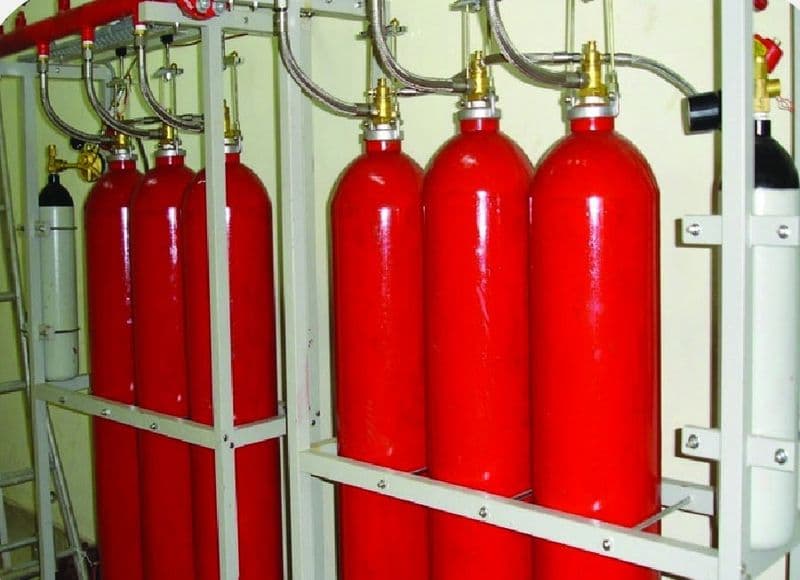 NFPA 12
CO₂ Fire Suppression System
Total flooding carbon dioxide for unoccupied electrical and machinery spaces.
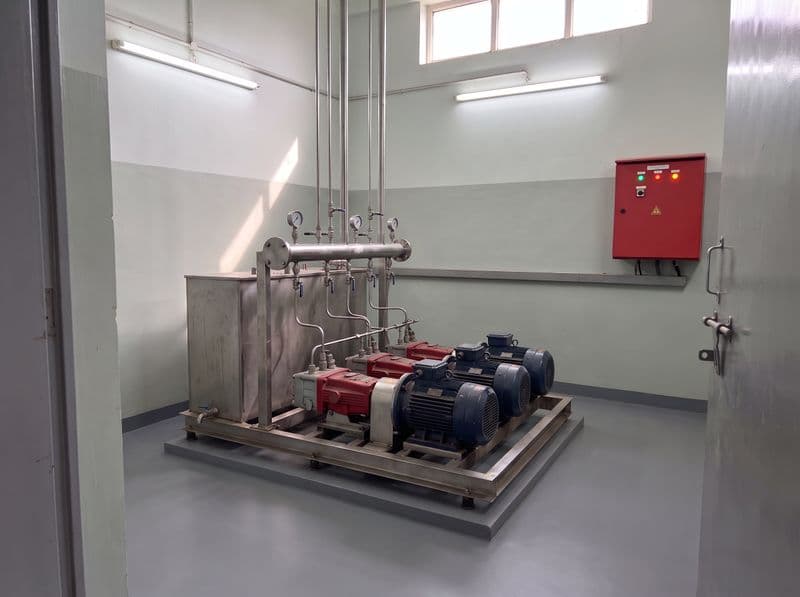 NFPA 750
Water Mist System
Fine water mist for turbines, machinery spaces, cable tunnels and electrical rooms.
Products used
Deluge Valves & Systems · 9
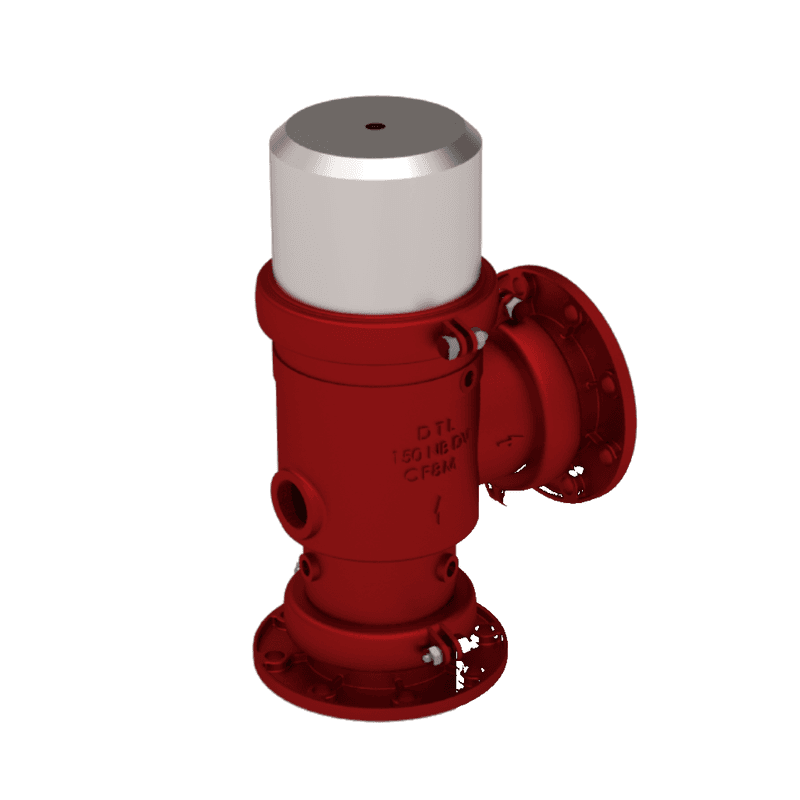

Deluge Valve Cast Carbon Steel (Model PD-CS)
Cast carbon steel, 80 to 200 mm, 250 psi
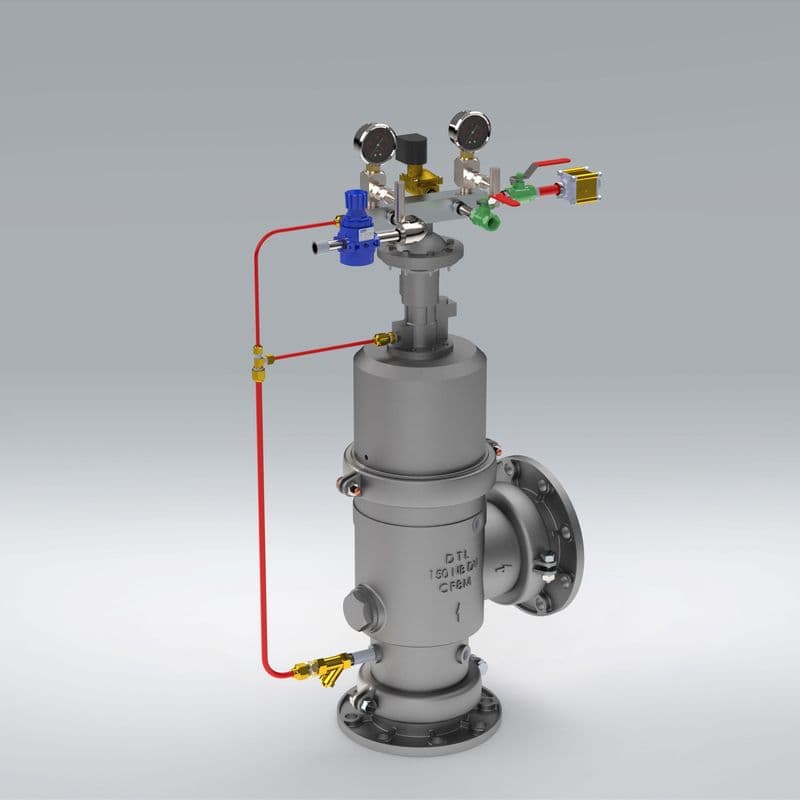
Deluge Valve Cast Stainless Steel (Model PD-SS)
Cast stainless steel, 80 to 200 mm, 250 psi
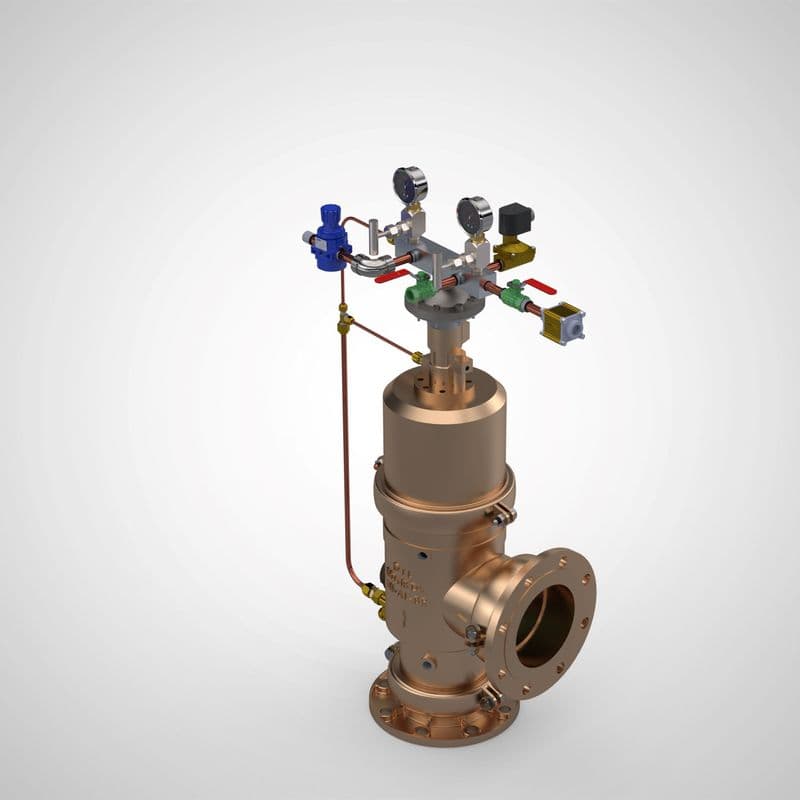
Deluge Valve Aluminium Bronze (Model PD-AB)
Aluminium bronze, 80 to 200 mm, 250 psi
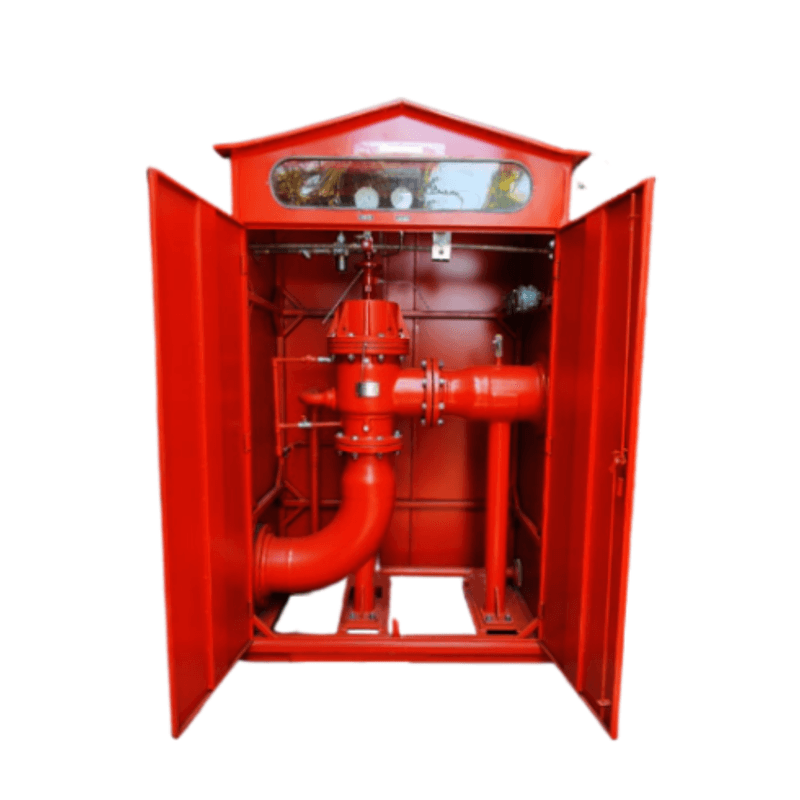
Deluge Valve Skid Cabinet
Pre-assembled and factory tested, with bypass
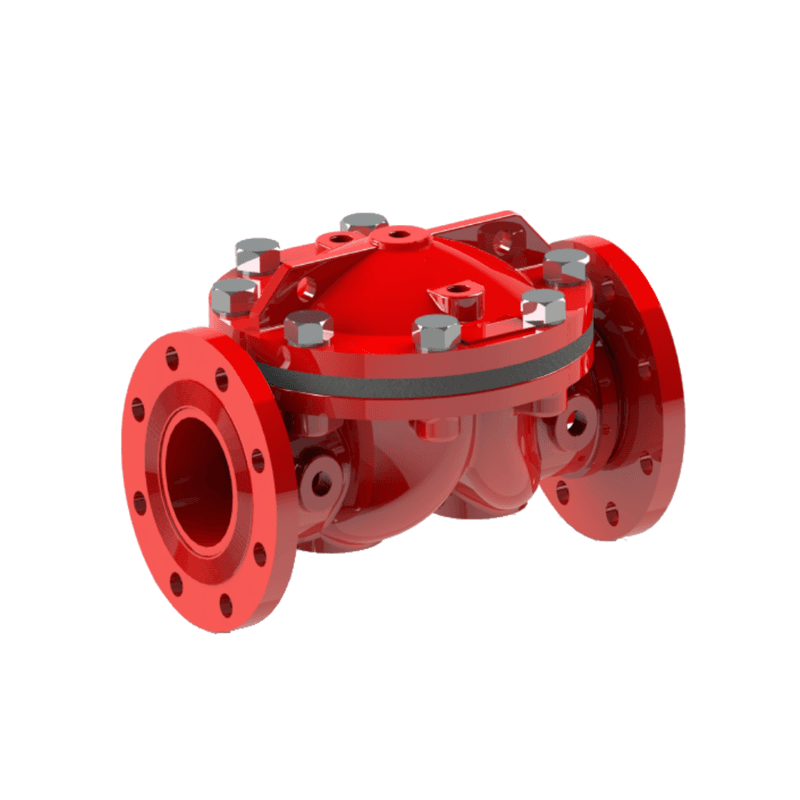
Deluge Valve Cast Carbon Steel (Model PD-ILV)
Inline globe pattern, cast carbon steel
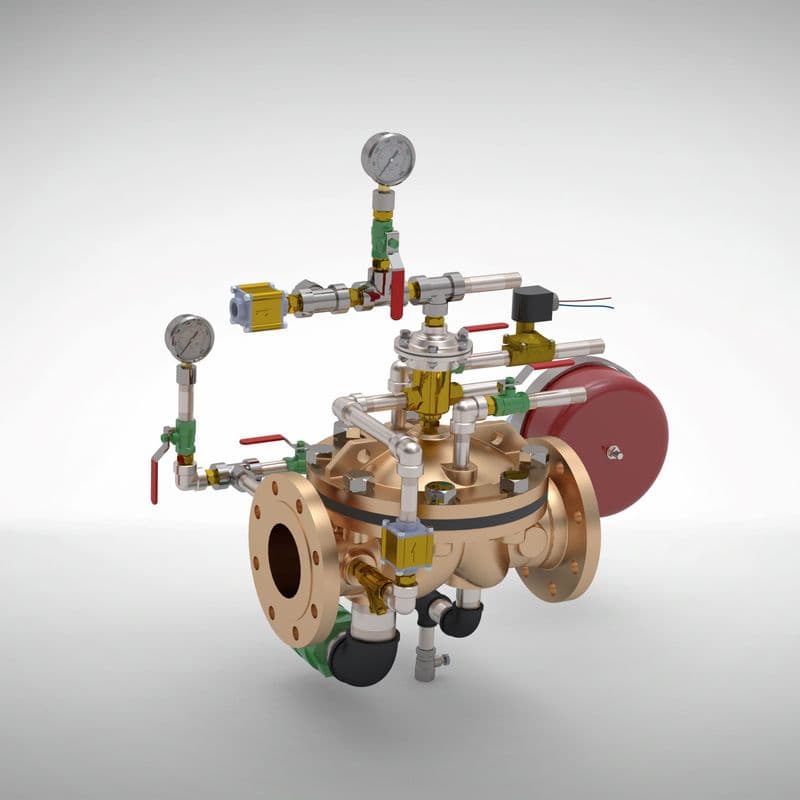
Deluge Valve Aluminium Bronze (Model PD-ILVAB)
Inline globe pattern, aluminium bronze
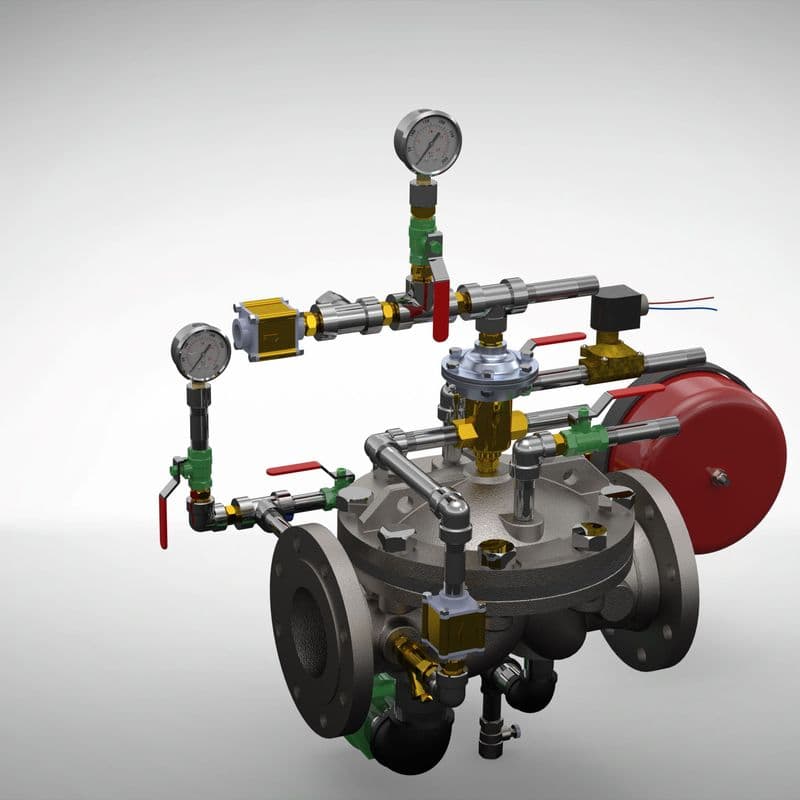
Deluge Valve Cast Stainless Steel (Model PD-ILVS)
Inline globe pattern, cast stainless steel

Deluge Valve
Dry pilot, wet pilot and electric release
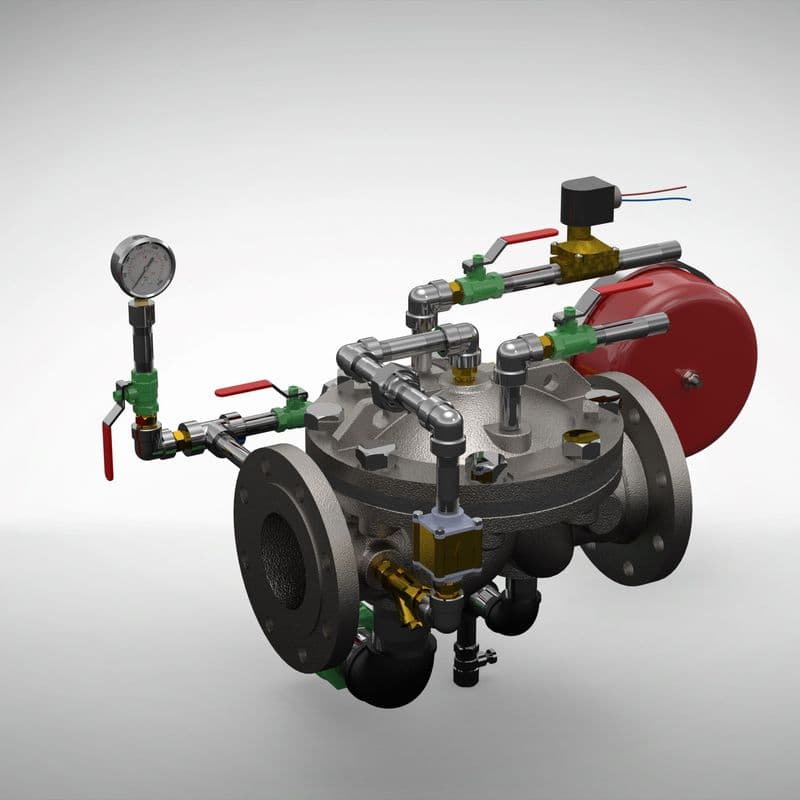
Wet Pilot Inline Deluge Assembly (Stainless Steel)
PD-ILVS with wet pilot trim, 80 to 200 mm
Spray Nozzles · 3
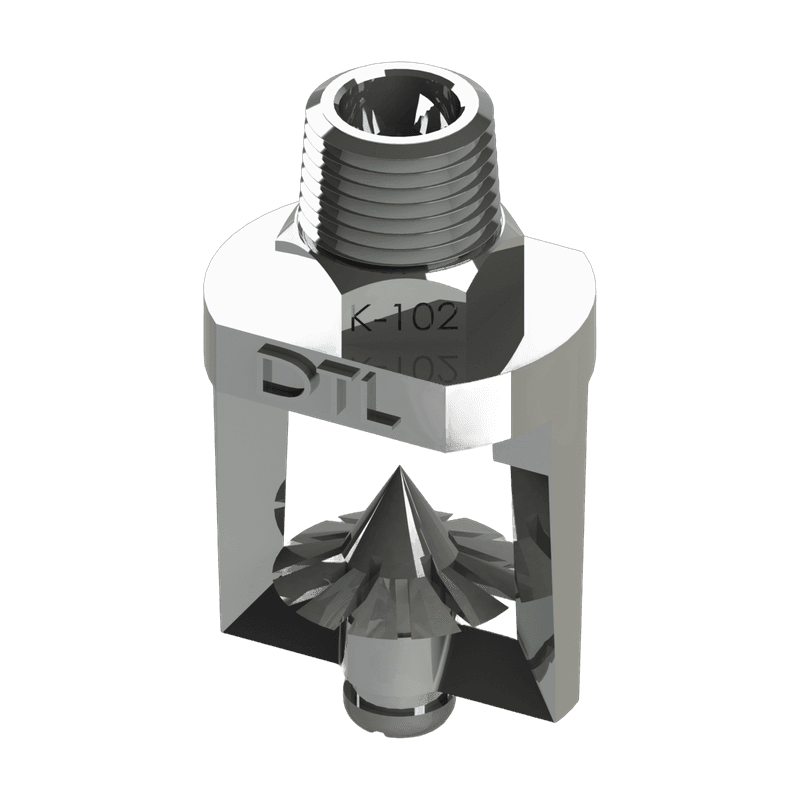
MVWS Nozzle Stainless Steel
Stainless steel 316, K-18 to K-102, 65° to 160°
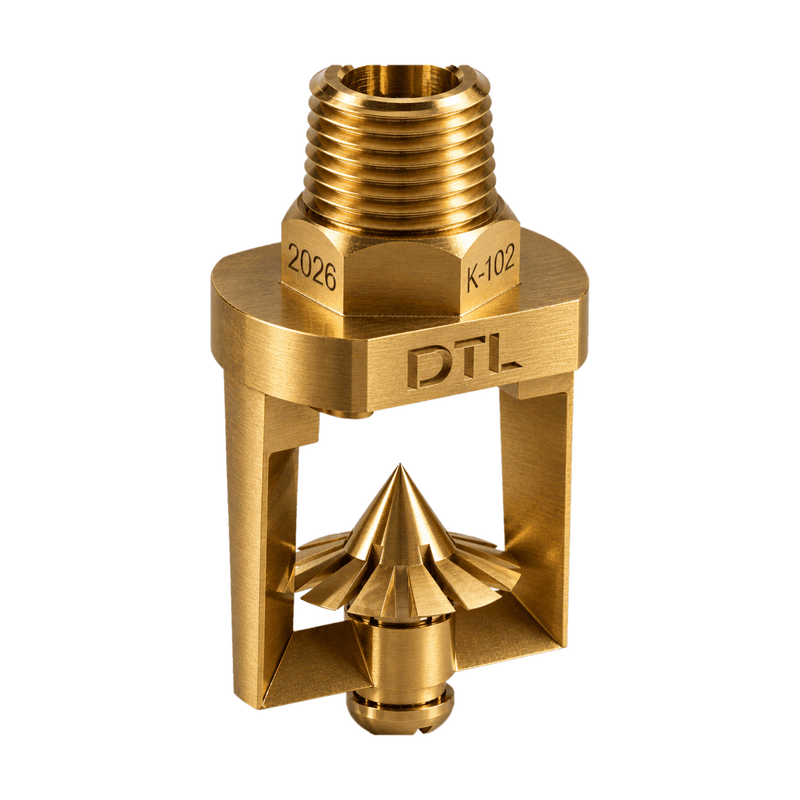
MVWS Nozzle Brass
Brass, K-18 to K-102, 65° to 160°
MVWS Nozzle
Brass or stainless steel 316, K-18 to K-102
Strainers · 6
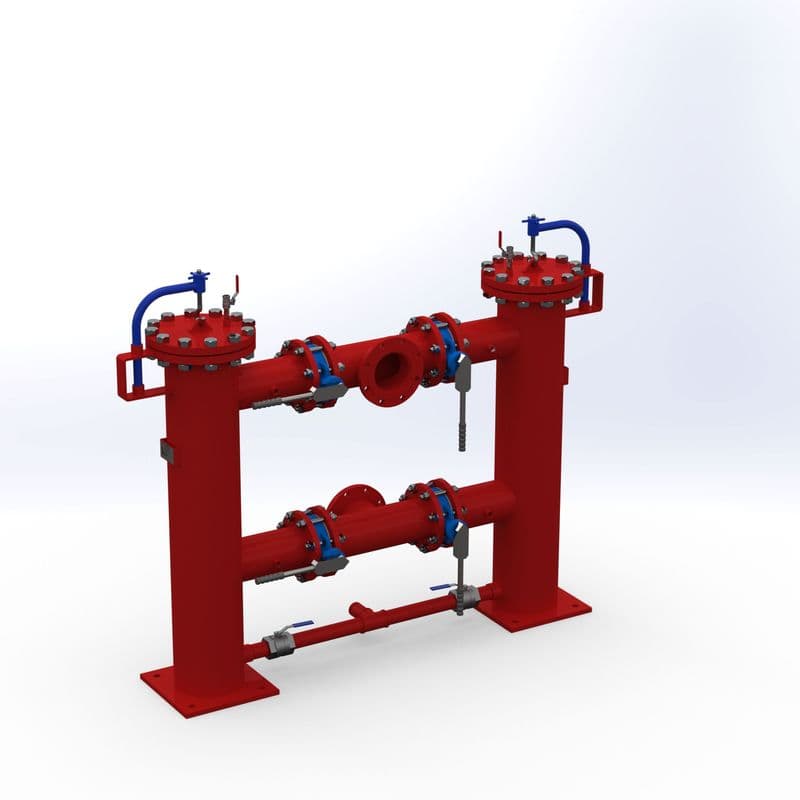
Fabricated Duplex Strainer
Twin baskets, cleaned without shutting down
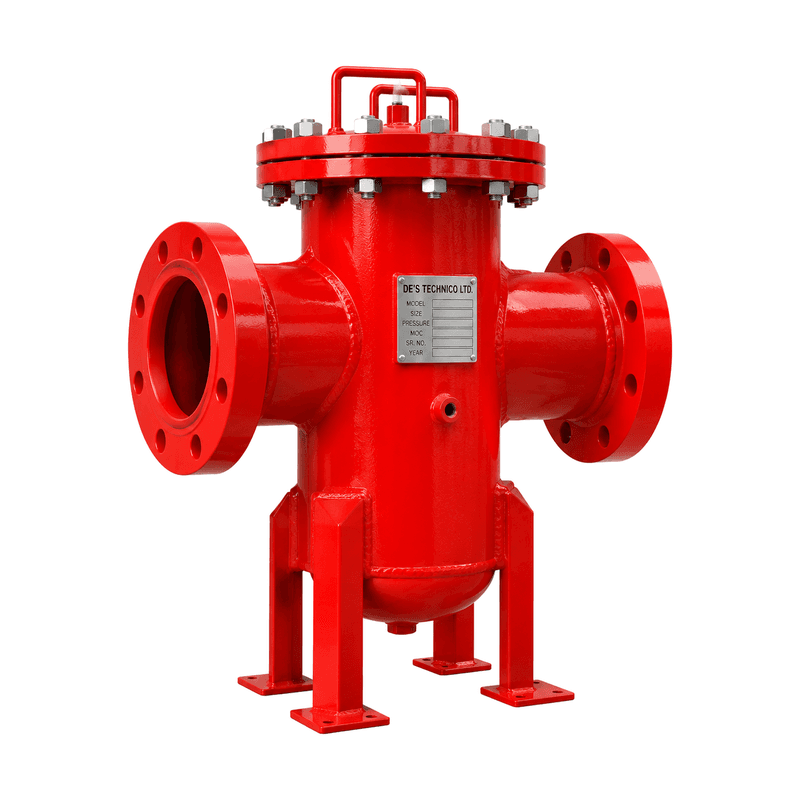
Fabricated Basket Strainer
Top-removal basket, 2" to 24"
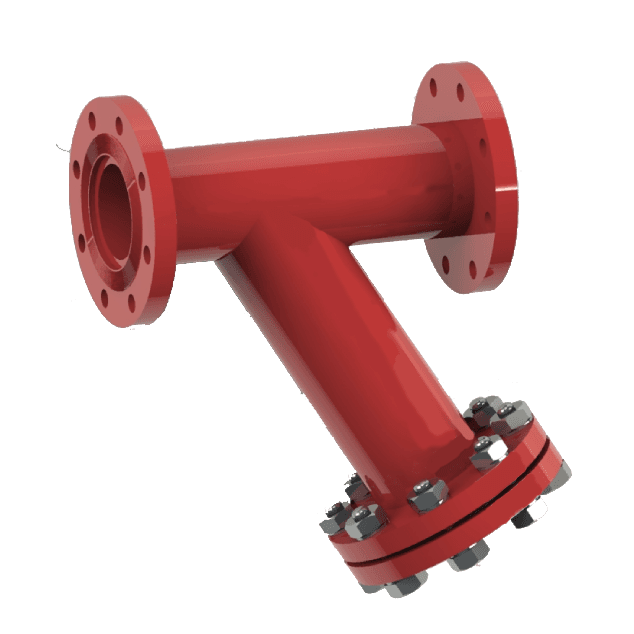
Fabricated Y Strainer
1" to 24", ASME Class 150 to 2500
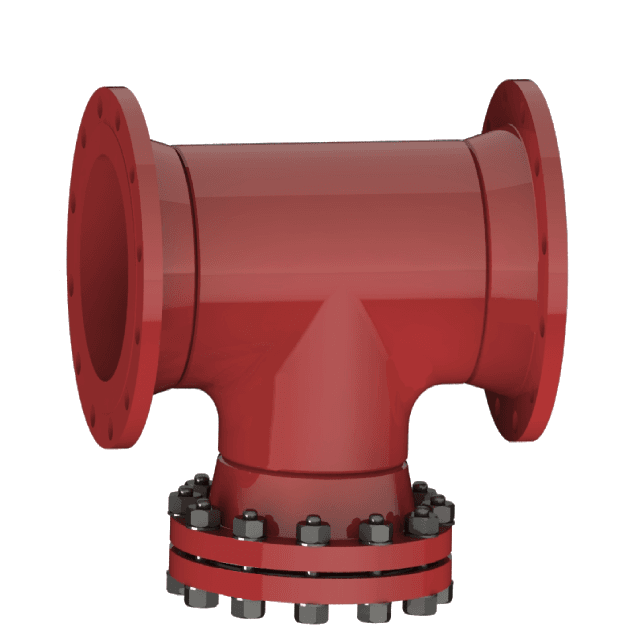
Fabricated Tee Strainer
Graded filtration, 2" to 24", ASME 150 to 600
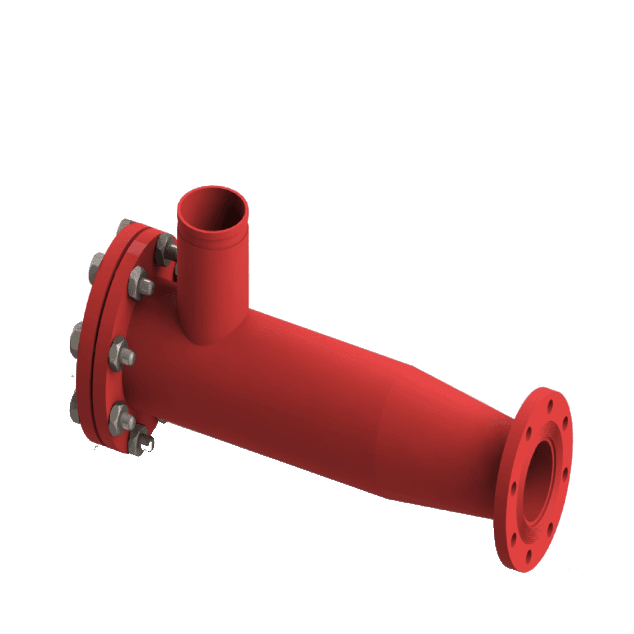
Fabricated Inline Strainer
Inline, 15 to 150 mm, 40 to 100 mesh
Strainer
Y-type, 1" to 24", threaded, socket weld or flanged
Questions we are asked
Water spray or gas for a cable gallery?
Water spray suits galleries that are open or large; clean agent or CO₂ suits galleries that can be sealed and are normally unoccupied.
How is a fire found in a long gallery?
Linear heat detection cable along the trays senses heat over its whole length and locates the fire to a zone.
Why fit fire stops?
A cable fire travels along the trays; fire stops at walls and floors keep it in one section.
Related hazards
Projects on this hazard
 Tata Steel
High velocity water spray system — Tata Steel
High velocity water spray (HVWS) system for Tata Steel at Joda Mine. · Joda Mine
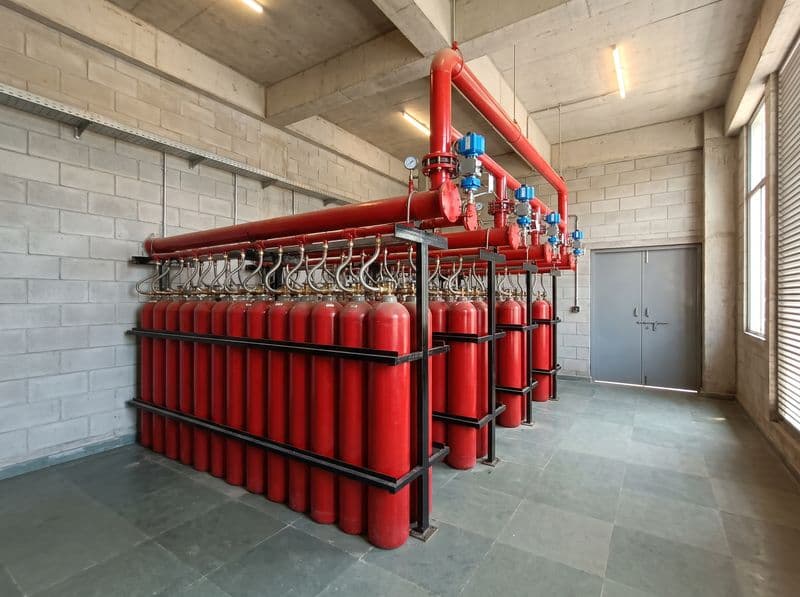 MECON
Inert gas based fire suppression system — MECON
Inert gas based fire suppression system for MECON at Ranchi. · Ranchi
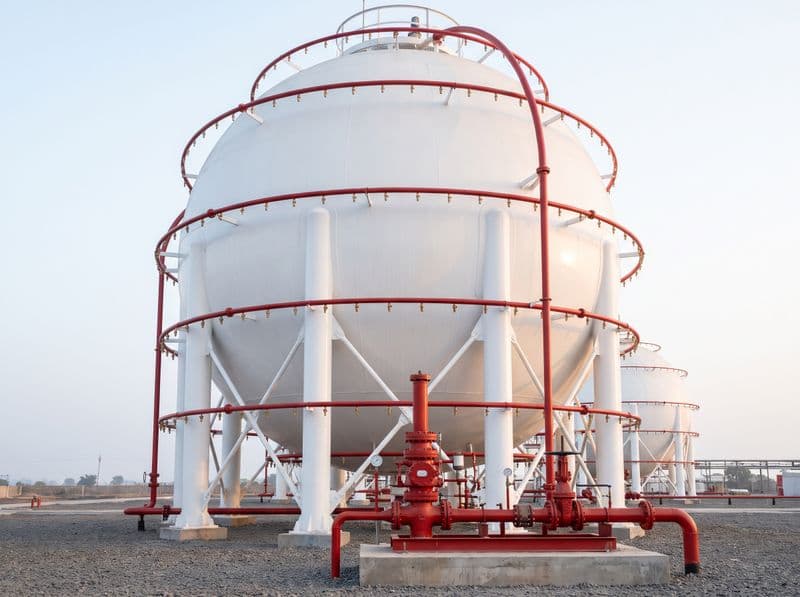 GAIL
Medium velocity water spray system — GAIL
Medium velocity water spray (MVWS) system for GAIL at Vijaipur. · Vijaipur
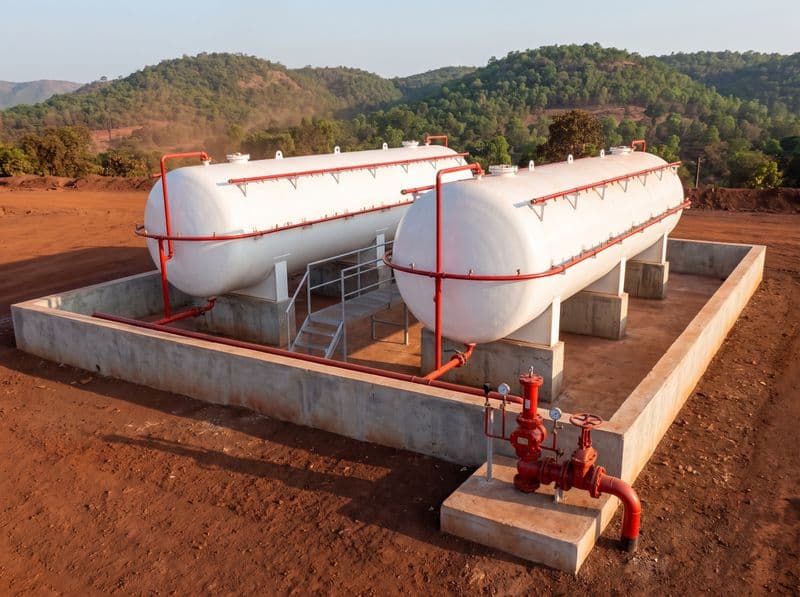
 ONGC
Inert gas based fire suppression system — ONGC
Inert gas based fire suppression system for ONGC at four sites. · Geleki, Bokaro, Tripura, Mehsana Asset
 Tata Steel
Medium velocity water spray system — Tata Steel
Medium velocity water spray (MVWS) system for Tata Steel at Joda Mine. · Joda Mine
 GAIL
Fire detection and alarm system — GAIL
Fire detection and alarm system for GAIL at two sites. · Vijaipur, Gandhar
 GAIL
High velocity water spray system — GAIL
High velocity water spray (HVWS) system for GAIL at Vijaipur. · Vijaipur
 Tata Motors
Inert gas based fire suppression system — Tata Motors
Inert gas based fire suppression system for Tata Motors at Jamshedpur. · Jamshedpur
 Tata Cummins
High velocity water spray system — Tata Cummins
High velocity water spray (HVWS) system for Tata Cummins at Jamshedpur. · Jamshedpur
 RINL
Inert gas based fire suppression system — RINL
Inert gas based fire suppression system for RINL at Visakhapatnam Steel Plant. · Visakhapatnam Steel Plant
 Oil India
Medium velocity water spray system — Oil India
Medium velocity water spray (MVWS) system for Oil India at Duliajan. · Duliajan
 Airports Authority of India
Fire detection and alarm system — Airports Authority of India
Fire detection and alarm system for Airports Authority of India at Kolkata. · Kolkata
 IOCL
Medium velocity water spray system — IOCL
Medium velocity water spray (MVWS) system for IOCL at five sites. · PJPL, Panipat Refinery, Barauni Refinery, Tikrikalan bottling plant, Kalyani
 Tata Memorial Hospital
Fire detection and alarm system — Tata Memorial Hospital
Fire detection and alarm system for Tata Memorial Hospital at Jamshedpur (JUSCO). · Jamshedpur (JUSCO)
 Berger Paints
Medium velocity water spray system — Berger Paints
Medium velocity water spray (MVWS) system for Berger Paints at three sites. · Sandila, Shibpur, Anand
 NRL
CO₂ system — NRL
Carbon dioxide fire suppression system for NRL at Assam. · Assam
 BPCL
Medium velocity water spray system — BPCL
Medium velocity water spray (MVWS) system for BPCL at eight sites. · Tuticorin, Solur, Gummidipoondi, Cherlapally, Patna, Vijayawada, Hariyala, Rajkot
 IOCL
Inert gas based fire suppression system — IOCL
Inert gas based fire suppression system for IOCL at two sites. · Barauni, Mathura
 IOCL
Fire detection and alarm system — IOCL
Fire detection and alarm system for IOCL at six sites. · Bongaigaon, Haldia, Barauni, DDPL Bangalore, Quilon, HBCPL
 GAIL
Inert gas based fire suppression system — GAIL
Inert gas based fire suppression system for GAIL at Usar. · Usar
 IOCL
High velocity water spray system — IOCL
High velocity water spray (HVWS) system for IOCL at three sites. · Panipat, Haldia Refinery, Digboi
 IOCL
CO₂ system — IOCL
Carbon dioxide fire suppression system for IOCL at six sites. · Barauni Refinery, Haldia Refinery, Kohand, Jalandhar, Nabha, Sidhpur
Considering us for a turnkey scope?
Send the hazard, the code and the site. Our engineers reply with a scheme and a price.