
Aircraft Hangars
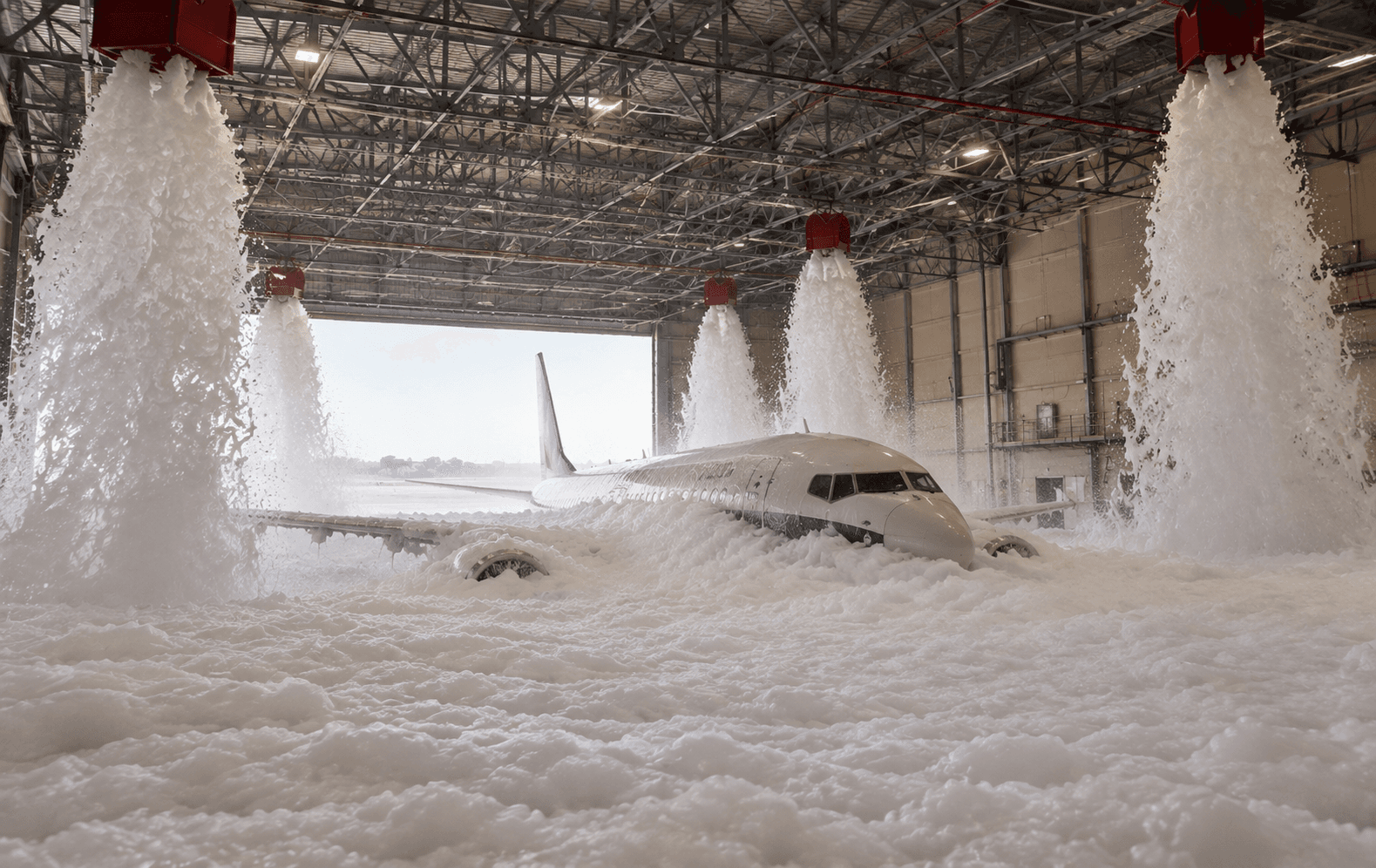
High expansion foam and overhead systems to NFPA 409.
At a glance
- Hazard family
- Buildings
- Protected by
- Foam, Sprinkler, Fire alarm
- Designed to
- NFPA 409, NFPA 16, NFPA 11
- Overhead foam-water deluge density
- 6.5 L/min/m²
Design basis
- Overhead foam-water deluge density
- 6.5 L/min/m²NFPA 409 / NFPA 16
- Protection required
- Set by the hangar group, which follows from the hangar’s size and constructionNFPA 409
Standards that apply
- NFPA 409Aircraft hangars.
- NFPA 16Foam-water sprinkler and foam-water spray systems.
- NFPA 11Low-, medium- and high-expansion foam.
The risk
The main hazard is fuel: a spill under an aircraft during maintenance or refuelling becomes a pool fire under the fuselage and wings, around one of the most valuable assets on any site.
The volume is the difficulty. Heat rising to a high roof may not operate ceiling systems quickly enough to protect the aircraft below.
The scheme
Blanket the floor and protect from above, to NFPA 409:
- Low-level foam — monitors or nozzles — to put foam under the wings and fuselage.
- Overhead foam-water deluge or sprinklers, depending on the hangar group.
- High expansion foam where the hangar group calls for it.
- Flame and heat detection to release the systems, and hydrants outside.

Systems that apply
 NFPA 11
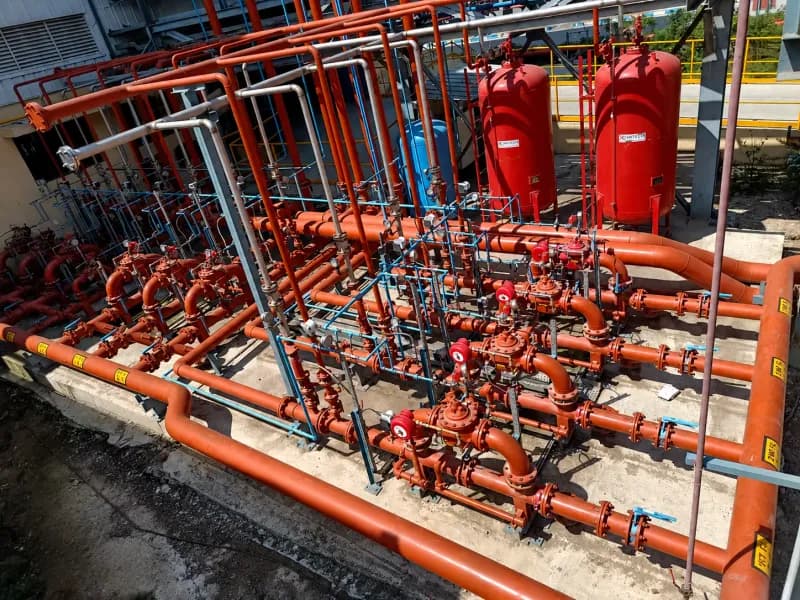
Foam Based Fire Fighting System
Bladder tanks, pourers and makers for tank farms, bund areas and loading gantries.
 NFPA 13
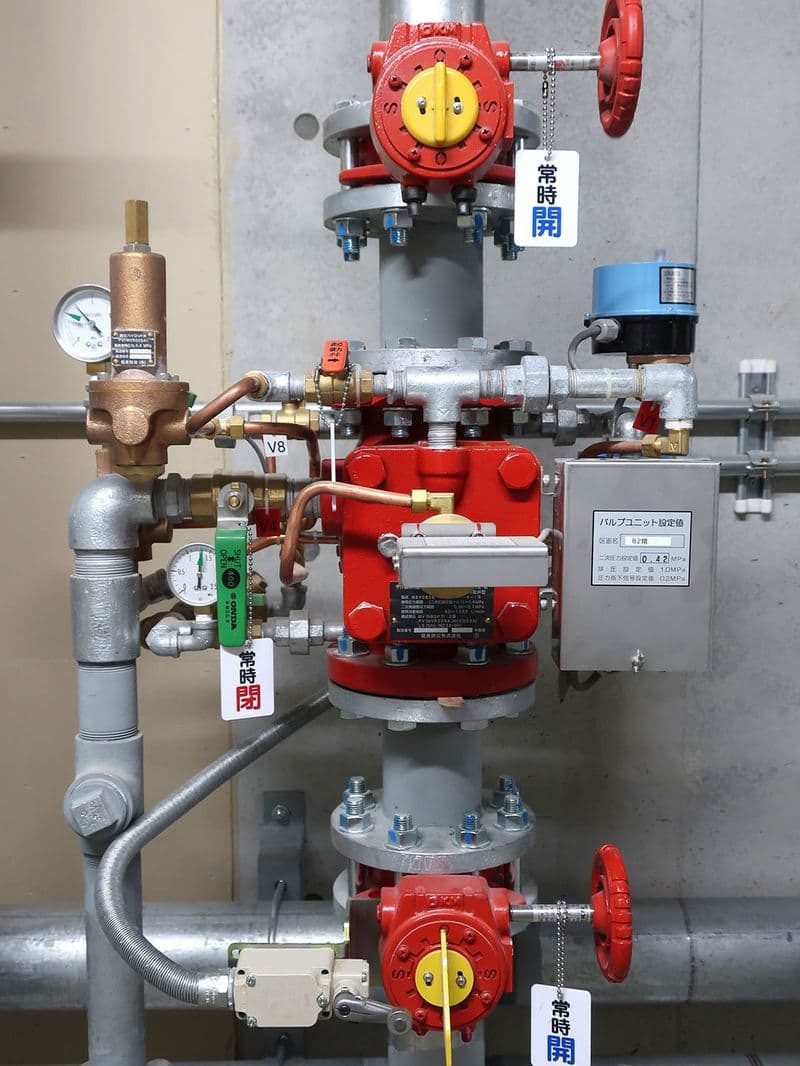
Sprinkler System
Wet, dry and pre-action systems for warehousing and buildings.
 NFPA 72
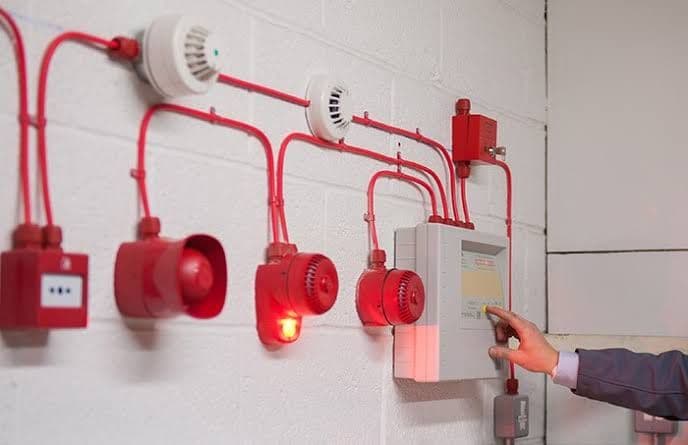
Fire Detection & Alarm System
Detection and alarm, supplied and integrated under the same contract as the suppression system.
Products used
Deluge Valves & Systems · 1
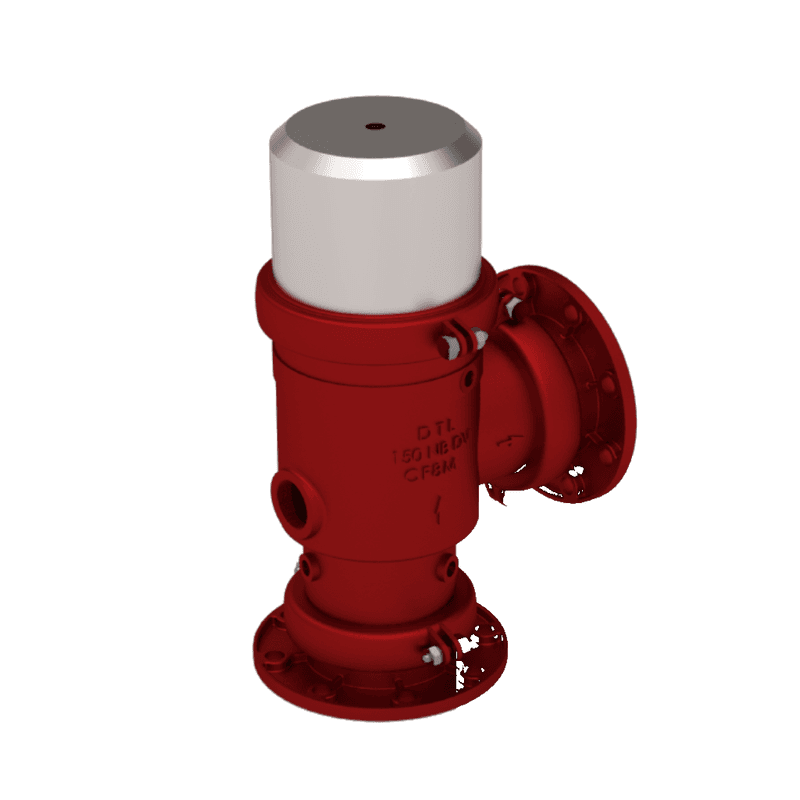

Deluge Valve Cast Carbon Steel (Model PD-CS)
Cast carbon steel, 80 to 200 mm, 250 psi
Foam Equipment · 11
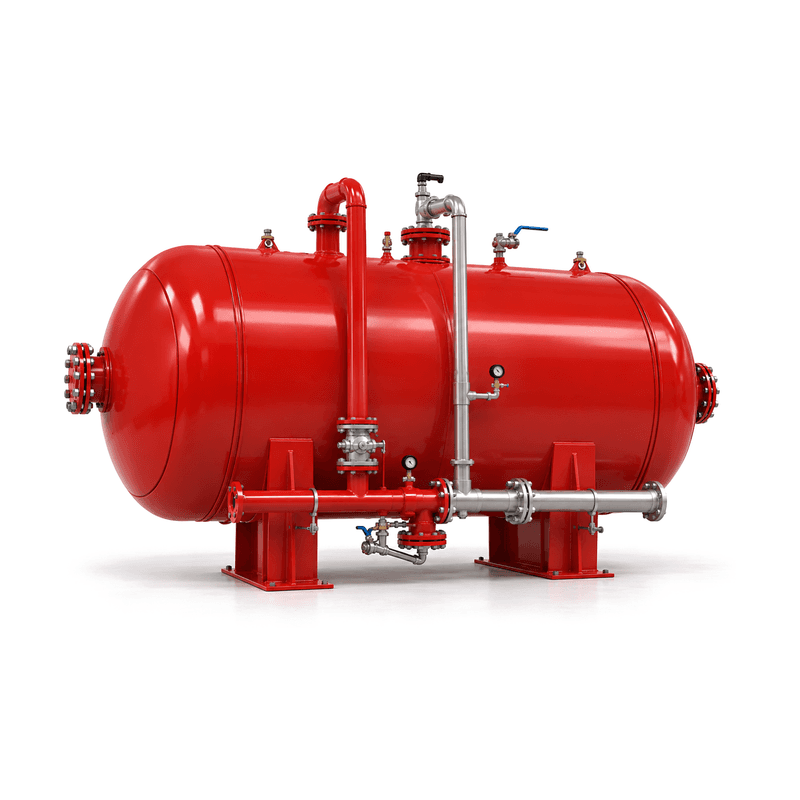
Foam Bladder Tank Horizontal with Ratio Controller
Horizontal, 1,000 to 15,000 litres

Foam Bladder Tank Vertical with Ratio Controller
Vertical, 200 to 7,500 litres
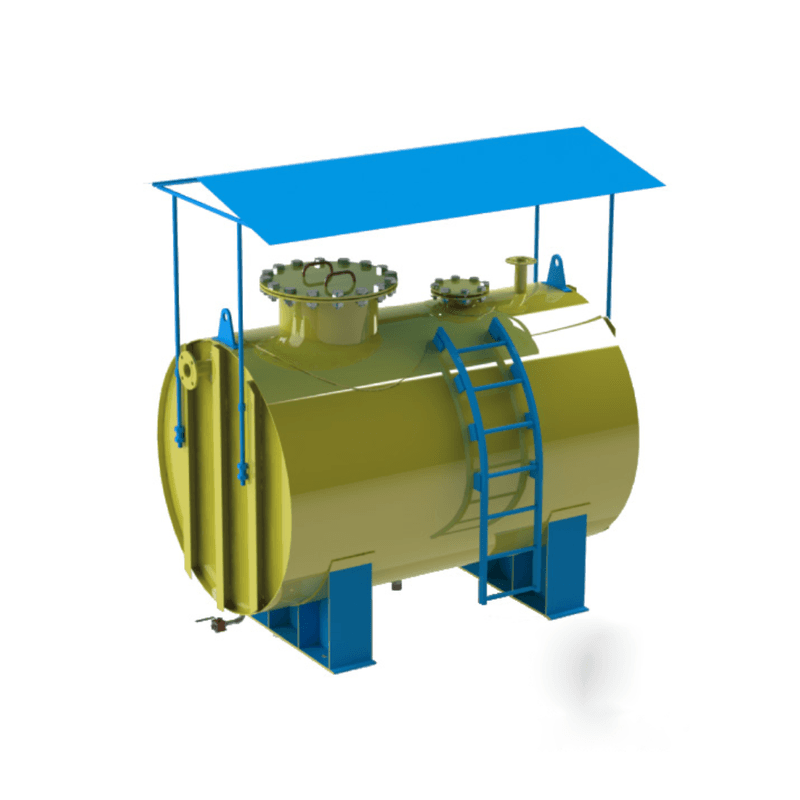
Foam Concentrate Tank
Atmospheric, horizontal, 200 to 10,000 litres
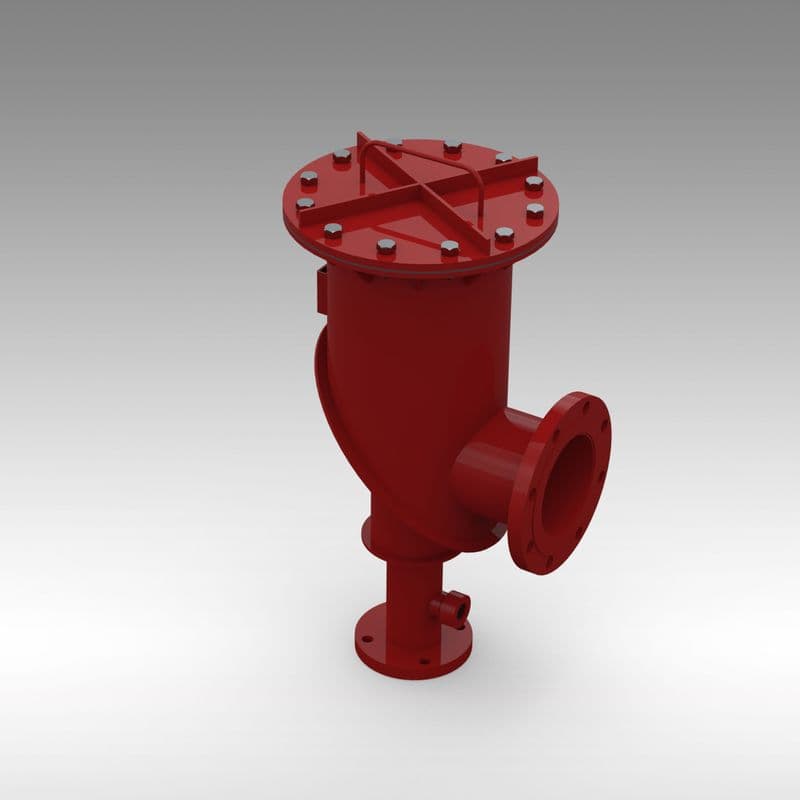
Foam Mixer (For fixed roof tank)
Fixed roof tanks, glass vapour seal, 50 to 150 NB
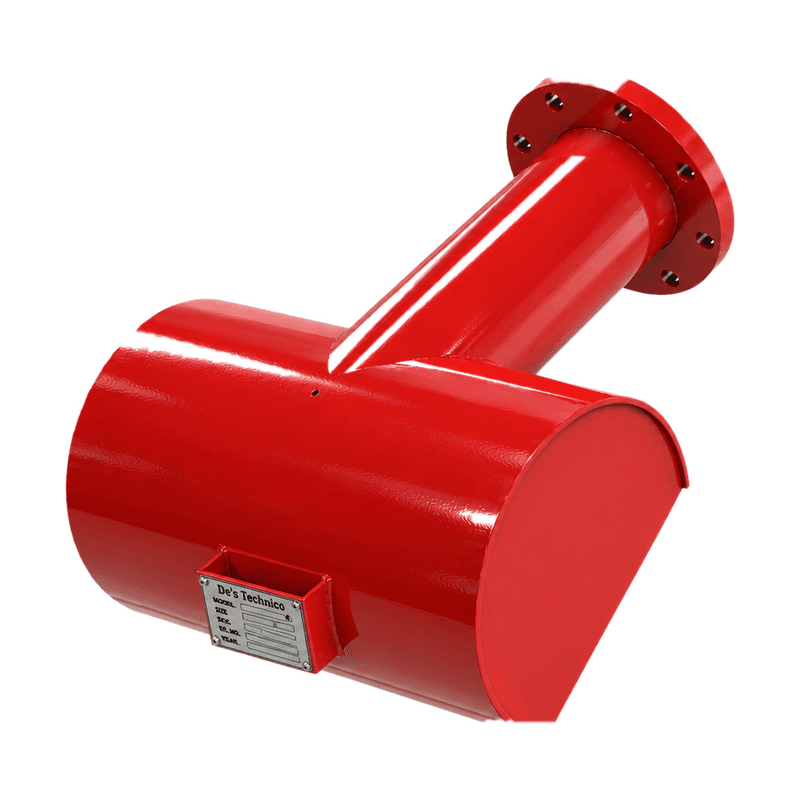
Foam Pourer Cone Roof Tank
For cone roof tanks, fixed orifice plate
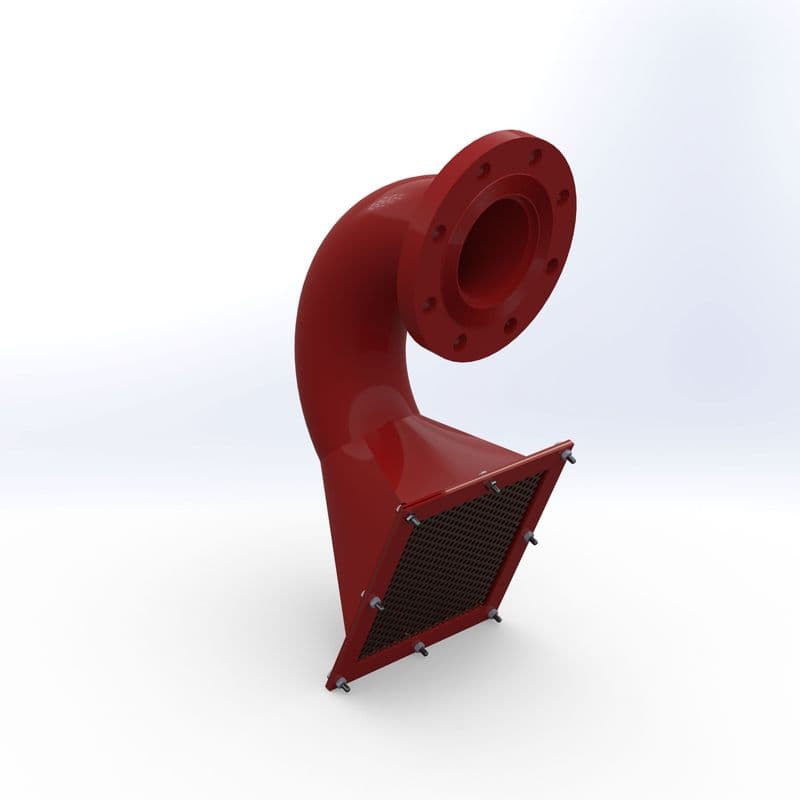
Foam Pourer Floating Roof Tank
For floating roof tanks, 50 to 80 NB inlet
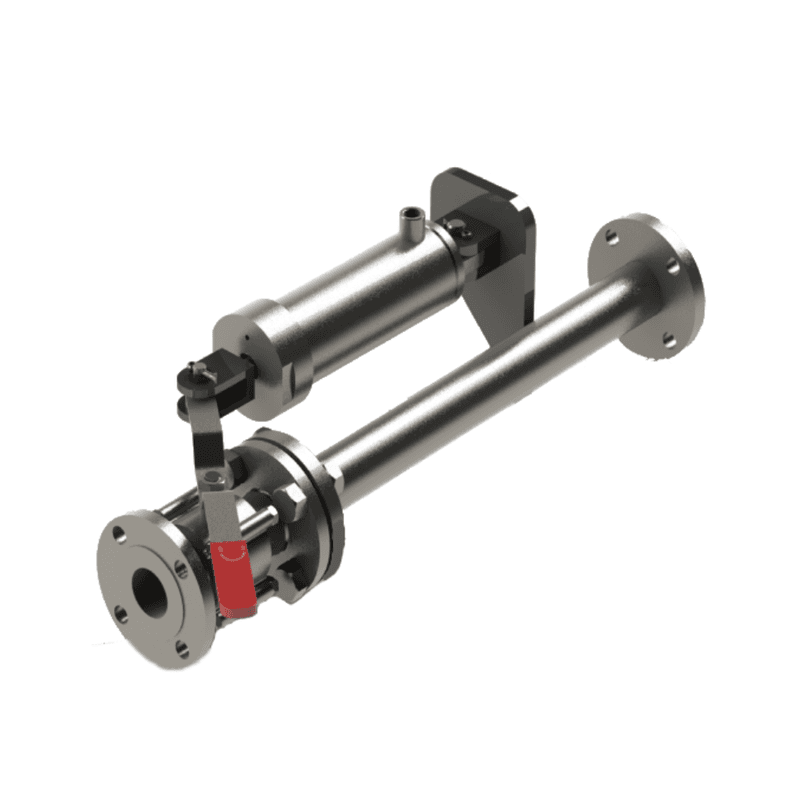
HOV (Hydraulically Operated Valve)
Auto open, manual close, 40 and 50 NB
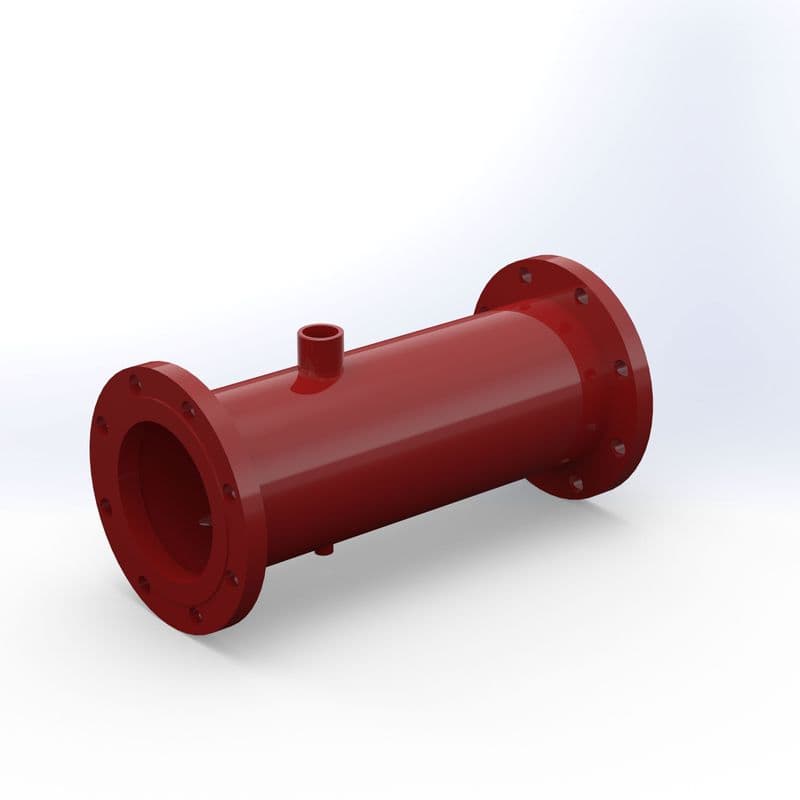
Foam Inductor
Inline, 3% or 6% induction, 50 to 200 NB
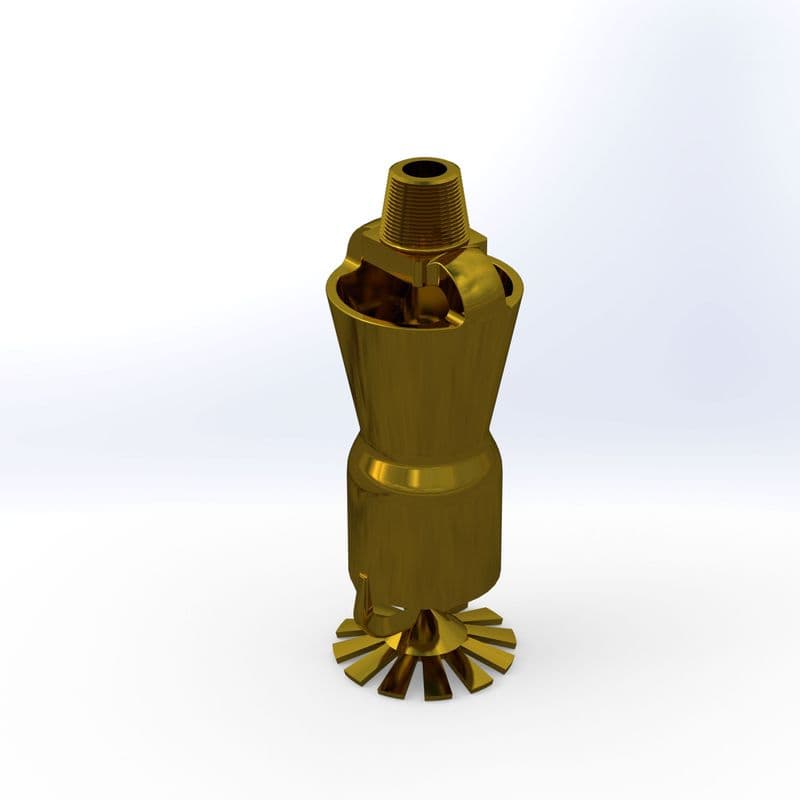
Foam Nozzle
Air-aspirating, upright and pendent, K-3.0
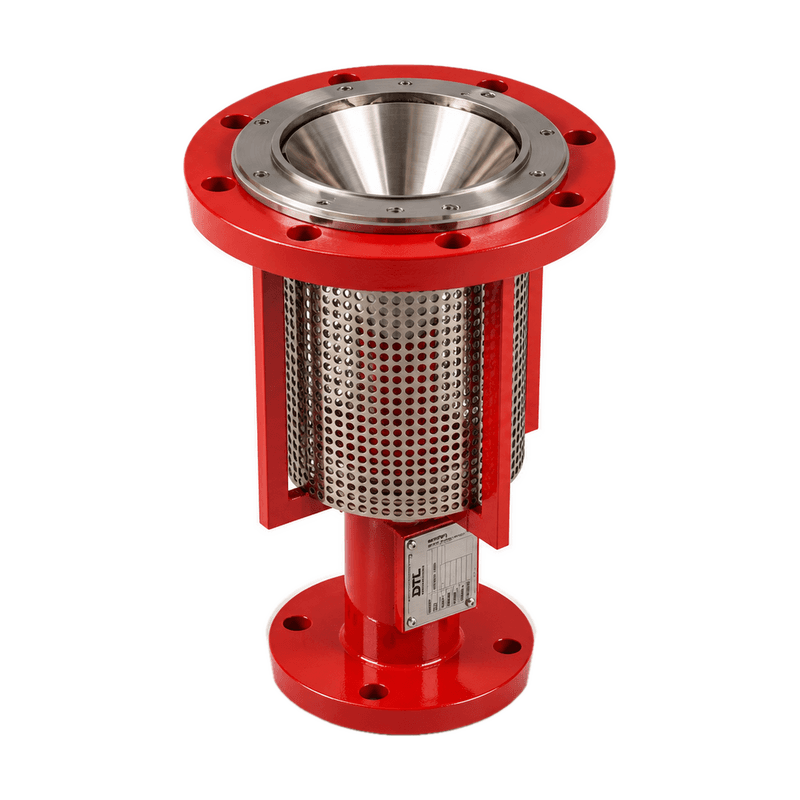
Foam Maker (For Floating Roof Tank)
For floating roof tanks, 50 to 80 NB inlet
Foam Pourer
Fixed roof tank application, with vapour seal
Spray Nozzles · 1
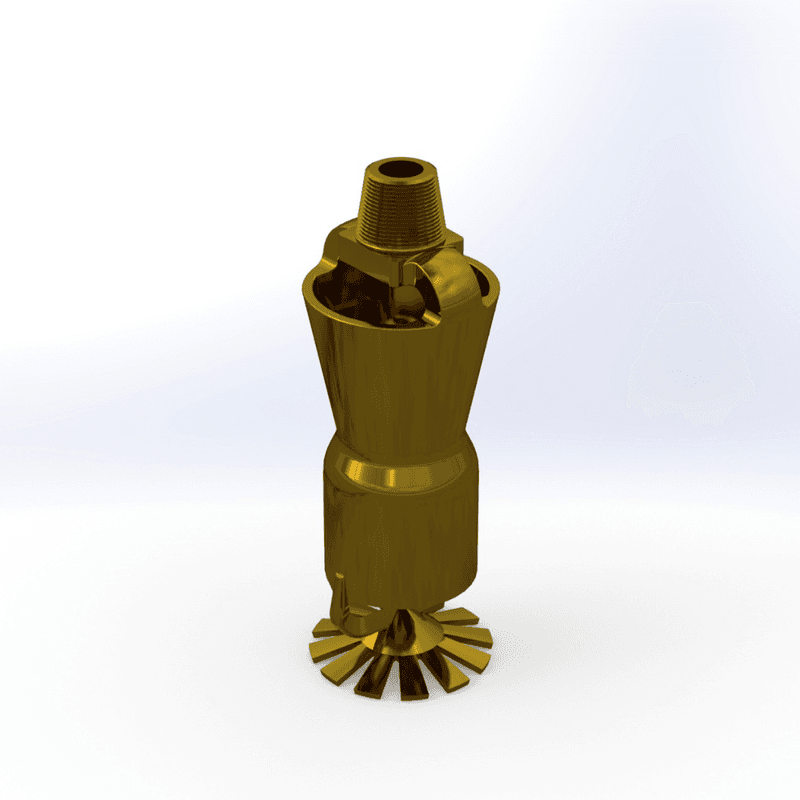 Tyco make
Sprinkler Foam-Water
Air-aspirating, upright and pendent, K-3.0
Questions we are asked
What protection does a hangar need?
NFPA 409 decides it by hangar group. Larger hangars need foam — overhead, low-level under the wings, or high expansion — as well as detection.
Why low-level foam?
A fuel spill fire burns under the wings and fuselage, where overhead systems cannot reach well. Low-level foam puts a blanket there.
Can high expansion foam be used?
Yes, in the hangar groups where NFPA 409 permits it: it fills the space around the aircraft quickly.
Related hazards

Projects on this hazard
 Tata Memorial Hospital
Fire detection and alarm system — Tata Memorial Hospital
Fire detection and alarm system for Tata Memorial Hospital at Jamshedpur (JUSCO). · Jamshedpur (JUSCO)
 Berger Paints
Foam system — Berger Paints
Foam based fire fighting system for Berger Paints at three sites. · Naltali, Pune, Sandila
 IOCL
IOCLFire detection and alarm system — IOCL
Fire detection and alarm system for IOCL at six sites. · Bongaigaon, Haldia, Barauni, DDPL Bangalore, Quilon, HBCPL
 IOCL
IOCLFoam system — IOCL
Foam based fire fighting system for IOCL at five sites. · Hasimara, Mourigram, Dharmanagar, Rajola, Rewari
 Airports Authority of India
Fire detection and alarm system — Airports Authority of India
Fire detection and alarm system for Airports Authority of India at Kolkata. · Kolkata
 Airports Authority of India
Foam system — Airports Authority of India
Foam based fire fighting system for Airports Authority of India at Kolkata. · Kolkata
 GAIL
GAILFire detection and alarm system — GAIL
Fire detection and alarm system for GAIL at two sites. · Vijaipur, Gandhar
 BPCL
BPCLFoam system — BPCL
Foam based fire fighting system for BPCL at three sites. · Haldia, Malda, New Jalpaiguri
Considering us for a turnkey scope?
Send the hazard, the code and the site. Our engineers reply with a scheme and a price.