
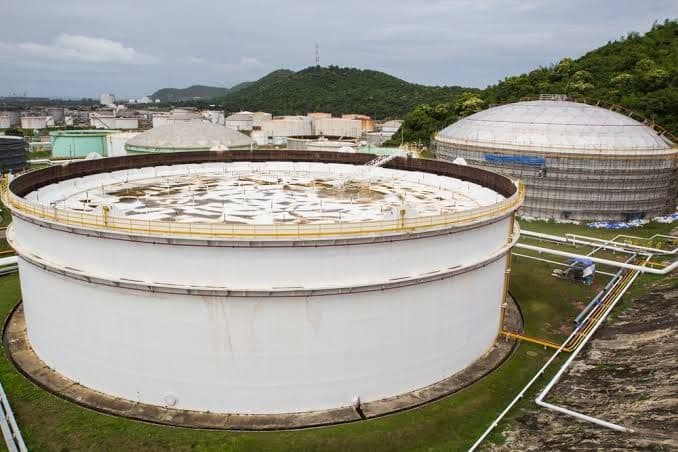
Floating Roof Tanks
Rimseal fire and full-surface fire need different answers. Detection at the seal, foam at the roof.
At a glance
- Hazard family
- Storage tanks
- Protected by
- Rim seal, Foam, Hydrant
- Designed to
- NFPA 11, OISD‑STD‑116, OISD‑STD‑117
- Rim seal foam, top-of-seal with foam dam
- 12.2 L/min/m² of annular seal area
Design basis
- Rim seal foam, top-of-seal with foam dam
- 12.2 L/min/m² of annular seal areaNFPA 11 — floating-roof tanks
- Rim seal discharge time
- 20 minutesNFPA 11 — floating-roof tanks
- Foam dam height
- At least 0.3 mNFPA 11 — floating-roof tanks
- Discharge outlet spacing
- 12.2 m with a 0.3 m dam; 24.4 m with a 0.6 m damNFPA 11 — floating-roof tanks
Standards that apply
- NFPA 11Low-, medium- and high-expansion foam.
- OISD-STD-116Fire protection for refineries and oil and gas processing plants.
- OISD-STD-117Fire protection for petroleum depots and terminals.
The risk
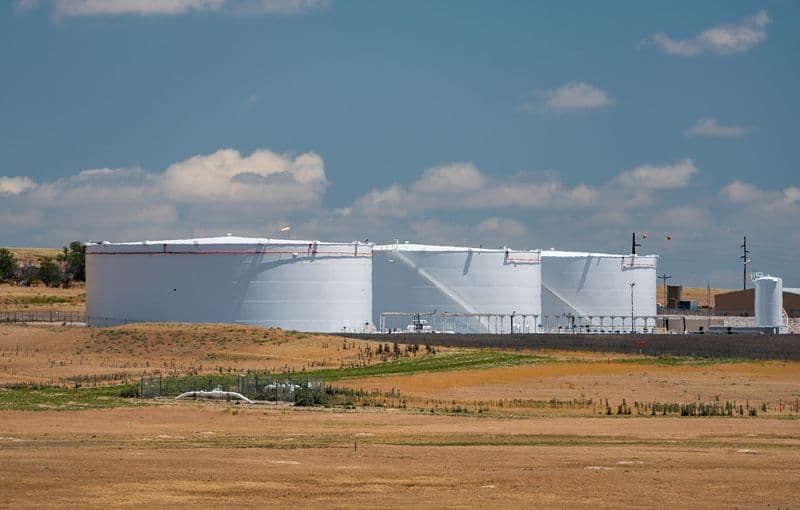
A floating roof rides on the liquid, so there is almost no vapour space and a full-surface fire is rare. The weak point is the rim seal — the gap between the roof and the shell, where vapour escapes. Most floating-roof fires start there, and lightning is the classic ignition source.
Caught early, a rim seal fire stays small. Left to burn, it damages the seal and can sink or tilt the roof, and then it is a full-surface fire — with crude oil, one that can end in boilover. The radiant heat puts neighbouring tanks at risk too.
The scheme
Fight the fire where it starts, and hold the rest in reserve:
- Detect at the seal: linear heat detection cable in the rim space.
- Suppress at the seal: a rim seal system that discharges foam through pourers behind a foam dam, automatically.
- Be ready for a full-surface fire: foam makers on the shell or monitors, fed from the foam system.
- Cool the shell of the tank on fire and its neighbours with water spray.
- Back everything with the hydrant ring main and monitors.

Systems that apply
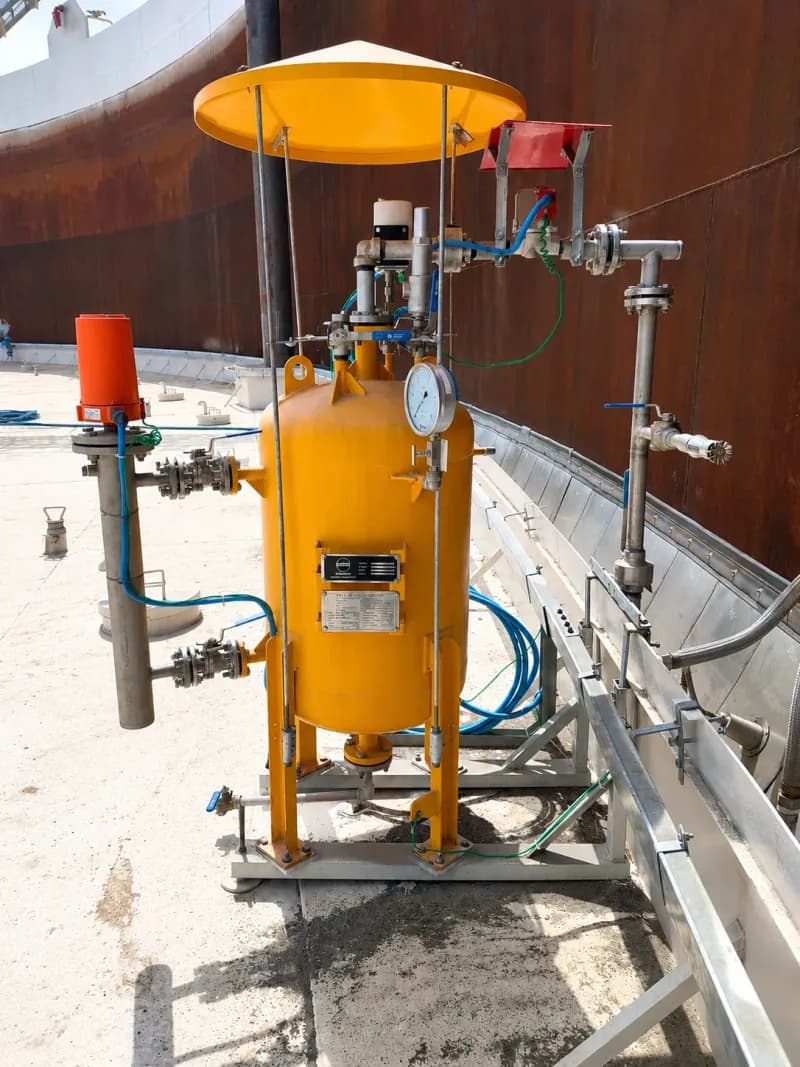 API 2021
Rimseal Fire Protection System
Detection and foam discharge at the seal of a floating roof tank.
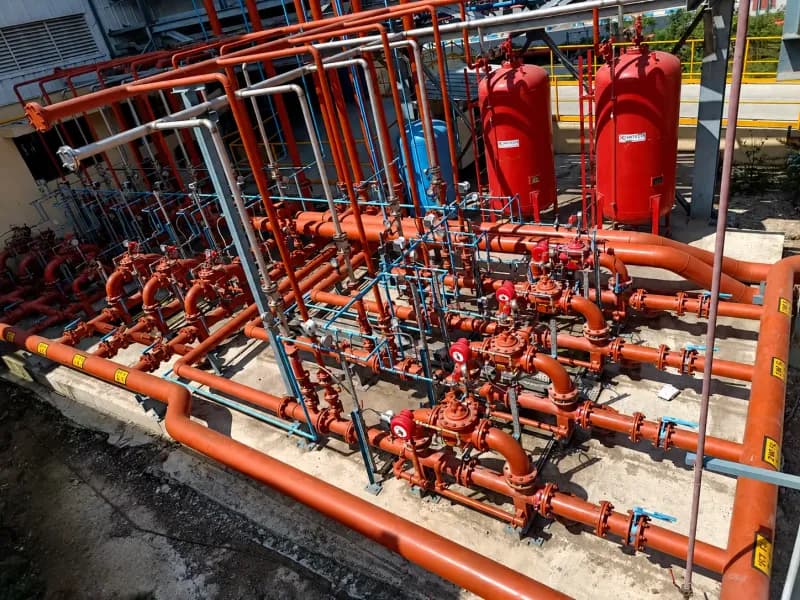 NFPA 11
Foam Based Fire Fighting System
Bladder tanks, pourers and makers for tank farms, bund areas and loading gantries.
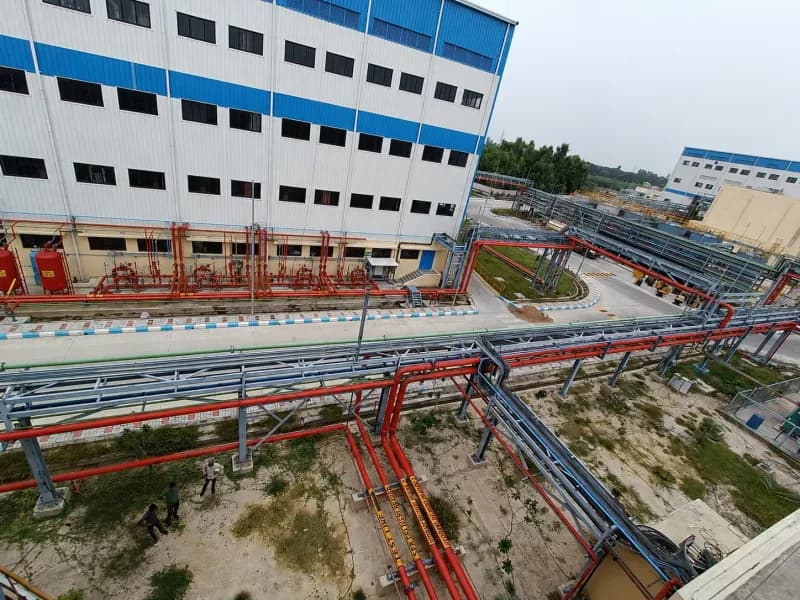 NFPA 24
Fire Hydrant System
Plant-wide ring main, hydrants, monitors and hose boxes, sized to the site.
Products used
Foam Equipment · 10
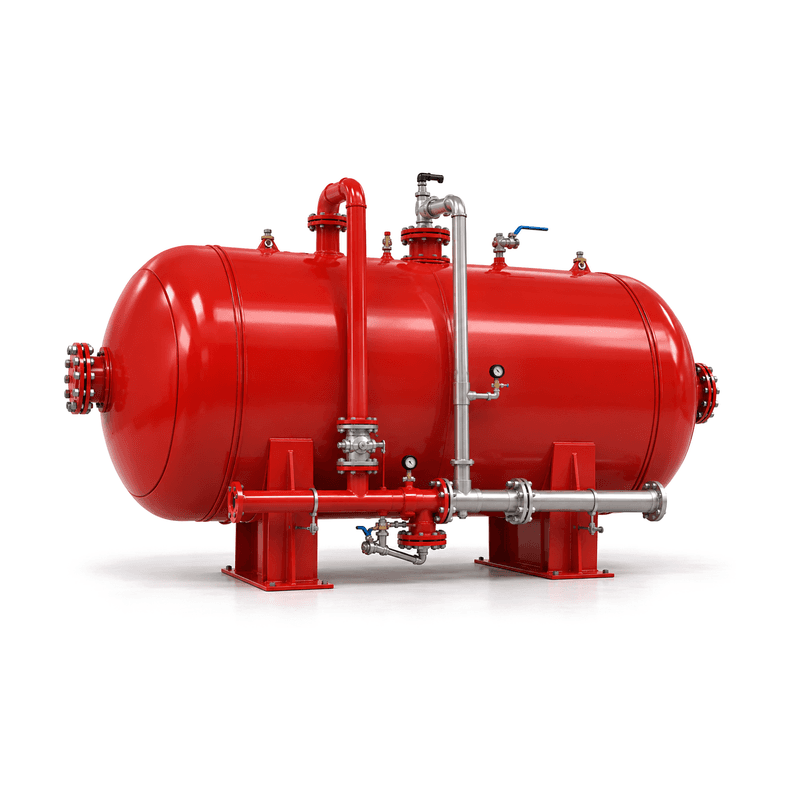

Foam Bladder Tank Horizontal with Ratio Controller
Horizontal, 1,000 to 15,000 litres

Foam Bladder Tank Vertical with Ratio Controller
Vertical, 200 to 7,500 litres
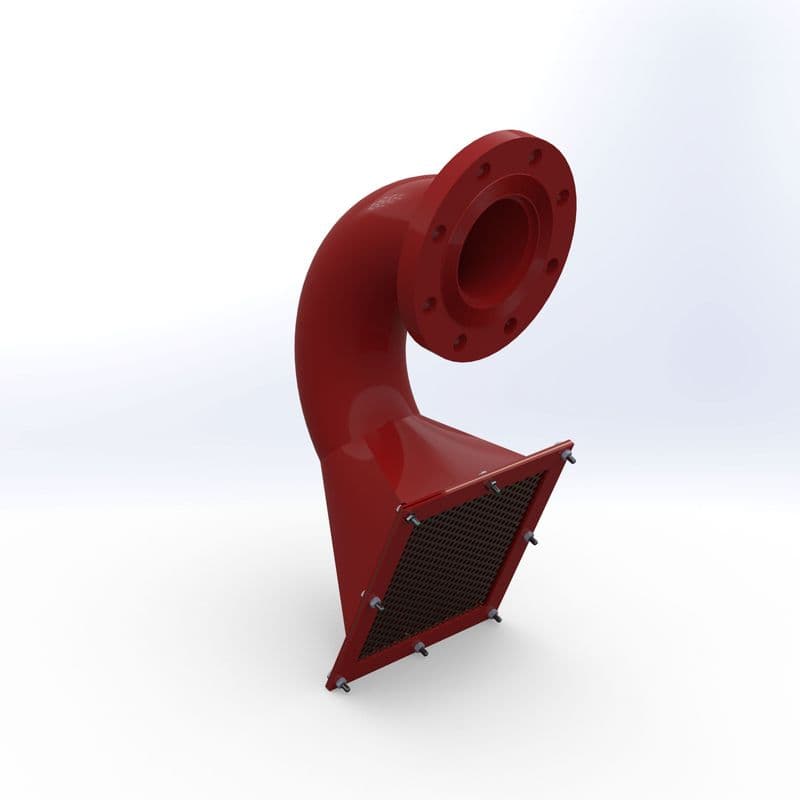
Foam Pourer Floating Roof Tank
For floating roof tanks, 50 to 80 NB inlet
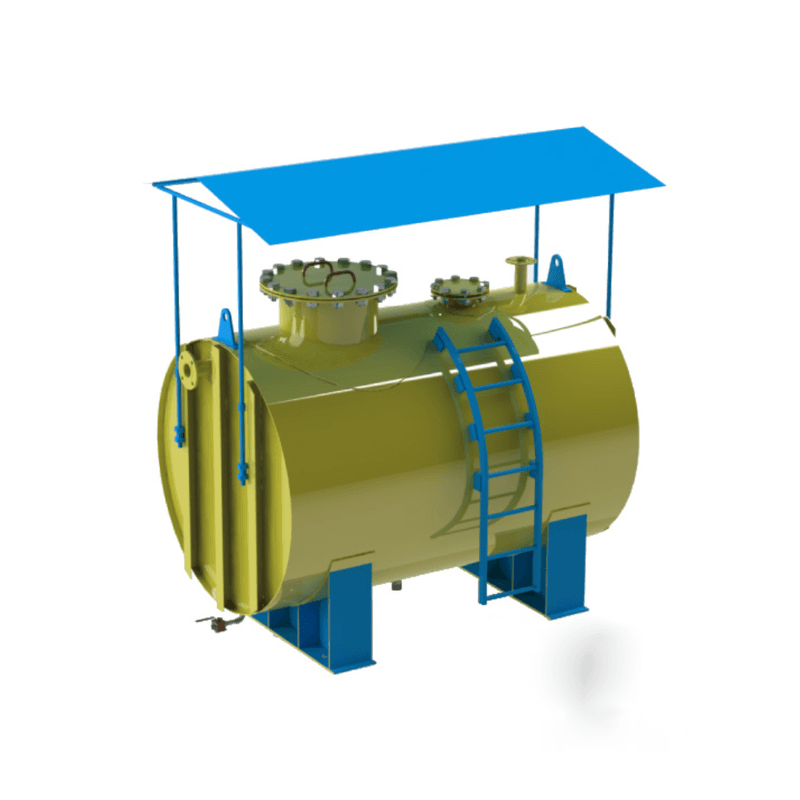
Foam Concentrate Tank
Atmospheric, horizontal, 200 to 10,000 litres
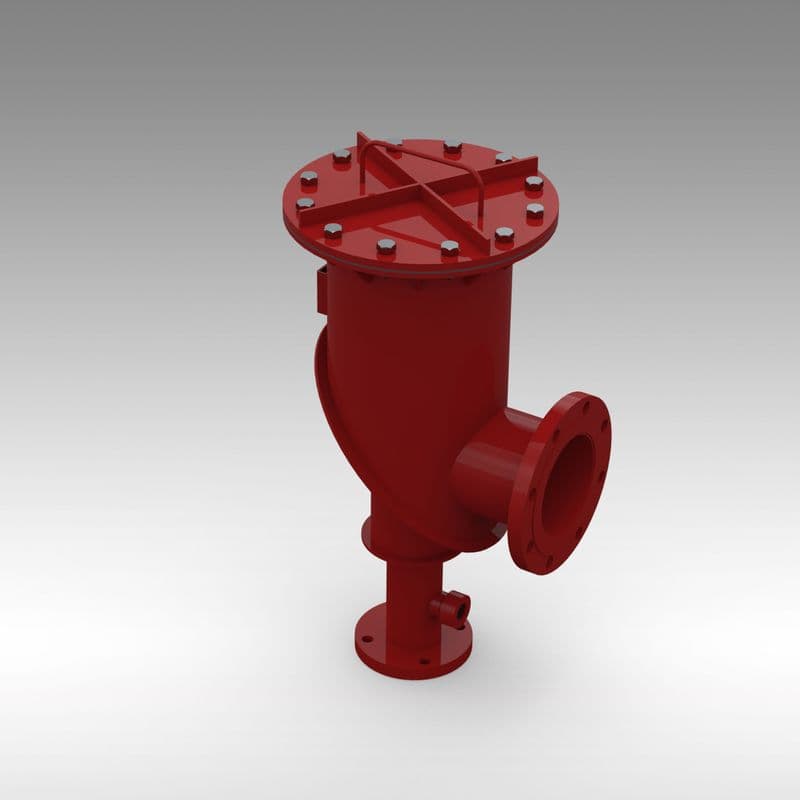
Foam Mixer (For fixed roof tank)
Fixed roof tanks, glass vapour seal, 50 to 150 NB
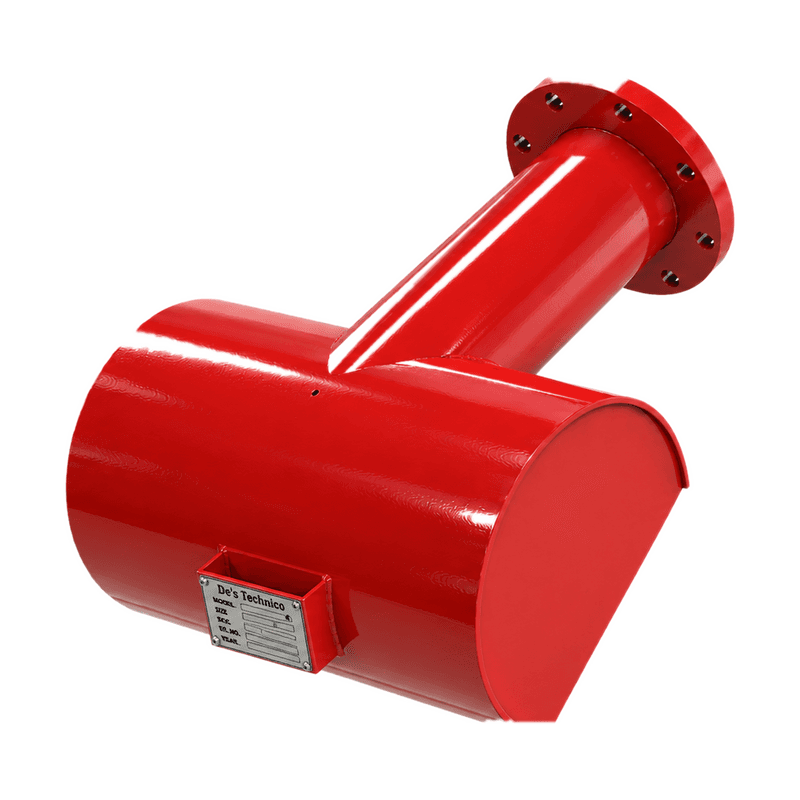
Foam Pourer Cone Roof Tank
For cone roof tanks, fixed orifice plate
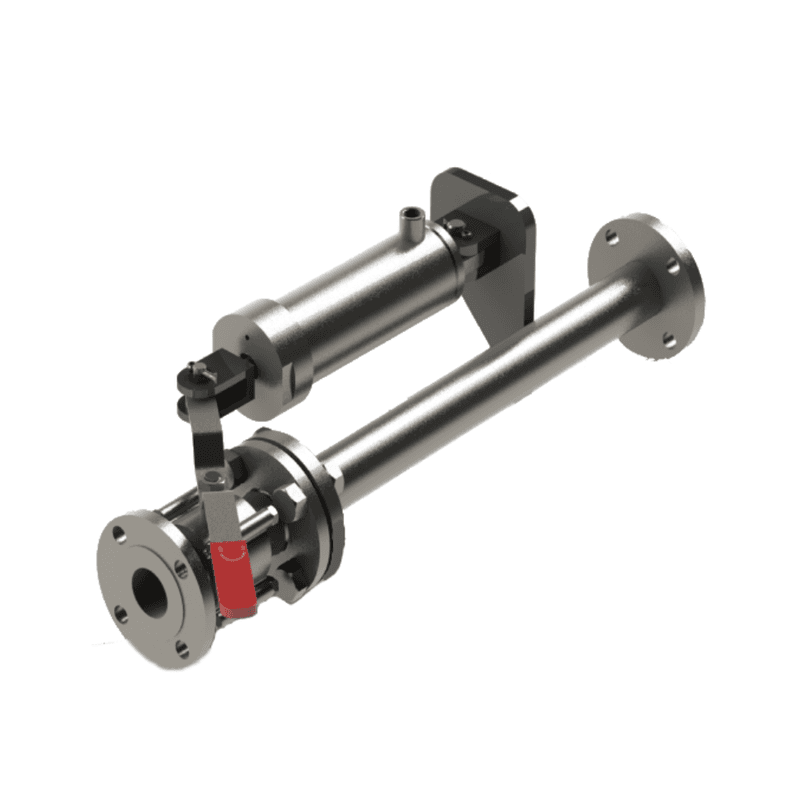
HOV (Hydraulically Operated Valve)
Auto open, manual close, 40 and 50 NB
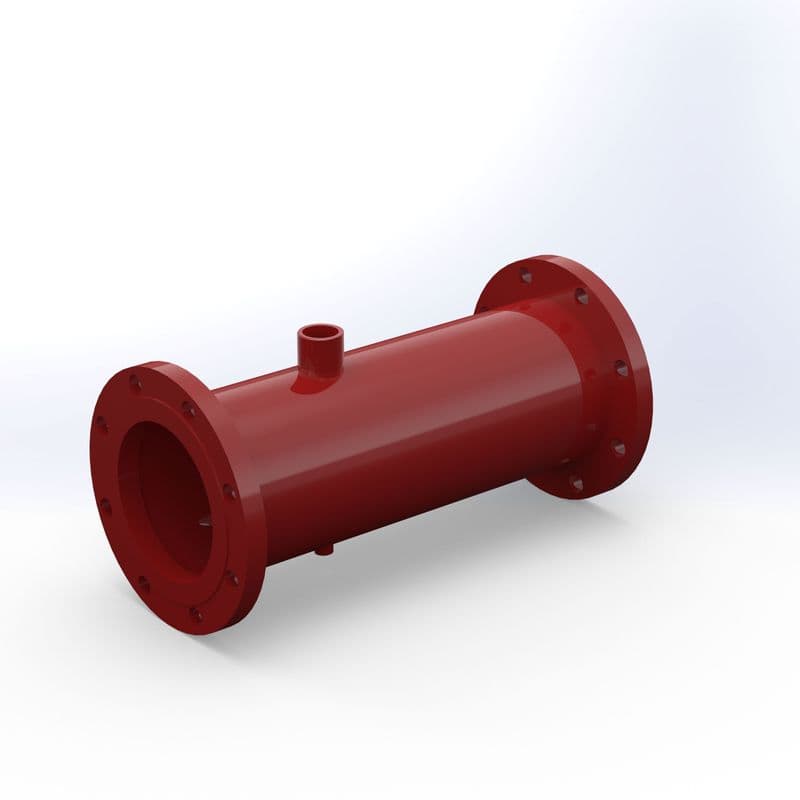
Foam Inductor
Inline, 3% or 6% induction, 50 to 200 NB
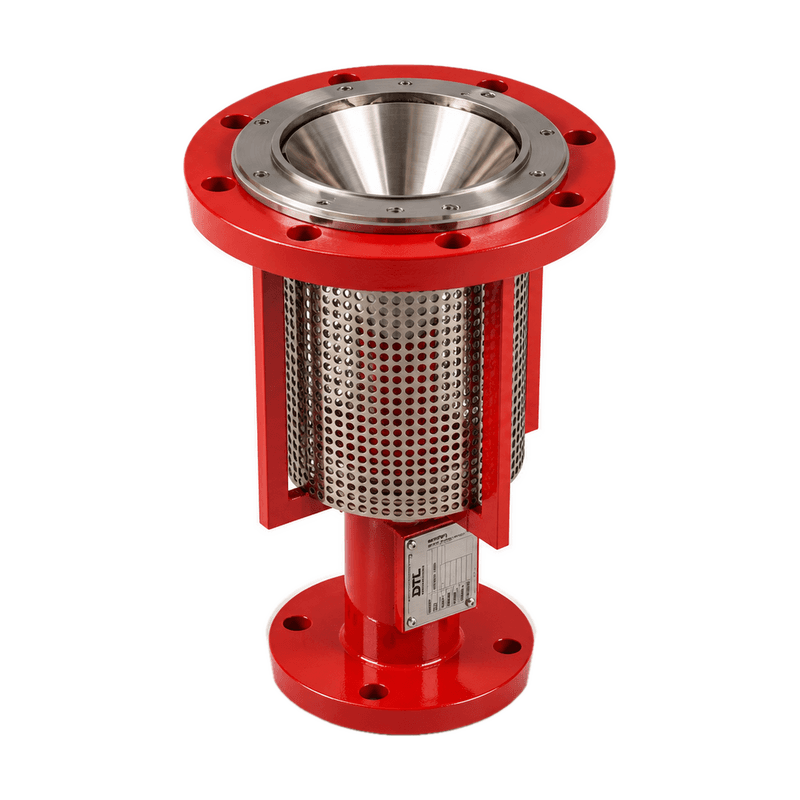
Foam Maker (For Floating Roof Tank)
For floating roof tanks, 50 to 80 NB inlet
Foam Pourer
Fixed roof tank application, with vapour seal
Spray Nozzles · 1
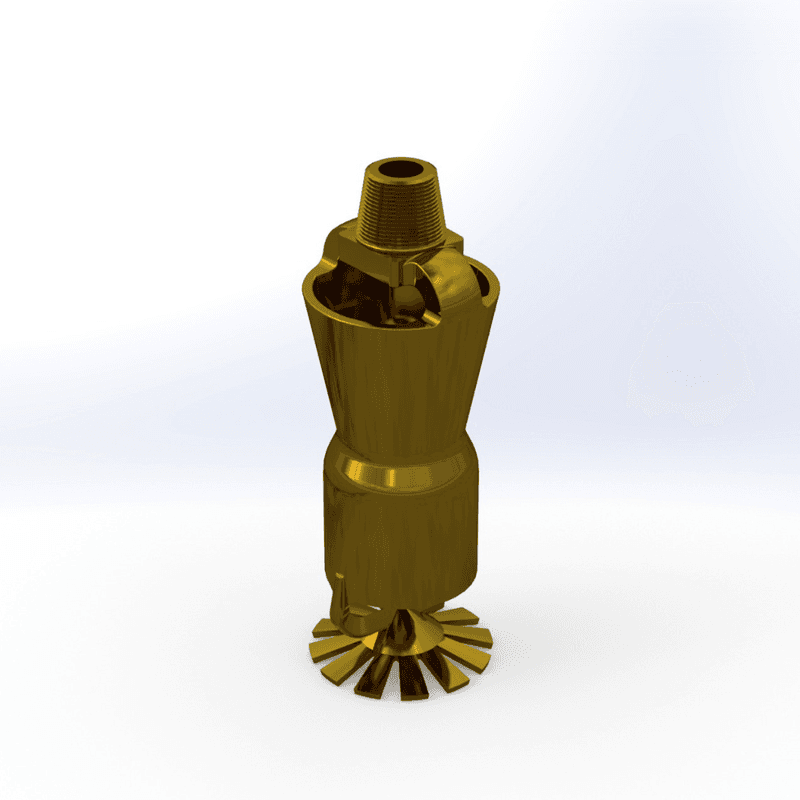 Tyco make

Sprinkler Foam-Water
Air-aspirating, upright and pendent, K-3.0
Questions we are asked
Where do floating-roof tank fires start?
Mostly at the rim seal, where vapour escapes between the roof and the shell. Lightning is the most common ignition source.
Is a rim seal system enough on its own?
It deals with the fire that is most likely. A full-surface fire needs foam makers or monitors and cooling as well, which is why tank farms carry both.
What is boilover?
In a long-burning crude oil fire, a heat wave travels down through the oil and reaches water at the bottom of the tank, which turns to steam and throws burning oil out of the tank. Early suppression is what prevents it.
Related hazards
Projects on this hazard
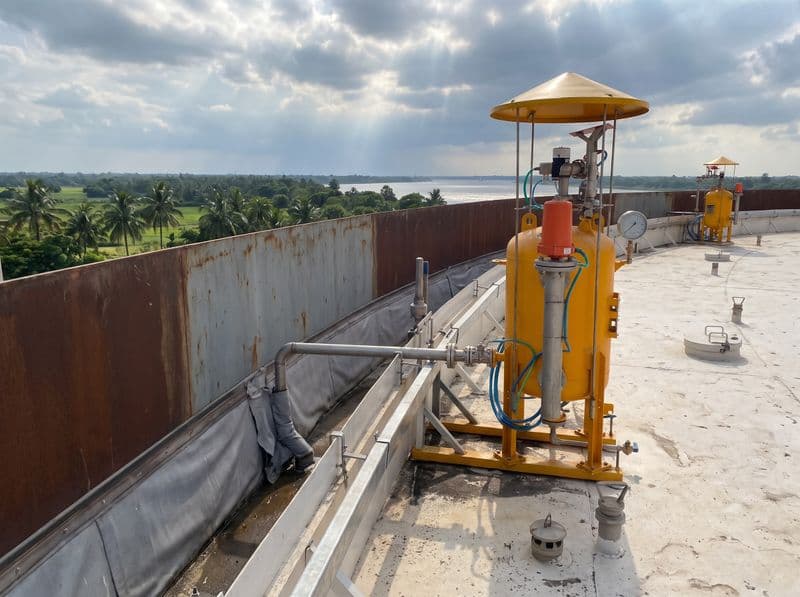 Bridge & Roof
Automatic rim seal fire protection system — Bridge & Roof
Automatic rim seal fire protection system for floating roof tanks for Bridge & Roof at 14 sites. · IOCL Haldia, Paradip, Cochin, Mangalore, Narimannam, Tuticorin, Mourigram, Rajbandh, Siliguri, Barauni, Madurai, Devanganthi, Visakhapatnam, Korukkupet
 IOCL
Hydrant system — IOCL
Fire hydrant system for IOCL at six sites. · Coimbatore, Quilon, Hasimara, Dharmanagar, Kalyani, Goindwal
 IOCL
Automatic rim seal fire protection system — IOCL
Automatic rim seal fire protection system for floating roof tanks for IOCL at three sites. · Barauni, AOD, Paradip
 BHEL
Hydrant system — BHEL
Fire hydrant system for BHEL at Haldia. · Haldia
 HPL
Automatic rim seal fire protection system — HPL
Automatic rim seal fire protection system for floating roof tanks for HPL at Haldia. · Haldia
 Airports Authority of India
Foam system — Airports Authority of India
Foam based fire fighting system for Airports Authority of India at Kolkata. · Kolkata
 Bridge & Roof
Automatic rim seal fire protection system — Bridge & Roof
Automatic rim seal fire protection system for floating roof tanks for Bridge & Roof at six sites. · BPCL Bina, Manmad, Irimpanam, Manglya, Piyala, Kandla
 GAIL
Hydrant system — GAIL
Fire hydrant system for GAIL at Vijaipur. · Vijaipur
 IOTL
Foam system — IOTL
Foam based fire fighting system for IOTL at Vadinar. · Vadinar
 Airports Authority of India
Hydrant system — Airports Authority of India
Fire hydrant system for Airports Authority of India at Kolkata. · Kolkata
 Reliance
Automatic rim seal fire protection system — Reliance
Automatic rim seal fire protection system for floating roof tanks for Reliance at four sites. · Patalganga, Gadimoga, JNPT, Vadodara
 Bridge & Roof
Foam system — Bridge & Roof
Foam based fire fighting system for Bridge & Roof at two sites. · IOCL Trichy and Sankari depot, CPCL
 BPCL
Automatic rim seal fire protection system — BPCL
Automatic rim seal fire protection system for floating roof tanks for BPCL at Krishnapatnam. · Krishnapatnam
 IOCL
Foam system — IOCL
Foam based fire fighting system for IOCL at five sites. · Hasimara, Mourigram, Dharmanagar, Rajola, Rewari
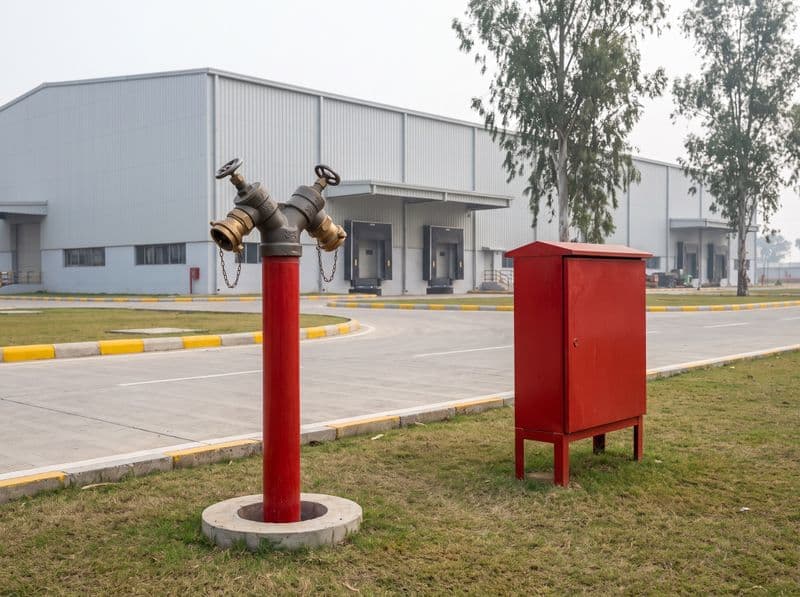 Berger Paints
Hydrant system — Berger Paints
Fire hydrant system for Berger Paints at three sites. · Sandila, Anand, Naltali
 Berger Paints
Foam system — Berger Paints
Foam based fire fighting system for Berger Paints at three sites. · Naltali, Pune, Sandila
 TISCO
Hydrant system — TISCO
Fire hydrant system for TISCO at Noamundi. · Noamundi
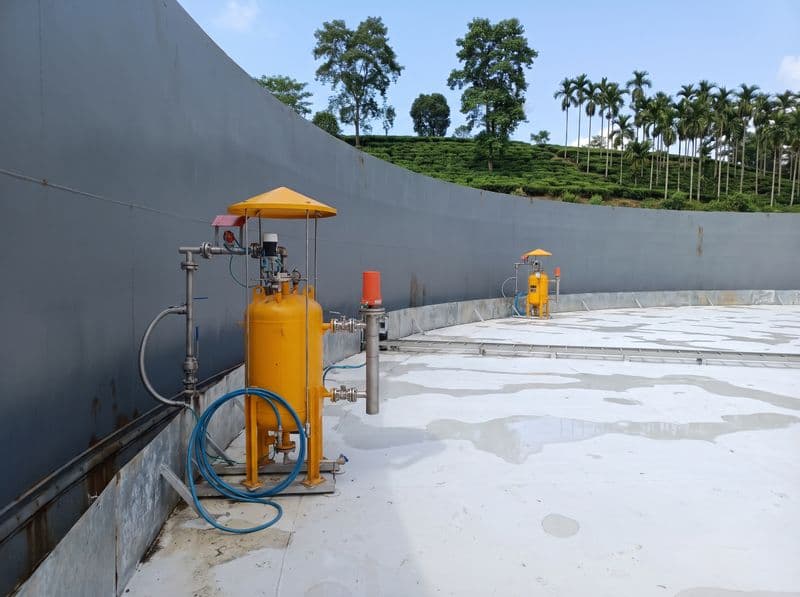 Oil India
Automatic rim seal fire protection system — Oil India
Automatic rim seal fire protection system for floating roof tanks for Oil India at Duliajan. · Duliajan
 Oil India
Hydrant system — Oil India
Fire hydrant system for Oil India at Duliajan. · Duliajan
 HPCL
Automatic rim seal fire protection system — HPCL
Automatic rim seal fire protection system for floating roof tanks for HPCL at two sites. · Visakhapatnam, Barauni
 BPCL
Foam system — BPCL
Foam based fire fighting system for BPCL at three sites. · Haldia, Malda, New Jalpaiguri
Considering us for a turnkey scope?
Send the hazard, the code and the site. Our engineers reply with a scheme and a price.