
Fire Protection System Designing
Hazard assessment, design basis, hydraulic calculation and drawings for approval — a scheme a consultant, insurer or authority can check, designed to the code that governs it.
At a glance
- Governing standard
- Hydraulic design
- Designed to
- NFPA, OISD, NBC 2016 Part 4
How it works

Design begins with the hazard rather than the catalogue: what is stored or processed, how much of it, how it behaves when it burns, and what is close enough to be involved if it does.
From there the scheme follows — the system type appropriate to the hazard, the design density or concentration required by the governing code, the hydraulic calculations that prove the demand can be met at the furthest device, and the drawings a consultant can check. What is delivered is a design that can be defended line by line against the standard it is drawn to.
What the design package contains
- A design basis report: the hazards, the system chosen for each, and the code and figures it is designed to.
- Hydraulic calculations proving flow and pressure at the most remote device.
- Layouts, isometrics, specifications and bills of quantity.
- The cause-and-effect matrix linking detection to every action it triggers.
When a design needs revisiting
A design is only right for the hazard it was drawn for. A change of product stored, a higher stack, a new unit or a change of occupancy can put a working system outside its design basis — which is when it should be checked again.
| Stage | Output |
|---|---|
| Concept | Hazard assessment and a design basis report: the system for each hazard and the code it follows |
| Detailed design | Hydraulic calculations, layouts, isometrics, specifications and bills of quantity |
| Approval | Submission to the consultant, insurer or authority, revised against their comments |
| Construction | Technical support on site, and drawings revised to as-built |
Scope we take
- 1
Hazard assessment
Site survey of what is stored or processed, in what quantity, how it is laid out and what else is exposed to it.
- 2
Design basis
The system type for each hazard, the governing code, and the densities, application rates and durations it requires.
- 3
Hydraulic calculation
Flow and pressure proved at the most remote device, and pipes, pumps and storage sized to meet the demand.
- 4
Drawings and documents
Layouts, isometrics, specifications and bills of quantity for approval.
- 5
Approval
Submission to the consultant, insurer or authority, and revision against their comments.
- 6
Support through the build
Technical queries answered during installation, and drawings revised to as-built.
Standards
- NFPAThe code applicable to the system being designed.
- OISDWhere the installation is in the Indian oil and gas sector.
- NBC 2016 Part 4Fire and life safety in buildings.
Images · 2
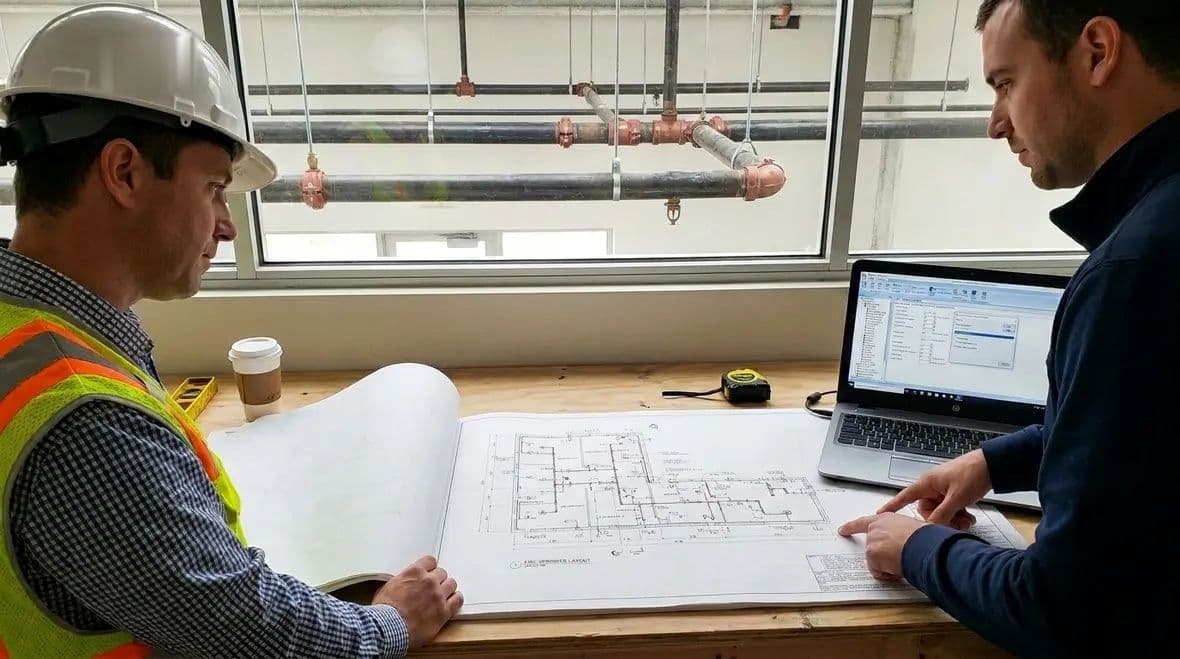
Fire sprinkler layout drawing under review with hydraulic calculation software
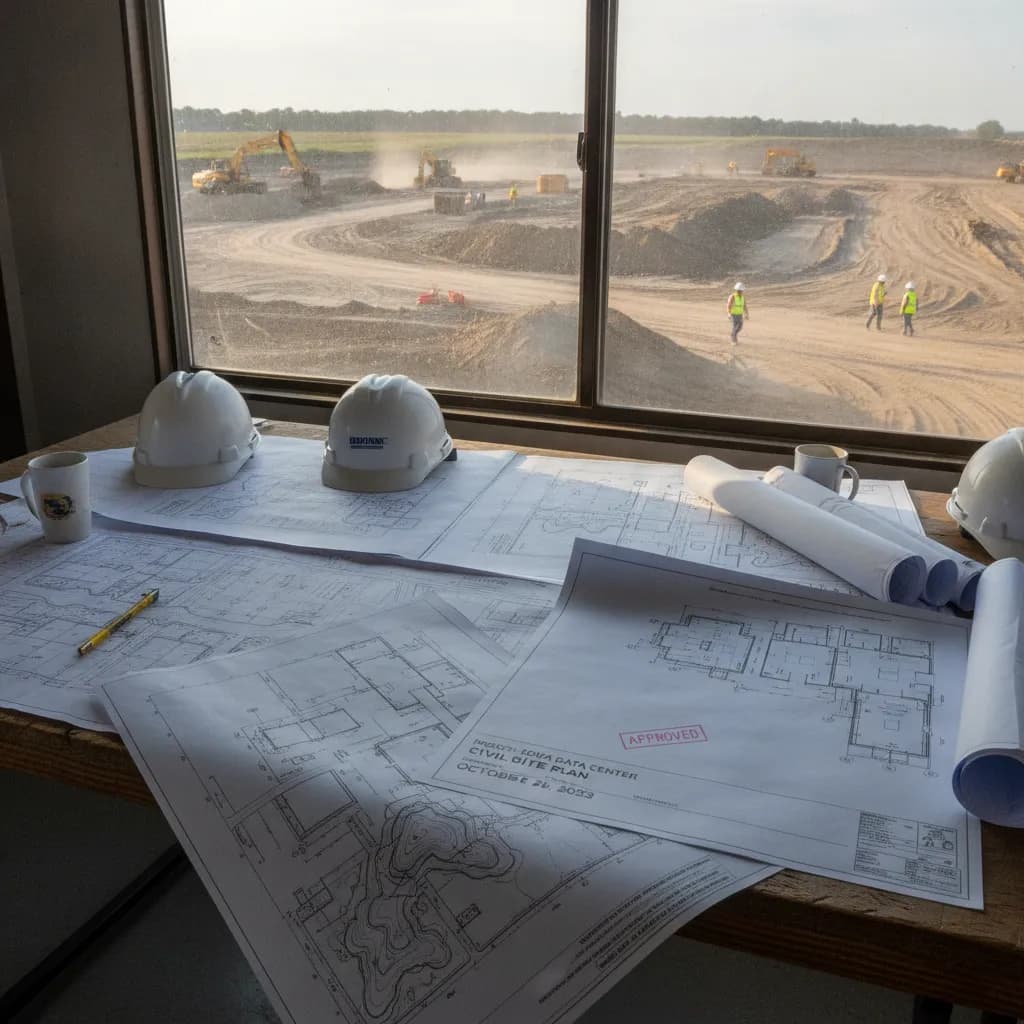
Approved drawings on a site office table


Why De’s Technico
Designed by the people who build it
The design team sits with the manufacturing and execution teams, so what is drawn is what can be supplied and installed.
NFPA, OISD and TAC
Schemes designed to NFPA codes, OISD standards and TAC requirements, as the installation calls for.
One contract, design to handover
A lump-sum turnkey scope on single-window responsibility: design, engineering, supply, installation and commissioning answer to one schedule.
In fire protection since 1988
More than 35 years of designing and executing fire detection and protection systems for high-hazard industry.
Questions we are asked
Which code do you design to?
The one that governs the installation: NFPA codes as the general basis, OISD standards for the Indian oil and gas sector, and national building and insurer requirements where they apply. The design basis report states which code applies to each hazard.
What do you need from us to start a design?
A plot plan or layout, what is stored or processed and in what quantity, the size of tanks and equipment, and any consultant or insurer specification. A site visit fills the gaps.
Can you design a system someone else will install?
Yes. A design package — calculations, drawings, specifications and bills of quantity — can be delivered on its own, with support during construction.
Do you check existing systems?
Yes. A change of product, a higher stack or a new unit can take a working system outside its design basis; a design review checks it against the hazard as it stands today.
What is a hydraulic calculation for?
It proves the water supply can deliver the flow and pressure the code requires at the most remote device, and sizes the pipes and pumps to do it.
Considering us for a turnkey scope?
Send the hazard, the code and the site. Our engineers reply with a scheme and a price.